






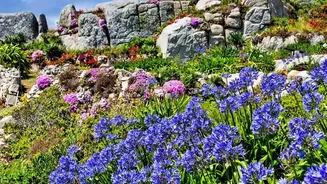
A Surprise Sea of Blue
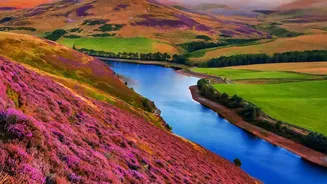
While many travellers have the year 2030 marked in their calendars for the next great Neelakurinji bloom, nature has offered a delightful surprise. A specific population of the Strobilanthes kunthiana shrub, located in the Chokramudi and Korandakadu hills
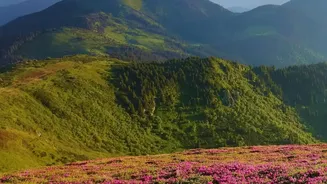
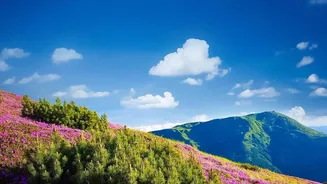
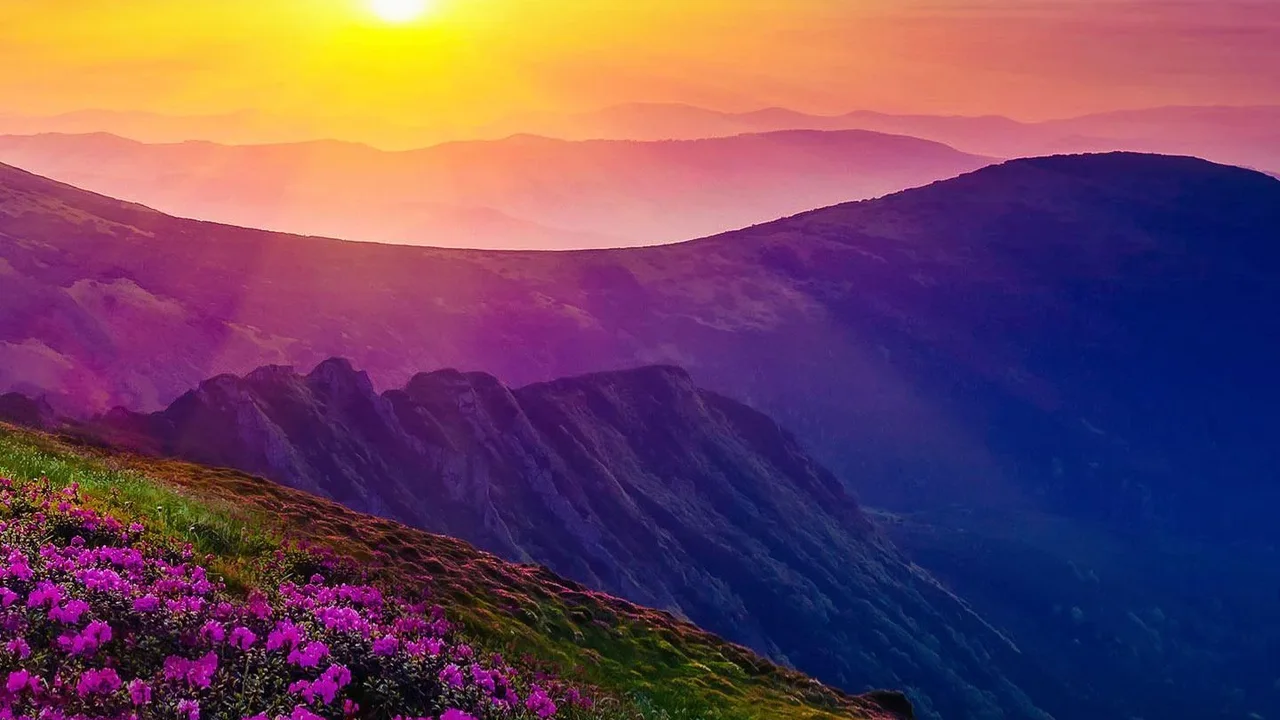
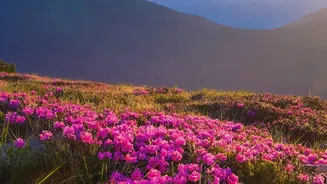
near Mattupetty, has burst into flower this year, following its own distinct 12-year cycle. This particular group last flowered in 2014, making 2026 its scheduled moment to shine. The bloom began in August and is expected to reach its peak in September and October, transforming vast stretches of the high-altitude grasslands into a breathtaking purple and blue carpet. This is a separate event from the famous flowering at Eravikulam National Park, whose next major bloom is still anticipated in 2030.
The Science Behind the Spectacle
The magic of Neelakurinji lies in its unusual life cycle, a phenomenon known as gregarious flowering. The plant, a shrub endemic to the shola forests of the Western Ghats, grows for years before flowering en masse, producing seeds, and then dying. This synchronized bloom happens just once in its lifetime. While the most famous variety has a 12-year cycle, there are other species of Strobilanthes with cycles ranging from one to 16 years. The name itself, Neelakurinji, is a nod to its iconic colour, with 'Neela' meaning blue. This periodic flowering plays a crucial role in the ecosystem, attracting pollinators like butterflies and the eastern honeybee, which produces a highly valued honey after the bloom.
More Than Just a Flower
Beyond its visual appeal, the Neelakurinji is a vital part of its fragile habitat. The plant helps protect the high-altitude grasslands from soil erosion and fire. However, its existence is under threat. Habitat loss due to the expansion of plantations, urbanization, and pressure from tourism has led to a decline in its population. Recognizing these threats, the International Union for Conservation of Nature (IUCN) assessed the species for its Red List for the first time in 2024, classifying it as 'Vulnerable'. This designation highlights the urgent need for conservation and responsible tourism to protect the remaining shola-grassland ecosystems where this rare flower thrives.
A Guide for Responsible Visitors
The 2026 bloom has already begun attracting visitors eager to witness the spectacle. To manage the influx and protect the delicate environment, authorities have opened designated viewing areas, particularly around Chokramudi. Entry fees have been put in place, and visitors are urged to act responsibly. Guidelines are clear: do not pluck or damage the plants, stay on the marked trails, and avoid using plastic. The flowers should be admired from a distance to allow them to complete their life cycle undisturbed. For those planning a visit, the bloom is concentrated around Chokramudi, Korandakkad, and Mattupetty. Forest officials anticipate it may spread to other areas like Meesapulimala as the season progresses.