



The Return of the First-Time Buyer
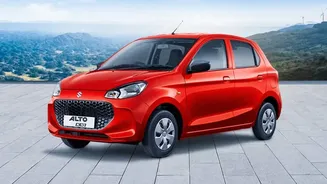
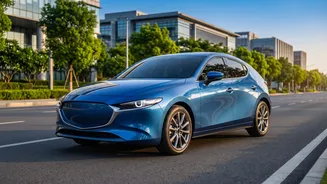
For years, the dream of owning a first car was getting tougher for many Indians. Rising costs and a market shifting towards premium SUVs had put a squeeze on the humble hatchback, long the symbol of a family’s upward mobility. However, the tide appears
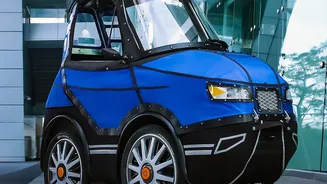
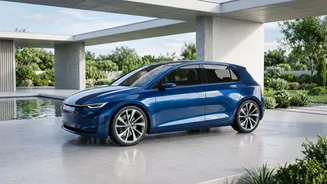
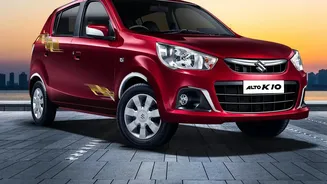
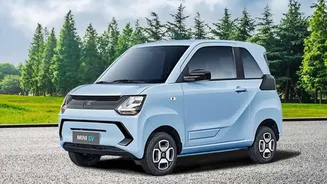
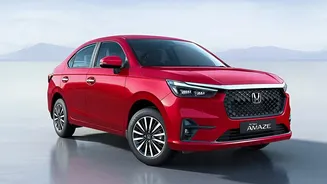
to be turning. Automakers are reporting a significant revival in the entry-level segment, with first-time buyers, who had been priced out, now returning to showrooms. Maruti Suzuki, a bellwether for the segment, reported that sales for its entry-level cars like the Alto and S-Presso nearly doubled in the months following tax adjustments. This comeback is crucial, signalling renewed health not just for carmakers, but for the broader economy, as it indicates that more households feel confident enough to make a major purchase.
Unpacking the 'GST 2.0' Effect
The primary catalyst for this shift is a significant tax overhaul dubbed 'GST 2.0', which took effect on September 22, 2025. Under this reform, the Goods and Services Tax (GST) on qualifying small cars—those under four metres in length with petrol engines up to 1200cc or diesel engines up to 1500cc—was slashed from 28% plus a compensatory cess to a straightforward 18%. For a price-sensitive buyer, this 10-percentage-point drop is transformative. On a car costing ₹8 lakh, for example, the tax burden falls significantly, directly reducing the ex-showroom price and, consequently, the down payment and monthly EMIs. This structural change has been hailed by industry leaders as a powerful demonstration of how affordability can unlock pent-up demand.
More Than Just the Price Tag
The impact of the lower GST goes beyond simple mathematics; it’s about psychology. For many aspiring car owners, the high cost of entry was a formidable psychological barrier. The GST reduction has made the prospect of buying a new car feel achievable again. This renewed affordability has been particularly effective in rural and semi-urban markets, which have shown strong growth post-reform. According to the Federation of Automobile Dealers Associations (FADA), the reform didn't just pull existing demand forward; it fundamentally widened the market by bringing a new class of consumers into the fold. This surge in the entry-level category is seen by manufacturers as a crucial step towards mass motorisation, moving families from two-wheelers to the safety and convenience of a car.
A Rising Tide Is Lifting All Boats
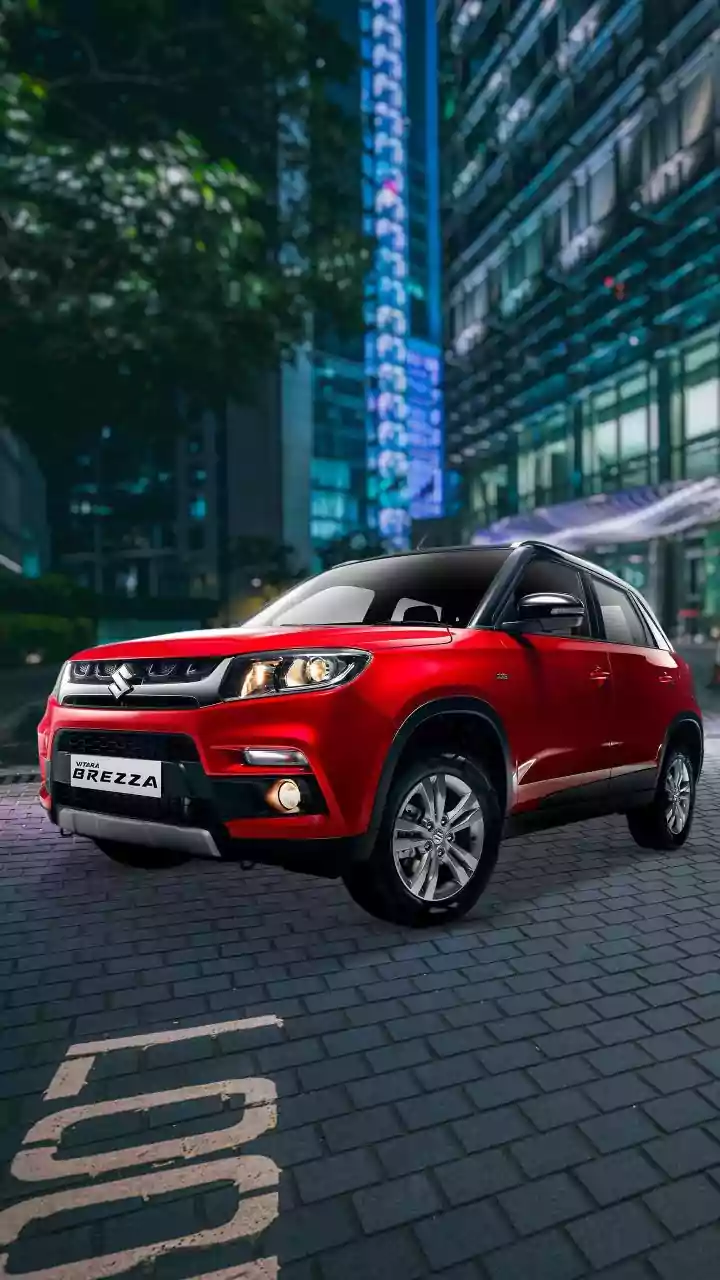
While the revival of small cars is a significant story, it’s happening within the context of a much broader industry boom. The headline of the story isn't just about hatchbacks; it's about the entire passenger vehicle (PV) market hitting record numbers. In August 2026, the industry recorded its highest-ever sales for that month, with PV sales surging by over 36% year-on-year. Crucially, this growth is not confined to one segment. Utility Vehicles (UVs), including the ever-popular SUVs, continue to be the main engine of the market, accounting for more than two-thirds of total domestic PV sales. Even large cars and luxury vehicles have benefited from the GST reforms, which consolidated their tax rate to a flat 40%, removing the complex and often higher cess system that existed before.
The Other Engines Fueling the Boom
The GST cut is a powerful tailwind, but several other factors are contributing to the industry's strong performance. Stable interest rates on car loans, a result of the Reserve Bank of India's monetary policy, have kept EMIs manageable for buyers across segments. Furthermore, the ongoing festive season, which typically accounts for a large chunk of annual sales, has seen manufacturers roll out aggressive discounts and offers to attract customers. A wave of new and facelifted models launched in recent months, from the Maruti Baleno facelift to a host of new SUVs, has also generated significant consumer excitement and kept showrooms busy. Finally, a stable macroeconomic environment and recovering rural demand have boosted consumer confidence, giving more people the conviction to invest in a new vehicle.