





The Zero-Gravity Crumb Problem
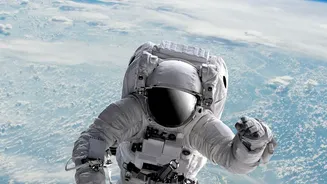
In the microgravity of a spacecraft, nothing behaves as it does on Earth. If an astronaut were to eat a regular piece of bread or a biscuit, the crumbs wouldn't fall to the floor. Instead, they would float around the cabin, creating a hazardous cloud
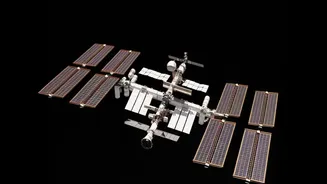
of debris. These tiny particles can be inhaled by the crew, causing irritation to their eyes and lungs, or they could drift into sensitive electronic panels and flight controls, potentially causing short circuits or malfunctions. This is why crumbly foods are strictly forbidden. To solve this, food technologists design meals that are either bite-sized, held together with edible coatings, or packed in a way that contains any potential fragments. Tortillas, for example, have long been favoured over bread on the International Space Station because they don't produce crumbs.
Managing Moisture and Maximising Shelf Life
Every kilogram launched into space is incredibly expensive, making weight a critical factor. Water is heavy, so food for astronauts must have very low moisture content. This is achieved primarily through a process called freeze-drying, or lyophilisation. In this method, cooked food is frozen and then placed in a vacuum, which turns the ice directly into water vapour that is then removed. This process not only makes the food extremely lightweight but also inhibits the growth of bacteria and enzymes that cause spoilage, giving it a shelf life of months or even years without refrigeration. When it's time to eat, astronauts simply rehydrate the food with water. Another method used is thermostabilization, where food is heated in special pouches to kill any microorganisms, making it ready-to-eat.
The Invisible Threat of Microbes
In the closed, sterile environment of a spacecraft, an outbreak of foodborne illness would be catastrophic. There are no emergency rooms in orbit. Therefore, ensuring food is completely free from harmful bacteria, viruses, and fungi is a non-negotiable priority. Every meal undergoes rigorous sterilisation processes, such as irradiation, where food is exposed to ionizing radiation to eliminate pathogens. The packaging is just as important. Meals are sealed in multi-layered pouches that provide a robust barrier against oxygen and moisture, preventing contamination and preserving freshness over the duration of the mission. These strict protocols ensure that the food remains safe to consume from the moment it is packed on Earth until it is eaten hundreds of kilometres above it.
A Taste of Home in Orbit
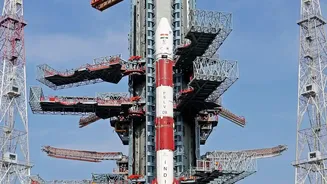
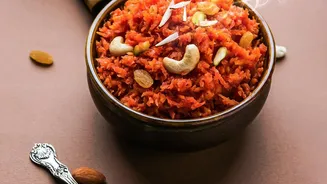
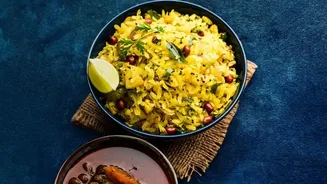
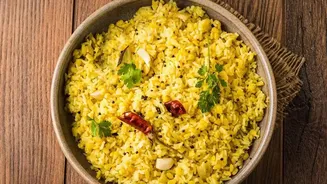
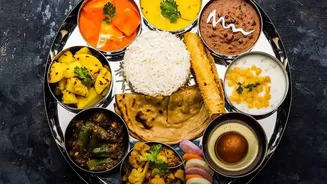
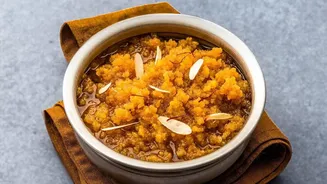
Beyond the technical challenges, there's a human element to consider. For astronauts on a demanding mission far from home, familiar food can be a major psychological comfort and morale booster. Recognising this, the Mysuru-based Defence Food Research Laboratory (DFRL) and Hyderabad's National Institute of Nutrition (NIN) are crafting a menu tailored to the Indian palate for the Gaganyaan crew. The menu is expected to feature over two dozen items, including familiar dishes like vegetable biryani, khichdi, idli-sambar, moong dal halwa, and chicken korma. These dishes are specially adapted to be less spicy and oily, as astronauts' sense of taste can be altered in space. By providing a taste of home, ISRO is ensuring that its astronauts are not just physically nourished but also psychologically supported on their groundbreaking journey.