

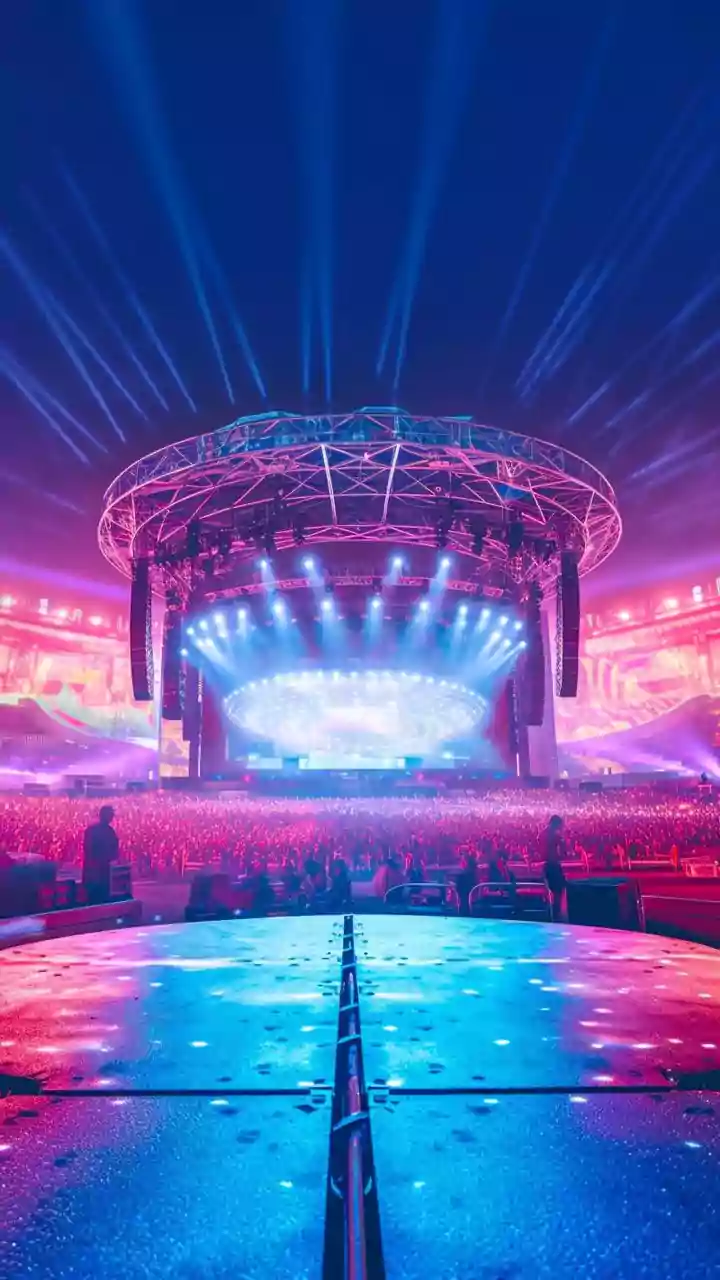


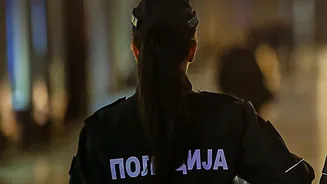

The global phenomenon of Taylor Swift's Eras Tour is not just a cultural milestone, but also one of the largest peacetime logistical operations in the world. Now, a foiled 2024 terror plot in Vienna is resurfacing, pulling the vast, often invisible, security
apparatus that protects these massive gatherings into sharp focus.
A Look Back at the Vienna Plot
In August 2024, three sold-out Taylor Swift shows in Vienna, with over 170,000 tickets sold, were abruptly cancelled. The reason: Austrian authorities, acting on intelligence, had disrupted a significant terrorist plot. Investigations revealed a plan by Islamic State sympathisers to carry out a mass-casualty attack on concertgoers at Vienna's Ernst Happel Stadion. The plotters, several of whom were teenagers radicalised online, had allegedly planned to use a combination of vehicle ramming, knives, and homemade explosives. They had acquired bomb-making instructions and attempted to buy weapons. Following a series of arrests, the concerts were deemed too high-risk to proceed, a decision that sent a chill through the live music industry but was widely seen as a necessary measure to prevent a potential tragedy.
Why the Case Is Returning to Focus
The Vienna plot has returned to the headlines due to a recent revelation from David Barnea, the former head of Israel's intelligence agency, Mossad. Speaking at a conference on November 23, 2026, Barnea disclosed for the first time the key role his agency played in thwarting the attack. He explained that while the initial alert came from Austrian partners, Mossad used its 'unique capabilities' to process intelligence and uncover the full network, leading to the arrests. This revelation has added a new layer to the story, which previously credited US intelligence for assisting. Barnea's comments have highlighted the crucial, and often unseen, international cooperation required to secure such high-profile global events, reminding the public of the complex web of agencies working behind the scenes.
The Global Concert Security Machine
Securing a tour on the scale of Taylor Swift's is a monumental undertaking that goes far beyond a few guards at the door. Modern concert security is a multi-layered system involving threat assessments, venue vulnerability analysis, and meticulous emergency planning. It begins weeks before a show, with intelligence agencies monitoring online chatter for specific threats. On the ground, it involves establishing a secure perimeter with access control, bag checks, and metal detectors. Crowd management is also critical, using barriers and trained personnel to prevent dangerous surges and maintain clear exit routes. For an artist of Swift's stature, this is amplified further with a dedicated artist protection detail and strict control over all backstage areas. The Vienna plot serves as a stark example of why this intricate and expensive process is so essential.
Evolving Threats for a New Era
The nature of threats against large events is constantly evolving. The Vienna case is a prime example of the modern challenge of online radicalisation, where young individuals can be inspired and instructed by terrorist groups from afar. Security experts now contend not just with organised groups, but also with lone actors and small cells who may not have been on law enforcement's radar. This makes proactive intelligence gathering more important than ever. Furthermore, the post-pandemic boom in live events has created larger, more enthusiastic crowds than ever before, adding another layer of complexity to crowd control and safety. Organisers must balance the need for robust security with the desire to maintain a positive and enjoyable fan experience, a tightrope walk that has become increasingly difficult.
What This Means for Fans in India
While the Vienna plot occurred thousands of miles away, its lessons are universal. As India continues to host more large-scale international concerts and festivals, the principles of event security become directly relevant. For fans, it underscores the importance of situational awareness. Being aware of your surroundings, knowing the locations of exits, and heeding the instructions of security personnel are crucial safety measures. The 'see something, say something' principle is not just a slogan; it is a vital component of a collective security culture. The Vienna incident demonstrates that threats are real but also that dedicated security and intelligence networks are actively working to neutralise them. For concertgoers everywhere, the price of admission now includes a degree of vigilance and an understanding that safety is a shared responsibility.