

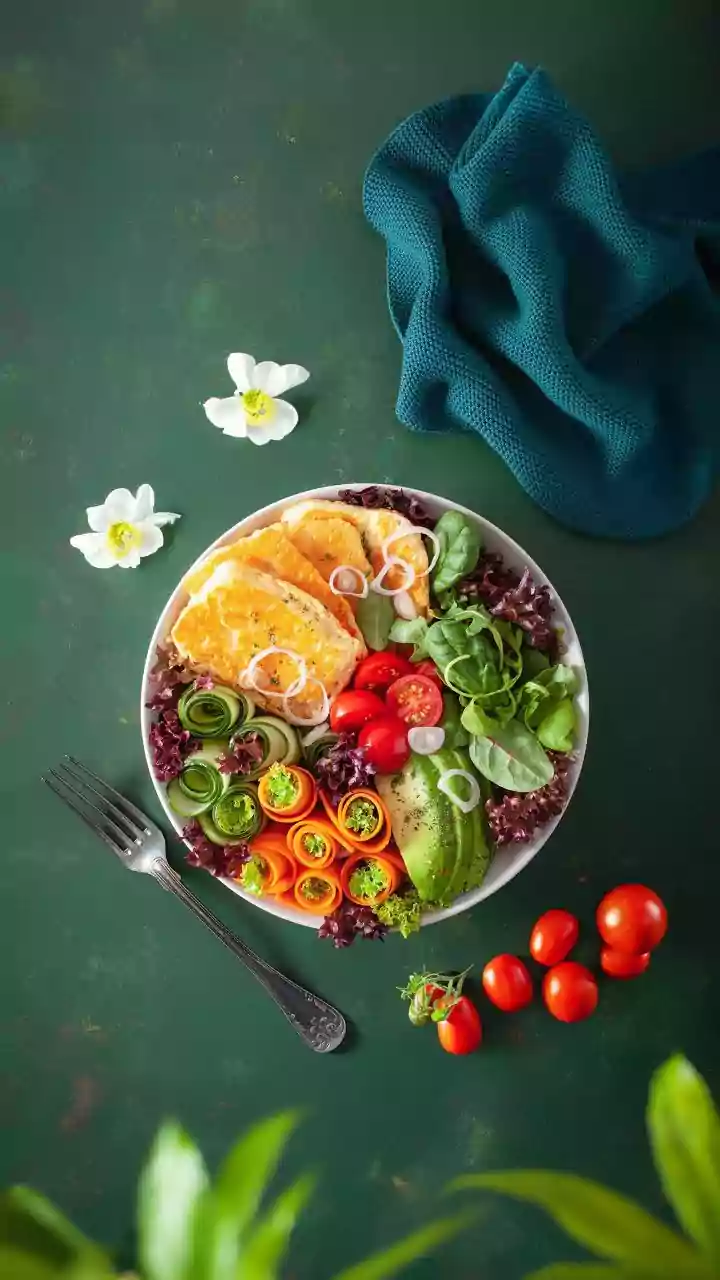



Why Gut Health Matters
Our gut is home to trillions of microorganisms, collectively known as the gut microbiome. This complex ecosystem plays a crucial role not just in digestion, but in our overall well-being, including immune function and even mood. A balanced gut microbiome thrives
on a diverse diet rich in fibre and nutrients. The foods we eat directly influence this balance, feeding the beneficial bacteria that help our bodies function optimally. When we focus on gut-friendly foods, we're investing in our long-term health from the inside out.
The Magic of One-Pan Meals
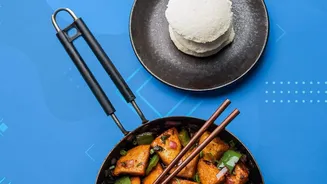
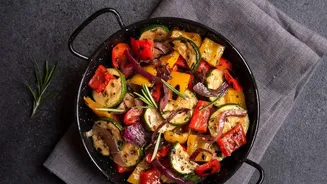
One of the biggest hurdles to healthy eating is the time and effort involved in preparation and cleanup. This is where one-pan and sheet-pan meals shine. By tossing all your ingredients onto a single pan to roast or cook, you minimise fuss and maximise flavour. Vegetables caramelise, proteins cook to perfection, and all the flavours meld together beautifully. This simple method makes cooking nutritious meals on a busy weeknight a realistic and enjoyable goal, removing the barrier of a sink full of dishes.
Power Up with Beans and Legumes
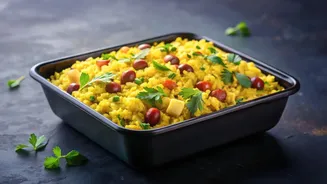
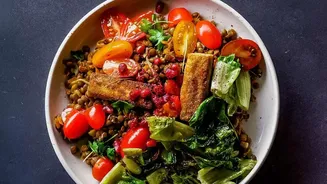
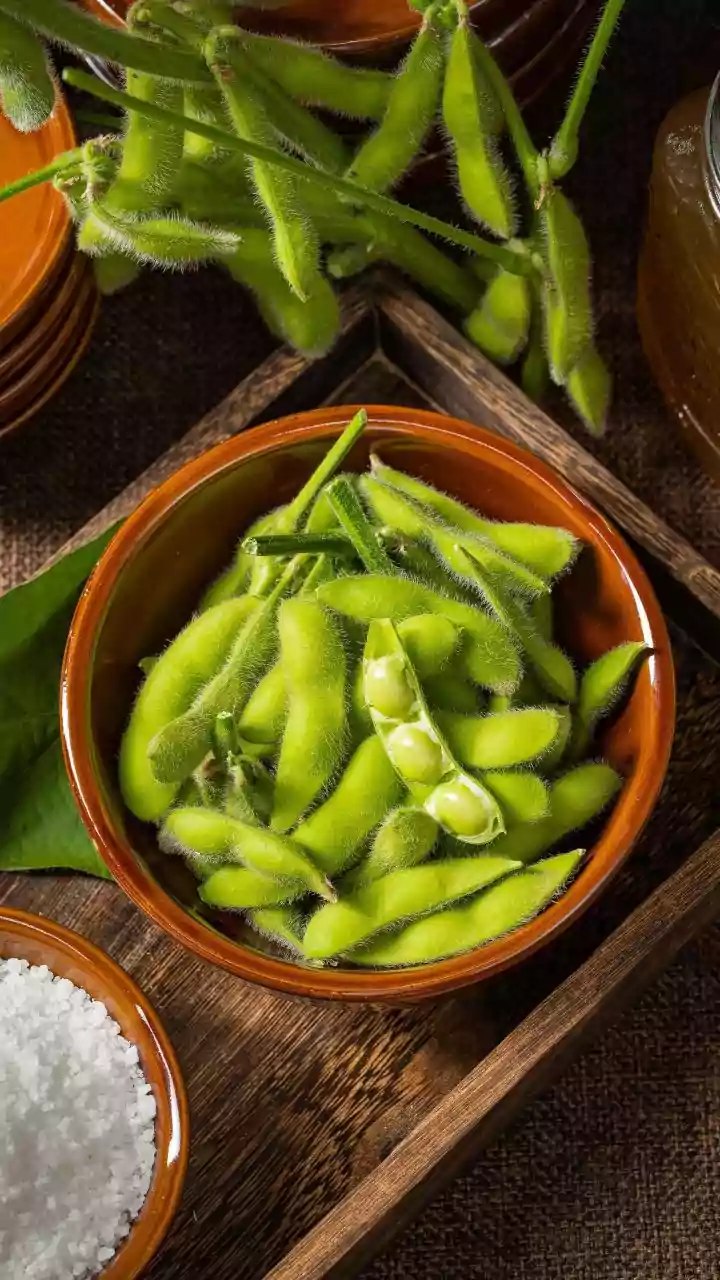
Beans and legumes like chickpeas and lentils are superstars for gut health. They are packed with dietary fibre, which acts as a prebiotic—food for the beneficial bacteria in your gut. This fermentation process produces short-chain fatty acids (SCFAs), which help lower inflammation and fuel the cells of your colon. Adding a can of rinsed cannellini beans or chickpeas to a sheet pan of roasting vegetables is an effortless way to boost the protein and fibre content of your meal, making it more satisfying and incredibly good for you.
Embrace a Rainbow of Vegetables
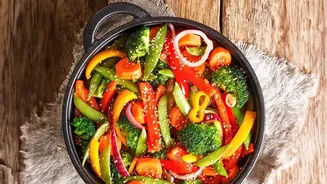
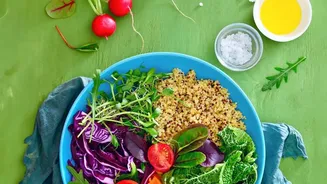
Eating a wide variety of colourful vegetables is key to a diverse and healthy gut microbiome. Vegetables are rich in different types of fibre and powerful plant compounds called polyphenols. Gut microbes feed on these compounds, which can help support a healthy intestinal environment. Cruciferous vegetables like broccoli and cauliflower, leafy greens like spinach, and root vegetables like sweet potatoes are all fantastic choices. Roasting them on a sheet pan enhances their natural sweetness and makes them a delicious centrepiece of any meal.
Don’t Forget Whole Grains
Whole grains such as brown rice, quinoa, and oats are another excellent source of fibre and essential nutrients that support a healthy digestive system. The fibre in whole grains helps keep you regular and feeds your friendly gut bacteria. While some whole grains require separate cooking, you can easily incorporate them into one-pan meals. Try pre-cooked quinoa or use quick-cooking varieties. Or, serve your sheet-pan creation over a bed of fluffy brown rice to create a complete and balanced bowl.
The Finishing Touch: Yoghurt
Yoghurt that contains 'live and active cultures' is a fantastic source of probiotics—the beneficial bacteria themselves. Consuming these probiotics can help support digestive health and balance your gut's microflora. While you wouldn't cook yoghurt on a sheet pan, it serves as the perfect finishing touch. A dollop of plain, unsweetened yoghurt can be a creamy, tangy topping for your roasted vegetables and beans. You can also mix it with herbs and lemon juice to create a delicious, cooling sauce to drizzle over your finished one-pan meal.
Simple Sheet-Pan Recipe Idea
Ready to try it? On a large sheet pan, toss one can of rinsed chickpeas, chopped sweet potatoes, broccoli florets, and sliced red onion with olive oil and your favourite spices. Roast at 200°C (400°F) for 25-30 minutes, or until the vegetables are tender and slightly crispy. Serve hot, perhaps over a bed of quinoa. For the finishing touch, mix plain yoghurt with a squeeze of lemon juice, a little minced garlic, and fresh dill. Drizzle this sauce over the roasted vegetables and chickpeas for a creamy, gut-friendly boost. It’s a complete, satisfying meal on one pan.