

What Exactly Is Sevai?
Sevai, also known by regional names like santhakai or shavige, is a type of rice vermicelli popular across India. Unlike pasta, it's made from rice, making it naturally gluten-free and light on the stomach. It’s often mistaken for its cousin, idiyappam,
but there's a key difference. Idiyappam is made by pressing raw rice flour dough into noodles and then steaming them. Sevai, on the other hand, is traditionally made by steaming cooked rice or rice paste dumplings first, and then pressing them through a special press called a sevai nazhi. This results in cooked noodles that are typically broken up and seasoned, serving as a base similar to rice itself.
The Art of Making It
The traditional method of making sevai is a labour of love. It starts with soaking parboiled rice for several hours. The soaked rice is then ground into a fine, smooth paste. This batter is cooked into a thick dough, formed into dumplings, and steamed until fully cooked. While still hot, these dumplings are placed into the sevai press and squeezed into delicate noodles. It's a process that often required significant effort, especially with older, manual presses. Thankfully, modern convenience has made sevai much more accessible. Today, you can easily find instant sevai packets, which only need to be soaked in hot water for a few minutes before they are ready to be seasoned and served. These instant versions, made from rice, ragi (finger millet), and other grains, offer a quick way to enjoy this classic dish.
A Canvas for Many Flavours
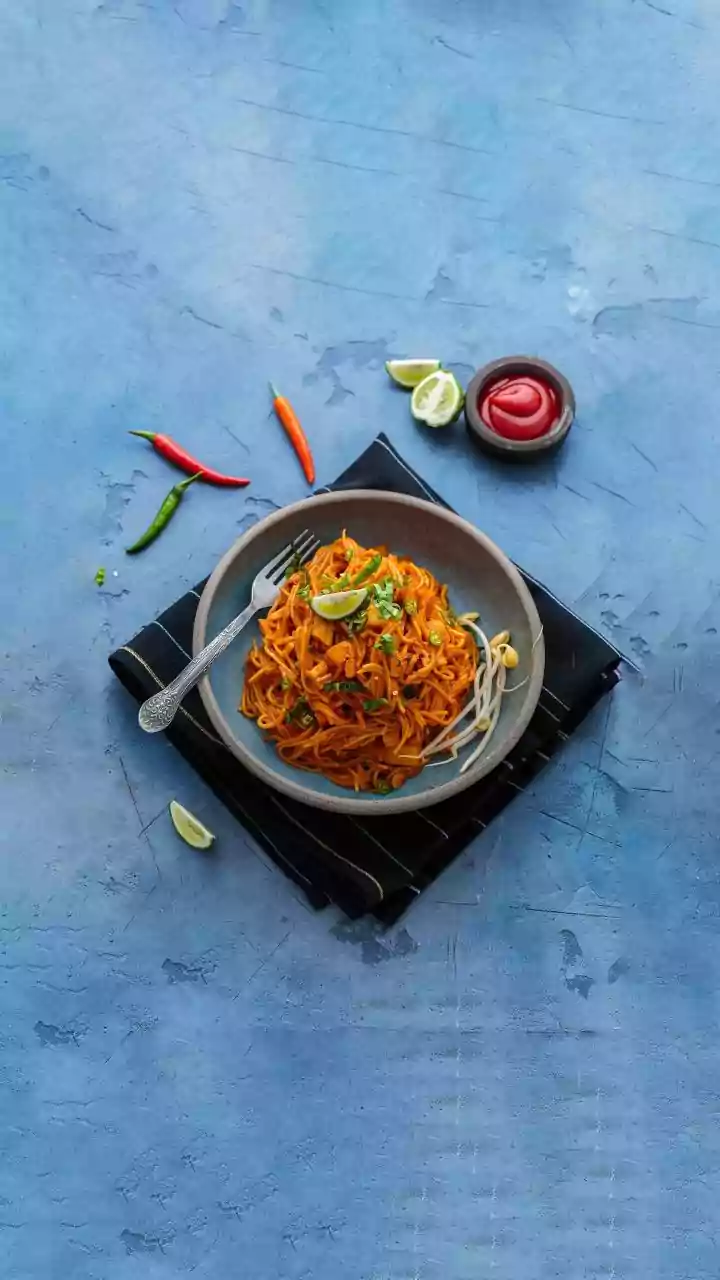
Plain sevai is rarely eaten on its own. Its mild flavour and soft texture make it the perfect vehicle for a variety of seasonings. For breakfast, sevai is transformed into a number of delicious savoury dishes. Lemon Sevai is a popular choice, where the noodles are tossed in a tempering of mustard seeds, lentils, curry leaves, and a generous squeeze of lemon juice. Coconut Sevai offers a subtly sweet and nutty flavour from freshly grated coconut mixed into the noodles. Tamarind Sevai, or Puli Sevai, provides a tangy and spicy kick. Other variations include Tomato Sevai, which has a savoury base of cooked tomatoes and onions, and even curd (yogurt) sevai. Each preparation turns the simple rice noodles into a complete and satisfying meal.
A Healthy and Wholesome Choice
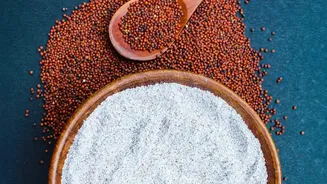
As a breakfast option, sevai is both light and energising. Because it's steamed and primarily made from rice, it's easy to digest. It's naturally low in fat and free of cholesterol. The healthiness of the final dish, of course, depends on the preparation. When made with minimal oil and combined with vegetables, lentils, and spices, it becomes a well-rounded meal. For an even bigger nutritional boost, you can find sevai made from whole grains like ragi (finger millet) or other millets. These versions offer more fibre, protein, and essential minerals, making them an excellent choice for a health-conscious diet.
More Than Just Breakfast
While it shines as a breakfast or tiffin dish, sevai's significance extends further. In some communities, it is a dish reserved for special occasions, festivals, and even wedding rituals. Its history is believed to date back to ancient Sangam literature from the 1st century CE. Beyond the classic savoury preparations, sevai can also be served as a dessert. When cooked in milk with sugar, cardamom, and nuts, it becomes a delicious kheer or payasam. Whether served savoury and tangy for breakfast or sweet and creamy for dessert, sevai is a testament to the culinary ingenuity of South Indian cuisine.