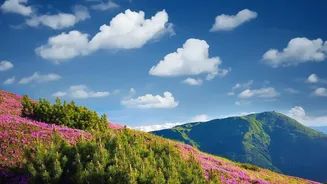









A Once-in-a-Generation Spectacle
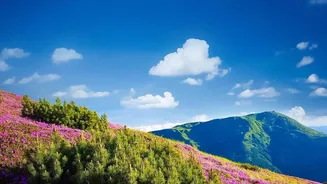
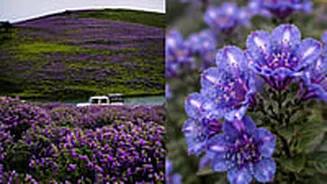
After a long wait, the famed Neelakurinji flower, known scientifically as Strobilanthes kunthiana, has begun its mass flowering in September 2026. This year's bloom is concentrated in the hills around Chokramudi and the Mattupetty-Korandakkad region near
Munnar in Kerala. While many associate the bloom with Eravikulam National Park, it's important to note that different populations of Neelakurinji follow different schedules. The population currently flowering last bloomed in 2014, making 2026 its expected year of return. The more widely publicised bloom at Eravikulam National Park last occurred in 2018 and is not expected again until 2030. For now, from September through October, travellers have a precious window to witness the slopes awash in violet hues.
The Science of a Synchronised Bloom
The 12-year cycle of the Neelakurinji is a fascinating example of a natural phenomenon known as masting, or synchronised mass seeding. The shrub is monocarpic, meaning it flowers only once in its lifetime, sets seed, and then dies. This unusual life cycle is believed to be a survival strategy, possibly overwhelming seed predators with a sudden abundance of food, ensuring that enough seeds survive to produce the next generation. The scientific name, Strobilanthes kunthiana, honours the Kunthi River, which flows through Kerala's Silent Valley National Park, another habitat for this unique plant. There are over 450 species in the Strobilanthes genus, many with their own distinct flowering cycles ranging from one to sixteen years, but the 12-year cycle of this particular species is the most famous.
The Naming of the Blue Mountains
The significance of Neelakurinji is deeply embedded in the region's culture and even its geography. The very name 'Nilgiris', which translates to 'Blue Mountains', is believed to have originated from the stunning purplish-blue carpet these flowers create during their mass bloom. For local indigenous communities, such as the Paliyan and Muthuvan tribes of Tamil Nadu and Kerala, the flowering is a historical marker used to calculate their age and mark the passage of generations. The flower is also mentioned in ancient Tamil Sangam literature, cementing its place in the cultural heritage of the Western Ghats.
An Ecological Keystone
Beyond its visual appeal, the Neelakurinji bloom is a critical ecological event. As an indicator species, its health reflects the health of the fragile shola grassland ecosystem it inhabits. The mass flowering provides a sudden glut of nectar for pollinators, especially bees and butterflies, leading to a boom in local honey production. This honey, harvested during the bloom, is considered particularly rare and medicinal. After flowering, the parent plants die, and their seeds lie dormant, waiting for the next cycle. The dense root systems of the shrubs also play a vital role in preventing soil erosion on the steep hillsides.
The Challenge of Conservation
The rarity of the Neelakurinji bloom attracts a massive influx of tourists, which presents both an opportunity and a significant challenge. The Idukki district administration and Kerala's Forest Department are tasked with managing the crowds to protect the delicate habitat. With the plant's habitat already under pressure from plantations and urbanisation, responsible tourism is paramount. Authorities have designated specific viewing areas and are regulating traffic to minimise environmental impact. Visitors are strictly warned not to pluck or trample the flowers, as the plant is protected under law. In a recent incident, two youths were booked for uprooting the protected flowers to create social media content, highlighting the need for visitor awareness and enforcement.