





The All-Rounder: Potato (Aloo)
It’s impossible to imagine Indian cuisine without the potato. Its starchy, absorbent nature makes it a perfect canvas for a wide array of spices. For a classic dry sabzi or a hearty curry, the foundational trio of cumin seeds, turmeric powder, and coriander
powder is essential. When frying potatoes for dishes like aloo chaat, a sprinkle of ajwain (carom seeds) not only adds a unique, pungent flavour but also aids digestion. For a more fragrant and restaurant-style finish, crushing some kasuri methi (dried fenugreek leaves) over the potatoes in the final moments of cooking imparts an irresistible aroma. Don't be afraid to experiment with whole spices like mustard seeds and a pinch of asafoetida (hing) in hot oil before adding the potatoes to build a deep, savoury base.
The Sweet Staple: Carrot (Gajar)
Carrots bring a natural sweetness and vibrant colour to any dish. This sweetness pairs wonderfully with spices that offer a bit of contrast. In many North Indian homes, a simple but delicious gajar sabzi is made by tempering mustard seeds and cumin seeds, then sautéing the carrots with turmeric and a hint of red chilli powder. The sweetness of the carrot is beautifully balanced by the heat. For a different profile, garam masala, with its blend of warming spices like cinnamon and clove, can elevate roasted or glazed carrots. When using carrots in a southern Indian-style stir-fry or 'poriyal', tempering with mustard seeds, urad dal, and curry leaves creates a delightful texture and flavour combination.
The Earthy Gem: Beetroot (Chukandar)
Beetroot’s deep, earthy flavour can be divisive, but with the right spices, it becomes a celebrated ingredient. To balance its inherent earthiness, spices with bright and pungent notes work wonders. Fennel seeds (saunf) and ginger are excellent companions, cutting through the sweetness and adding a refreshing aroma. In Bengali cuisine, beetroots are often prepared with panch phoron, a five-spice blend that includes mustard, fennel, nigella, cumin, and fenugreek seeds. For a simple beetroot thoran, a South Indian stir-fry, grated beetroot is cooked with mustard seeds, curry leaves, green chillies, and finished with fresh coconut. A sprinkle of roasted cumin powder and a squeeze of lemon juice just before serving can also lift the flavours beautifully.
The Creamy Delight: Sweet Potato (Shakarkandi)
The sweet potato, or shakarkandi, is cherished for its creamy texture and comforting sweetness. It shines in both savoury and sweet applications across India. For a popular street-food style snack, roasted sweet potato cubes are tossed with chaat masala, black salt (kala namak), and a generous squeeze of lemon juice. This combination of tangy, spicy, and sweet is incredibly addictive. In curries, its sweetness provides a wonderful balance to robust spices like ground coriander, cumin, and turmeric. For a warmer, more aromatic dish, try pairing it with a hint of cinnamon or clove. To add a tangy counterpoint, amchur (dry mango powder) is an excellent addition that cuts through the richness and brightens the entire dish.
The Pungent Powerhouse: Radish (Mooli)
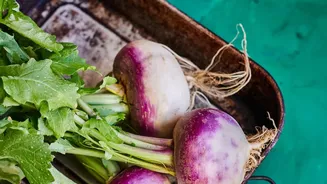
The sharp, peppery flavour of radish, known as mooli, makes it a favourite, especially during the winter months. Its pungency mellows upon cooking, making it suitable for a variety of preparations. Mooli Parathas are a breakfast staple where grated radish is spiced with ajwain (carom seeds), turmeric, and green chillies. The ajwain is key here, as it helps balance the gassy nature of radish. In a simple mooli ki sabzi, the radish is often cooked with its own greens, along with cumin seeds, ginger, turmeric, and coriander powder for a wholesome and flavourful dish. A tempering of mustard seeds, asafoetida, and curry leaves also works beautifully, especially in yogurt-based preparations like Mooli Raita.