



Embrace the Human Sea
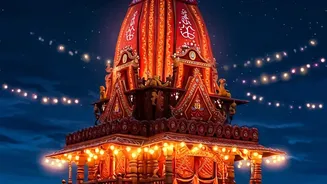
First, a crucial mindset shift: the crowds at Durga Puja are not a problem to be avoided; they are an integral part of the experience. The energy of millions of people moving through lanes decorated with elaborate lightwork is what makes the festival
unique. Instead of fighting it, the key is to move with its rhythm. Seasoned pandal-hoppers know the two golden windows to beat the peak rush: early mornings, between 7 AM and 11 AM, and late at night, after 1 AM. During these times, you can often see the magnificent idols and intricate pandal art without standing in multi-hour queues. The afternoons are relatively quieter as people rest, but the true magic happens when the lights come on. Plan for a mix of timings — see a few famous pandals in the quiet of the morning, and experience the dazzling, crowded spectacle at night. And remember to wear comfortable shoes; you will be walking for kilometres.
The Metro: Your Pandal-Hopping Lifeline
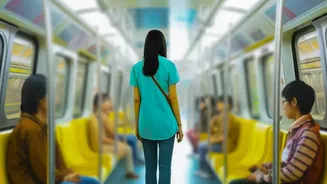
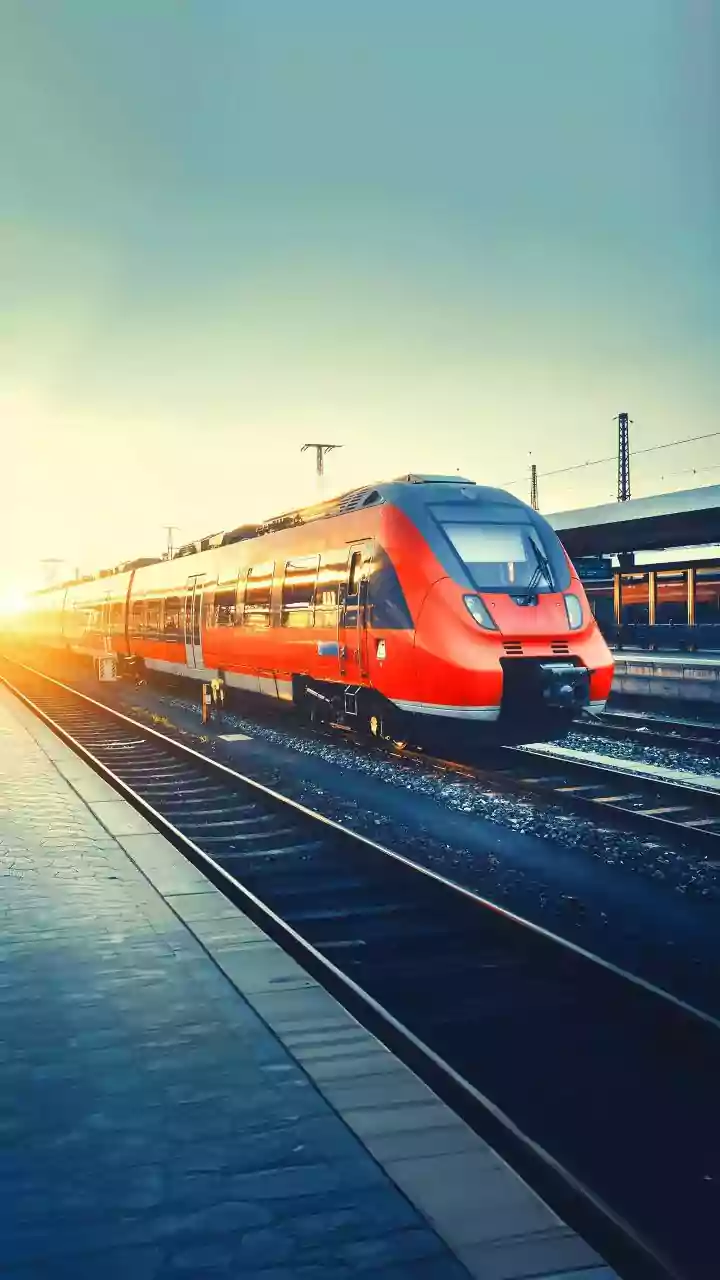
While Kolkata’s roads often come to a standstill, the Metro becomes the city’s lifeline. For the main festive days in 2026, from Maha Saptami (October 17) to Maha Navami (October 19), Metro Railway typically runs special all-night services on its main corridors, particularly the Blue Line (connecting North and South Kolkata) and the Green Line (East-West). This is, without a doubt, the single most effective way to travel between distant pandal zones. Forget about cars or ride-sharing apps, which will likely get stuck in gridlock far from the main attractions. Instead, base your entire travel strategy around the Metro map. Using a Smart Card or the city's QR-code ticketing app can also help you avoid long queues at station counters during the festive rush.
Plan by Zone, Not by Pandal
With thousands of pandals across the city, trying to visit specific ones scattered across the map is a recipe for exhaustion. A far better approach is to divide your plan by geographical zones: North, Central, and South Kolkata. Dedicate one day or evening to each zone. For instance, spend an evening exploring the traditional and historic pujas of North Kolkata. You can get down at Shyambazar or Sovabazar Sutanuti Metro stations to visit icons like Bagbazar Sarbojanin, one of the oldest in the city, and Kumartuli Park, located in the potters' district where the idols are made. On another day, focus on South Kolkata, famous for its grand, artistic themes. Stations like Kalighat and Jatin Das Park provide access to legendary pandals such as Ekdalia Evergreen, Suruchi Sangha, and Badamtala Ashar Sangha. This zonal approach minimises travel time and lets you immerse yourself in the unique flavour of each neighbourhood.
The Final Mile: Walking and Auto-Rickshaws
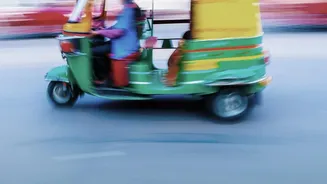
The Metro will get you into the right neighbourhood, but the final stretch to the pandal is almost always on foot. Police often restrict vehicle movement on roads leading to major pujas to manage the flow of people. This is where the festival's true character reveals itself—in the decorated lanes, the impromptu food stalls, and the collective excitement of the crowd. For slightly longer distances between a Metro station and a cluster of pandals, auto-rickshaws are an excellent option. They are more agile than cars and can navigate narrower streets. However, be prepared for most of your exploration to be a walking tour. The sheer scale of traffic and pedestrian movement means that even short distances in a vehicle can take an unexpectedly long time.
Smart Stays and Other Essentials
If you are visiting from out of town, your choice of accommodation can make or break your trip. Staying near a Metro station, especially on the Blue Line, gives you a massive strategic advantage. It allows you to easily head out for early morning explorations or return late after a night of pandal hopping without worrying about finding transport. Keep your phone charged and carry a power bank, as you will rely heavily on maps and communication. Given the crowds, mobile networks can be patchy near the most popular pandals. Finally, while the visual spectacle is the main draw, don't forget to sample the incredible street food. From rolls and phuchka to elaborate Bengali sweets, the food is a core part of the Puja experience.