




A New Lunar Marketplace
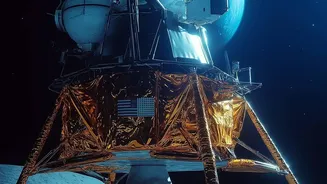
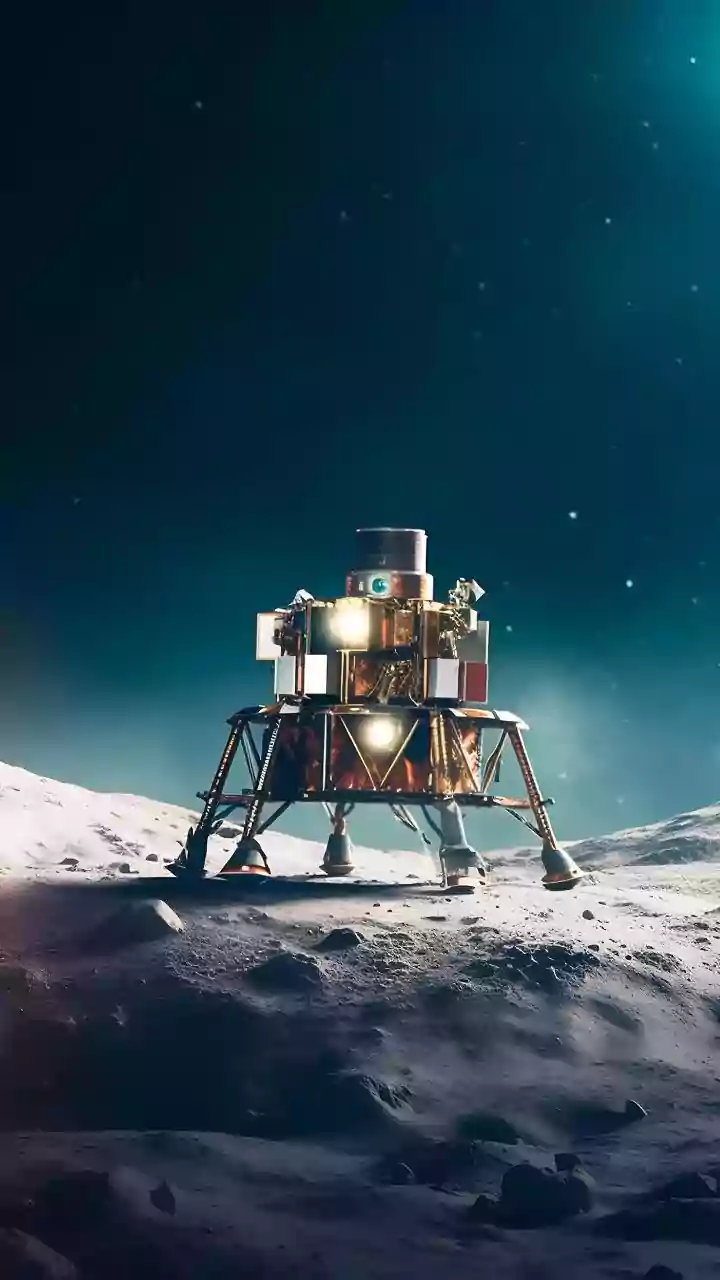
In a landmark announcement, NASA has selected eight American companies to compete for contracts under its Commercial Lunar Payload Services 2 (CLPS 2) initiative. This 10-year program, with a potential combined value of up to $10 billion, tasks the private
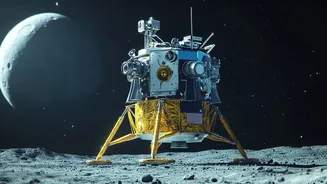
sector with a critical role: delivering the science, technology, and infrastructure payloads needed for a sustainable human outpost on the Moon. The roster of eligible companies includes established aerospace giants and ambitious newcomers, such as Blue Origin, SpaceX, Lockheed Martin, Northrop Grumman, Firefly Aerospace, Intuitive Machines, ispace-U.S., and Voyager Technologies. This move significantly expands on the original CLPS program, which had a smaller pool of providers and a lower contract ceiling, signaling NASA's growing confidence in the commercial space industry. Rather than owning and operating all its own hardware, the agency is buying delivery services, creating a new marketplace for lunar logistics.
More Than Just a Ride to the Moon
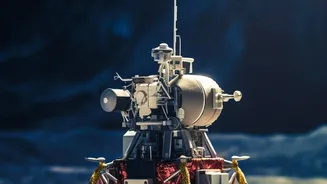
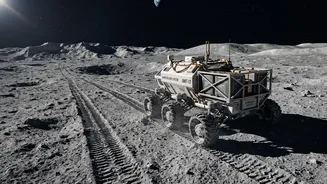
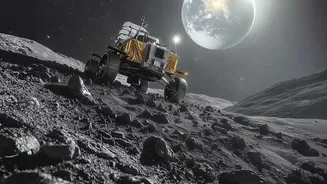
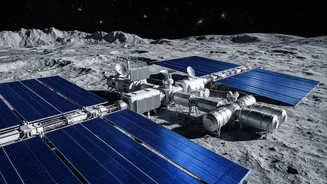
The scope of these new commercial partnerships extends far beyond simply transporting cargo. The selected companies are tasked with developing an entire ecosystem of services. This includes not only building and operating a new generation of larger, more capable landers but also developing crucial surface infrastructure. For instance, NASA awarded a contract to Blue Origin to deliver a nuclear-powered rover named PROMISE (Polar Rover for Observation, Mapping, and In-Situ Exploration) to the lunar south pole around 2028. This six-wheeled vehicle will be able to operate in the extreme cold and darkness of lunar nights, searching for water ice in permanently shadowed regions. Other contracts are funding the development of power generation and storage systems, with companies like Redwire and Honeybee Robotics working on components for solar arrays and batteries. SpaceX has also been tapped for a 2028 mission using its Starship vehicle to deploy a cislunar communications network, a vital step for connecting astronauts and equipment back to Earth.
The Commercial Crew Playbook
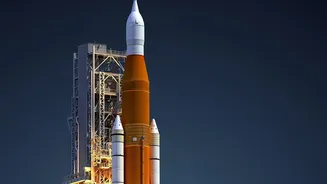
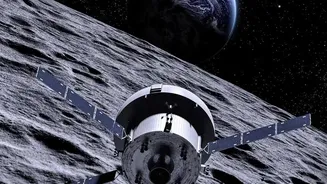
This strategy of buying services instead of owning hardware is not new for NASA, but its application to the Moon is a game-changer. The agency is following the highly successful playbook of its Commercial Crew and Cargo programs, which ended its reliance on the Russian Soyuz for astronaut transport to the International Space Station (ISS). By funding companies like SpaceX and, previously, Boeing to develop their own spacecraft, NASA stimulated competition, drove down costs, and created a vibrant new market in low-Earth orbit. Applying this model to the Artemis program allows NASA to offload some of the development risk and financial burden to the private sector. This frees up the agency to focus its own resources on the bigger picture: the deep-space exploration technologies, scientific missions, and astronaut operations that only a government agency can lead. It represents a fundamental shift from NASA being the sole provider to becoming an anchor tenant in a burgeoning lunar economy.
Building a Sustainable Lunar Economy
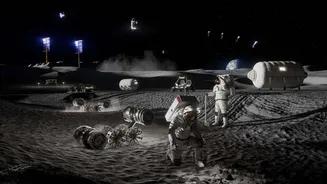
The long-term vision behind these commercial contracts is not just to support a handful of NASA missions, but to catalyze a self-sustaining economy on and around the Moon. By guaranteeing a certain level of demand for lunar delivery and infrastructure services, NASA gives these companies the business case they need to invest in long-term development. As capabilities mature and costs come down, other customers—from international space agencies to private research firms and even space tourists—could one day purchase services from these same providers. This plan moves beyond the flags-and-footprints model of the Apollo era toward establishing a permanent, economically viable human presence. The goal is an ecosystem where science, resource utilization (like mining for water ice), and commerce can all coexist on another world, with NASA acting as just one of many customers.