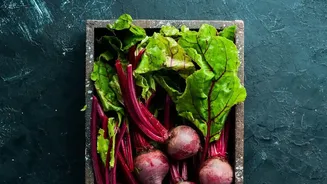





Often defined by its deep, earthy flavour and notorious staining power, beetroot is a vegetable of surprising dualities. Beyond the jarred and pickled varieties, this vibrant root is a culinary chameleon, equally at home in a cosy, warm dish or a crisp,
cool salad.
The Foundation: An Earthy and Sweet Staple
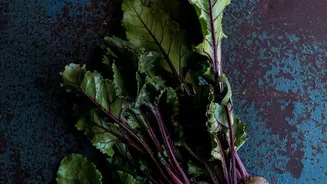
Beetroot's signature flavour comes from a compound called geosmin, the same substance that gives soil its earthy scent after rain. While this can be polarizing, it's also the source of its unique charm. Naturally high in sugar, this sweetness becomes more pronounced when cooked, offering a beautiful counterpoint to its earthy notes. Beyond its taste, beetroot is packed with nutrients, including folate, manganese, and fibre. It also contains betalains, the powerful antioxidants that give red beets their vibrant colour and are linked to anti-inflammatory properties. This combination of a complex flavour profile and nutritional benefits makes it a worthy ingredient to master in any kitchen.
Bringing the Heat: Warm Beetroot Preparations
Cooking beetroot transforms its texture from crisp to tender and deepens its flavour. Roasting is arguably the best method for intensifying its natural sweetness. By wrapping whole, unpeeled beets in foil and baking them until fork-tender, their sugars caramelize, resulting in a rich, concentrated taste. Boiling is a quicker alternative, ideal for when you need cooked beets for a mash or a puree. To retain their brilliant colour when boiling, it helps to leave about an inch of the stem and the root intact and add a splash of vinegar or lemon juice to the water. Steaming is another excellent option that preserves more nutrients compared to boiling. Warm beets make a fantastic side dish on their own, perhaps tossed with butter and herbs, or they can be the star of heartier dishes like a traditional borscht or an Indian-style beetroot poriyal, a quick sauté with onions and spices.
Flavour Pairings for Warm Dishes
When served warm, beetroot's earthy sweetness pairs wonderfully with a range of bold flavours. Warming spices like cinnamon, ginger, allspice, and cumin bring out its depth. For a classic combination, serve roasted beets with tangy goat cheese and toasted walnuts; the creamy, salty cheese and crunchy nuts provide a perfect contrast in taste and texture. A drizzle of balsamic glaze or orange juice can also elevate cooked beets, with the acidity balancing their sweetness. Don't be afraid to experiment with herbs like thyme and rosemary, which complement the roasted flavours beautifully.
The Crisp and Cool Side: Cold Preparations
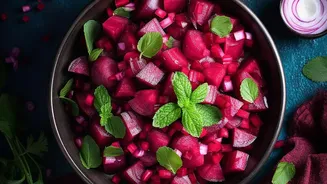
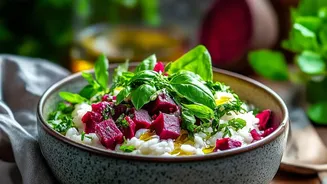
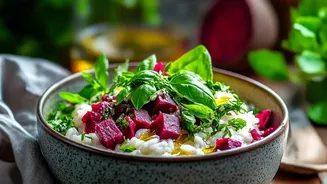
Beetroot is just as delightful when served cold, offering a refreshing crispness. It can be used raw in salads, where it adds a satisfying crunch and vibrant colour. For raw preparations, it's best to peel the beet and then grate it or shave it into very thin slices using a mandoline. If the raw earthiness is too strong, you can mellow it slightly by tossing the slices with an acidic dressing. Alternatively, you can use pre-cooked beets (boiled or roasted and then cooled) cubed or sliced in a variety of salads. These cooked and cooled beets form the base for many classic salads, often mixed with creamy dressings or tangy vinaigrettes.
Perfect Partners for Cold Salads
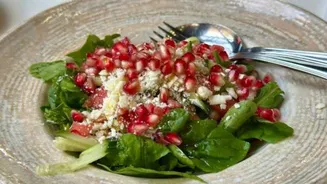
In cold dishes, contrast is key. The sweetness of beetroot shines when paired with salty and tangy ingredients. Crumbled feta cheese is a popular choice, providing a briny counterpoint. Fresh, soft herbs like dill, mint, and parsley add a burst of freshness that lifts the entire dish. For dressings, think bright and acidic. A simple lemon vinaigrette or a creamy Greek yogurt-based sauce with garlic works wonders. Other complementary ingredients for cold beet salads include crunchy apples, peppery arugula, and citrus segments like orange or grapefruit, which cut through the earthiness and add another layer of flavour.
A Quick Tip for a Clean Kitchen
The one major drawback of beetroot is its tendency to stain everything it touches. To avoid pink fingers, countertops, and cutting boards, a few simple tricks can help. Wear gloves when handling cooked or raw beets. Use a non-porous cutting board, like glass or plastic, or simply place parchment paper over your wooden board. Perhaps the easiest trick is to cook beets with the skin on. Once cooked and slightly cooled, the skin slides off easily under running water or with a paper towel, minimizing mess and keeping your hands clean.