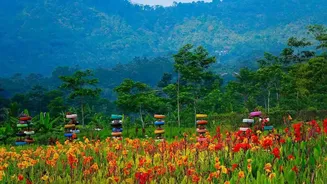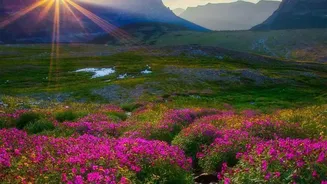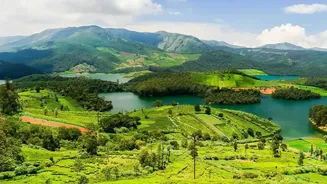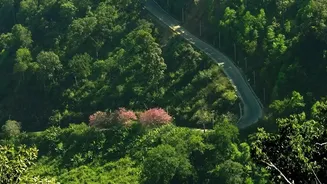






A Once-in-a-Generation Spectacle
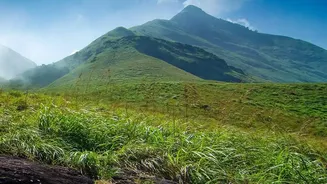
The Neelakurinji, or Strobilanthes kunthiana, is a shrub that blossoms in a synchronised mass flowering only once every 12 years. This natural event transforms the shola grasslands of Kerala and Tamil Nadu into a vibrant, otherworldly landscape. For 2026,
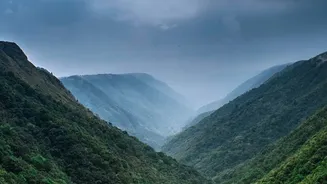
the bloom is anticipated across several hills in Idukki district, including Chokramudy, Meesapulimala, and parts of the famed Eravikulam National Park near Munnar, from August through October. This rare occurrence draws nature lovers from across the country, all eager to witness the mountains awash in blue. But this beauty is incredibly delicate, and its survival depends entirely on the actions of those who come to admire it.
Why the Rules Are Not Optional
The Neelakurinji is not just a pretty flower; it's a cornerstone of a fragile ecosystem. The plant's deep roots hold the soil together on steep slopes, preventing erosion, while its mass flowering provides a crucial feast for native bees and butterflies. However, this habitat is under severe threat from unregulated tourism and infrastructure development. Reports highlight that visitor foot traffic can lead to trampling, soil compaction, and the accumulation of waste, which directly interferes with the flower's natural life cycle and regeneration. The Neelakurinji is so important that it is protected under Schedule III of India's Wildlife (Protection) Act, 1972. Harming or uprooting the plant is a punishable offense, carrying a hefty fine and potential imprisonment.
Key Guidelines for Every Visitor
To ensure the Neelakurinji continues to bloom for future generations, authorities have enforced strict guidelines. First and foremost: do not pluck the flowers or uproot the plants. Not only is it illegal, but the plants will not survive at lower altitudes, making any attempt to cultivate them at home futile. Visitors must stick to the designated viewing routes and marked trails. Venturing off-path damages the plants and the sensitive ground they grow on. The entire bloom area is a strict no-plastic zone, and littering is prohibited. Your bags may be checked at entry points for plastics and outside food items. Finally, respect the tranquility of the area—avoid loud noises and do not disturb the local wildlife, including the endangered Nilgiri Tahr that shares this habitat.
Planning a Smooth and Responsible Visit
With a major bloom underway, expect a significant number of visitors. To manage the crowds and reduce traffic congestion, district authorities are implementing measures like app-based booking systems for popular viewing spots like Chokramudy and Meesapulimala. It is highly advisable to book your visiting slots in advance where possible. Eravikulam National Park, a primary habitat, does not permit private vehicles within its tourist zone; visitors are transported via park-operated buses. To avoid long queues, try to reach early in the day and consider visiting on a weekday. Wear comfortable walking shoes suitable for uneven terrain, carry reusable water bottles, and be prepared for misty or rainy weather, which is common in the hills.
Be a Guardian of the Bloom
Your role as a visitor extends beyond simply following rules. It’s about becoming a conscious traveller who actively contributes to conservation. When you visit, you are an ambassador for responsible tourism. You can help by gently reminding fellow tourists of the guidelines if you see them straying from the path or attempting to pluck a flower. Support the local economy by using services provided by the community and official bodies. By understanding the 'why' behind the rules—the ecological importance, the legal protections, and the threat of human impact—your visit transforms from a simple sightseeing trip into a meaningful act of preservation. Your mindfulness ensures that this magnificent blue carpet is not a final encore, but a recurring spectacle for decades to come.