




Discovering Gochujang
At the heart of this vibrant dish is gochujang, a staple Korean chili paste that offers much more than just heat. Made from red chili powder, glutinous rice, fermented soybeans, and salt, its flavor profile is a complex dance of spicy, savory, earthy,
and slightly sweet notes. Unlike a simple hot sauce, gochujang's fermentation process gives it a profound umami depth that can transform a simple meal into something extraordinary. Its thick, paste-like consistency makes it an ideal base for marinades and glazes, as it clings beautifully to ingredients. When whisked with other liquids like soy sauce, sesame oil, and a touch of vinegar or sweetener, it becomes a perfectly balanced sauce that brings your entire bowl to life.
The Non-Negotiable Guide to Crispy Tofu
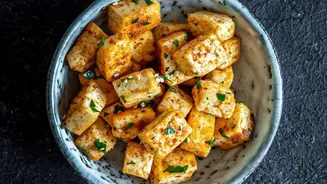
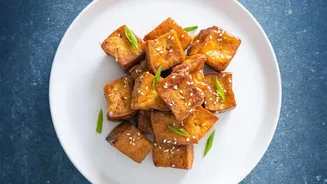
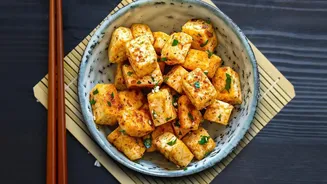
The most common complaint about homemade tofu is a soft, soggy texture. The solution is surprisingly simple but requires discipline: cook the tofu separately from the sauce. Many recipes suggest marinating tofu, but its high water content actually prevents it from absorbing much flavor. The most effective path to crispiness starts with removing as much water as possible. Use extra-firm or super-firm tofu and press it well. You can do this by wrapping the block in paper towels and placing something heavy on top for at least 15 minutes. For even better texture, some cooks suggest tearing the tofu into chunks instead of cutting it, which creates more surface area for crisping. Once pressed, toss the tofu in cornstarch until lightly coated. Pan-fry, bake, or air fry it in a single layer until golden brown and crisp on all sides before it ever touches the sauce. This dehydrated crust is what you're working to protect.
Why Saucing Last is Crucial
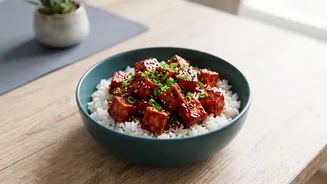
Adding sauce too early is the fastest way to undo all your hard work. The crispy exterior you created is highly absorbent; if you add a water-based sauce while the tofu is still cooking, it will simply steam the surface and turn the crust gummy. Professional chefs treat the tofu and the sauce as separate components until the very end. The best practice is to cook your tofu until crisp, remove it from the heat, and then toss it with the sauce for just a few moments before serving. This allows the thick, glossy sauce to cling to the surface without penetrating and destroying that satisfying crunch. If your sauce is thin, consider simmering it separately to reduce it to a thicker consistency before combining it with the hot, crispy tofu. This ensures a perfect glaze rather than a soggy mess.
Building the Perfect Bowl
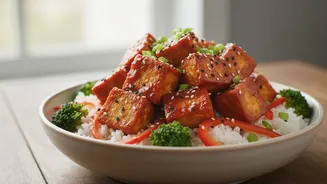
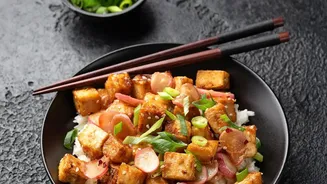
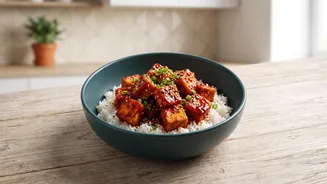
With your perfectly sauced, crispy tofu ready, the fun of assembly begins. A bed of fluffy rice—short-grain or jasmine are excellent choices—provides the ideal foundation. The key to a balanced bowl is adding a variety of textures and flavors. Fresh, crunchy vegetables are a must to contrast the rich, savory tofu. Quick-pickled vegetables, such as julienned carrots, cucumber, and radish, add a refreshing tanginess. Steamed or roasted vegetables like broccoli, mushrooms, or bell peppers also work well. Don't forget the finishing touches. A sprinkle of toasted sesame seeds, chopped green onions, or fresh cilantro can elevate the entire dish. For extra richness, consider adding sliced avocado or edamame beans.