







A 22% Shortfall
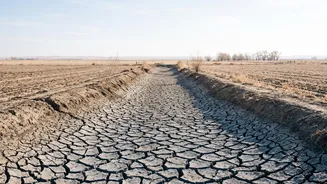
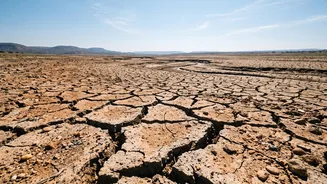
The IRSA Advisory Committee has confirmed a projected water deficit of 22% for the Rabi season, which runs from October 2026 to March 2027. This season is critical for Pakistan's food security as it includes the primary wheat crop, alongside others like
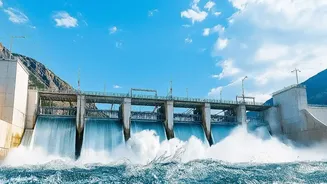
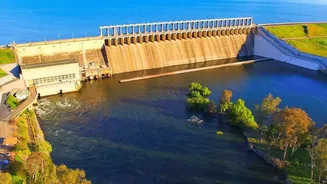
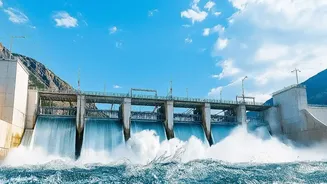
gram and lentils. The shortage is a direct result of lower-than-expected river inflows during the preceding Kharif season and reduced water levels in the country's main reservoirs. Water storage on September 30 was recorded at 9.343 million acre-feet (MAF), significantly lower than the 13.214 MAF available at the same time last year. The shortfall will be borne entirely by Punjab and Sindh, as the provinces of Balochistan and Khyber Pakhtunkhwa are exempted from cuts under the existing water-sharing agreement.
High Stakes for the Agricultural Heartland
Punjab and Sindh form the backbone of Pakistan's agriculture, a sector that employs nearly 40% of the labour force and contributes roughly a fifth of the nation's GDP. More than 80% of this agriculture depends on the Indus Basin's irrigation network. A 22% cut in water supply poses a direct threat to crop yields. Farmers may be forced to plant less or rely on unsustainable groundwater extraction, which is already depleting aquifers at an alarming rate. The situation has sparked serious concerns about national food security, especially after last season's wheat harvest already fell short of its target. The economic pressure is already visible, with flour prices in September showing a year-on-year increase of over 30%.
Domestic Factors and Delays
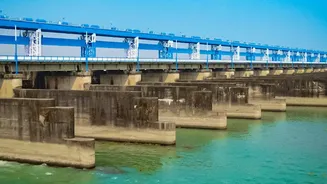
While cross-border water issues often dominate headlines, IRSA has pointed to several domestic factors contributing to the current crisis. One major issue has been the delay in completing key infrastructure projects by the Water and Power Development Authority (WAPDA). Specifically, IRSA noted that over three million acre-feet of water could not be stored at Tarbela Dam due to ongoing construction work for the Tarbela 4th and 5th Extension projects. These delays, which have been criticized by the water regulator, have been aggravating water shortages for the provinces. Furthermore, IRSA is also implementing a planned annual closure of the Chashma Barrage for maintenance from late December 2026 into January 2027, which is factored into the seasonal water management plan.
The Shadow of the Indus Treaty
The water deficit arrives amid a complex geopolitical stalemate. The Indus Waters Treaty (IWT) of 1960, which governs the sharing of the Indus system's rivers between India and Pakistan, has been held 'in abeyance' by India since April 2025, following a terror attack. Pakistan has contested this move, and the Permanent Court of Arbitration (PCA) in The Hague recently ruled that the treaty remains in force and cannot be unilaterally suspended. However, India has rejected the court's jurisdiction, calling the body 'illegally constituted' and maintaining that its stance is linked to concerns over cross-border terrorism. This deadlock over the treaty, which has successfully navigated wars and decades of tension, adds a layer of uncertainty and diplomatic friction to Pakistan's pressing water management challenges. While domestic factors are the primary cause of the current deficit, the unresolved status of the IWT looms over the region's long-term water security.