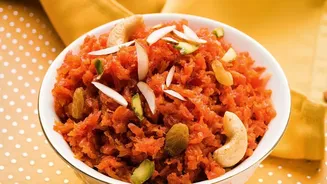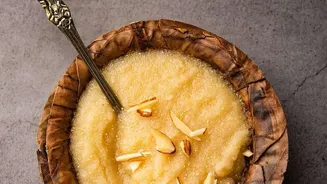

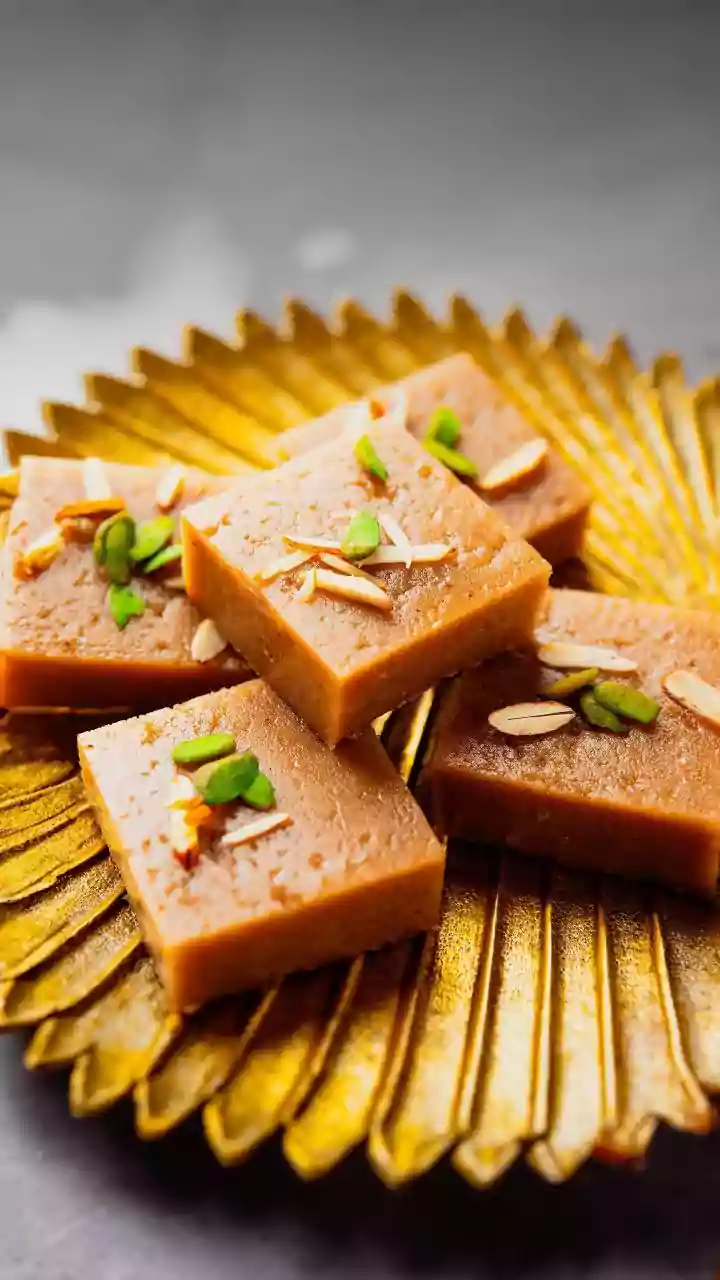
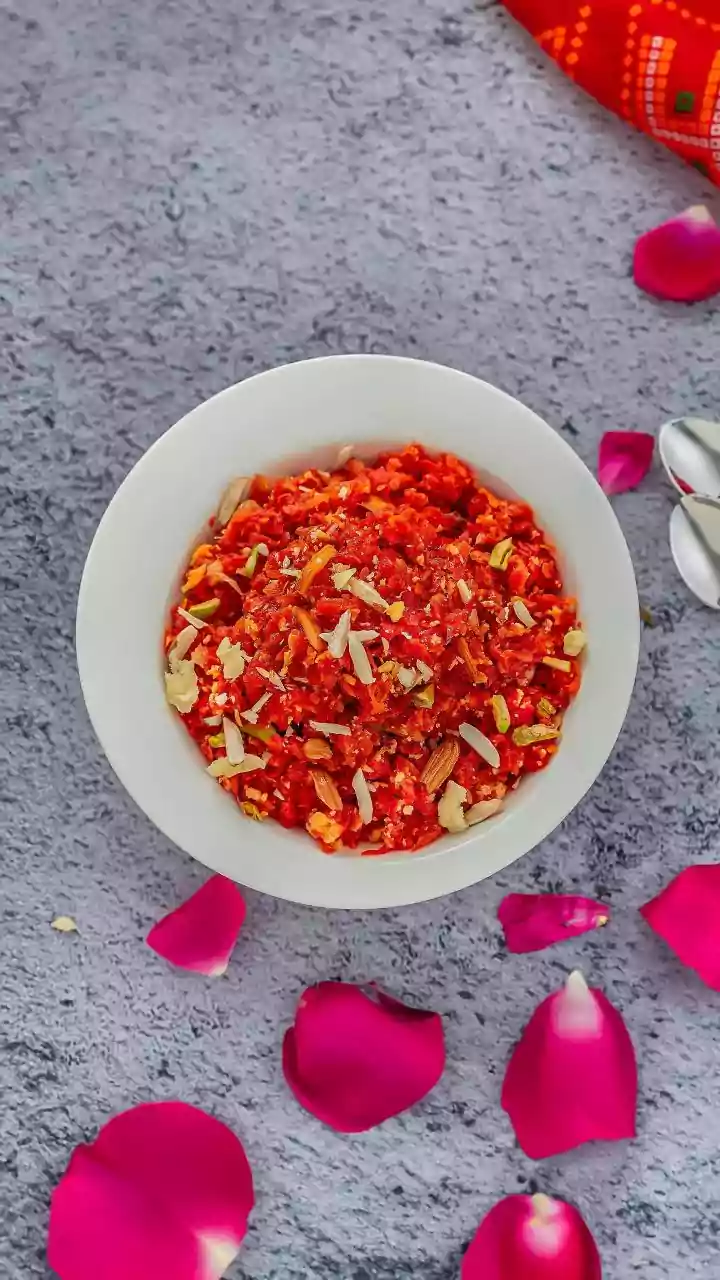


A Surprising Fasting Favourite
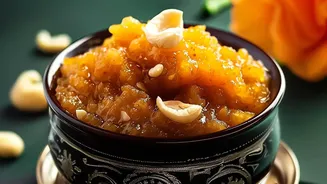
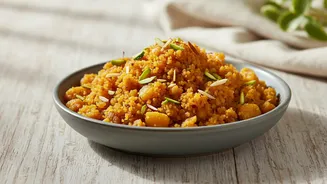
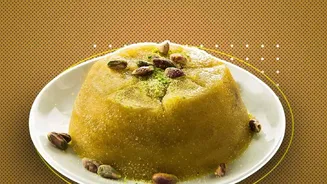
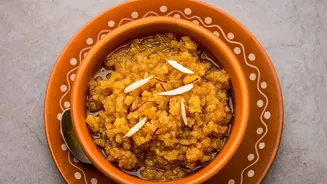
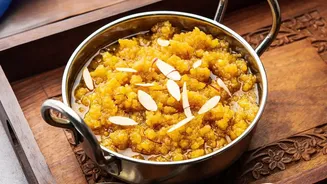
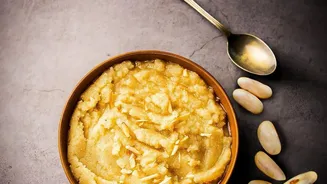
Aloo ka Halwa, or potato halwa, is a beloved dessert, especially popular in North India. While it might sound unusual, the humble potato transforms into a sweet pudding with a uniquely smooth, glossy texture that is utterly irresistible. Its preparation
without any grain flour makes it a perfect dish for religious fasting periods like Navratri or Ekadashi, when grains are traditionally avoided. The starch from the potatoes, combined with sugar and ghee, provides a welcome energy boost, making it a fulfilling and satisfying 'vrat ka khana'. Beyond fasting, it's also a fantastic naturally gluten-free dessert for anyone to enjoy.
Assembling Your Ingredients
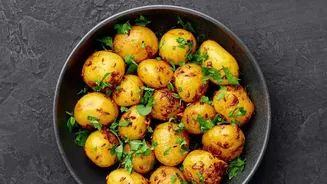
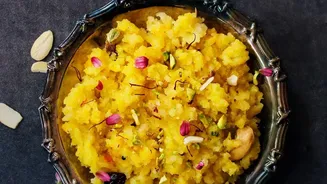
One of the best parts of this recipe is its simplicity and the use of readily available ingredients. You won't need a long shopping list for this delightful treat. You will need about four to five medium-sized potatoes, which should be boiled until soft, then peeled and mashed or grated. Ghee, or clarified butter, is crucial for the authentic flavour and aroma, so be generous. For sweetness, you'll need sugar, which can be adjusted to your personal taste. A splash of milk is often added to create a creamier consistency. To finish, a pinch of green cardamom powder provides a beautiful fragrance, while chopped nuts like almonds, cashews, or pistachios add a welcome crunch.
The Step-by-Step Method
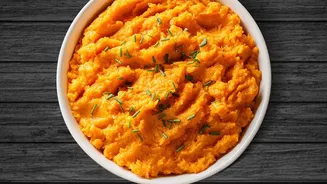
Begin by pressure cooking or boiling the potatoes until they are completely cooked through. Once they are cool enough to handle, peel and grate or mash them smoothly, ensuring there are no lumps. Next, heat a generous amount of ghee in a heavy-bottomed or non-stick pan. Add the mashed potatoes and begin to sauté them on a medium-low flame. This is the most important step and requires patience. Keep stirring continuously as the potato cooks in the ghee. You'll notice the mixture slowly changing colour to a light golden brown and releasing a wonderful aroma. This roasting process can take about 10 to 15 minutes.
Achieving the Perfect Sweetness and Texture
Once the potato mash is well-roasted and aromatic, it's time to add the sugar. As you stir, the sugar will melt, and the mixture will become somewhat runny. Don't worry, this is normal. Continue to cook, stirring constantly. If you're using milk, you can add it at this stage along with the sugar. The halwa will begin to thicken again and pull away from the sides of the pan. You'll know it's ready when the mixture becomes glossy and you can see the ghee starting to separate from the sides—a sign of a perfectly cooked halwa. Finally, turn off the heat and stir in the cardamom powder and your choice of chopped nuts.
Tips for a Flawless Halwa
For the best results, use starchy potatoes. The key to a great Aloo Halwa is the 'bhunai' or the roasting process. Sautéing the mashed potato in ghee until it changes colour is essential for developing the deep, nutty flavour. Don't rush this step. Using a non-stick or heavy-bottomed pan is highly recommended to prevent the halwa from sticking and burning. Feel free to experiment with the garnishes. A few strands of saffron soaked in warm milk can be added for a beautiful colour and aroma. You can also add raisins along with the other nuts for a different texture and sweetness. Serve the halwa warm to best enjoy its rich flavour and comforting texture.