



The Myth of Guaranteed Unrest
It’s an intuitive and often-told story: soaring food prices lead directly to social instability. We’ve seen headlines suggest as much for years, and several academic studies have found a correlation between food price spikes and a greater probability
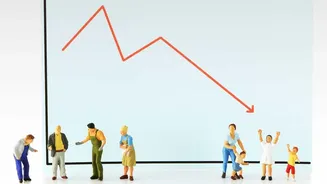
of riots and unrest. This narrative is appealing because it makes simple sense. For billions of people, rice is life. When its price suddenly jumps, household budgets are squeezed, and desperation can set in. The idea that this economic pain automatically translates into political anger is a powerful one. However, this cause-and-effect relationship is far from guaranteed. While price is a trigger, it is rarely the sole cause. Research shows that while food prices can ignite protests, the underlying causes often relate to long-standing economic or political grievances. Simply looking at a price chart and predicting conflict is a flawed approach; the real story is what happens between the market and the street.
Beyond the Price Tag
The journey from a high price to a protest is complicated by several crucial factors. Government policy is perhaps the most significant. Actions like India's ban on non-basmati white rice exports, implemented to control domestic prices, can drastically alter the market. While intended to ensure local availability, such bans can cause panic and inflate prices for billions of consumers in other countries, particularly in Africa and other parts of Asia that rely on Indian rice. Furthermore, the existence of social safety nets, such as public distribution systems and food subsidies, can cushion the population from the immediate shock of price hikes. The stability of supply chains, the influence of market speculators, and the overall health of the economy also play a vital role. Economic shocks, climate events, and conflict itself are all key drivers that can destabilize food systems independently of a simple price increase.
A Tale of Two Wallets
A critical flaw in the simple price-to-conflict narrative is that a price increase doesn't affect everyone equally. For the urban consumer who buys rice from the market, a price hike is a direct hit to their daily budget. This group is often the most visible in street protests. However, for the millions of farmers who grow and sell rice, higher prices can mean higher incomes. This creates a fundamental tension: what is bad for the urban poor might be good for the rural producer. This dynamic complicates any unified popular anger. A government trying to manage the situation is caught in a difficult balancing act. Keeping prices low for consumers can mean suppressing the income of farmers, a huge political constituency in a country like India. Conversely, allowing prices to rise to benefit farmers risks angering the urban population. Understanding who wins and who loses from price changes is essential to gauging the true potential for widespread unrest.
From Local Markets to Global Tensions
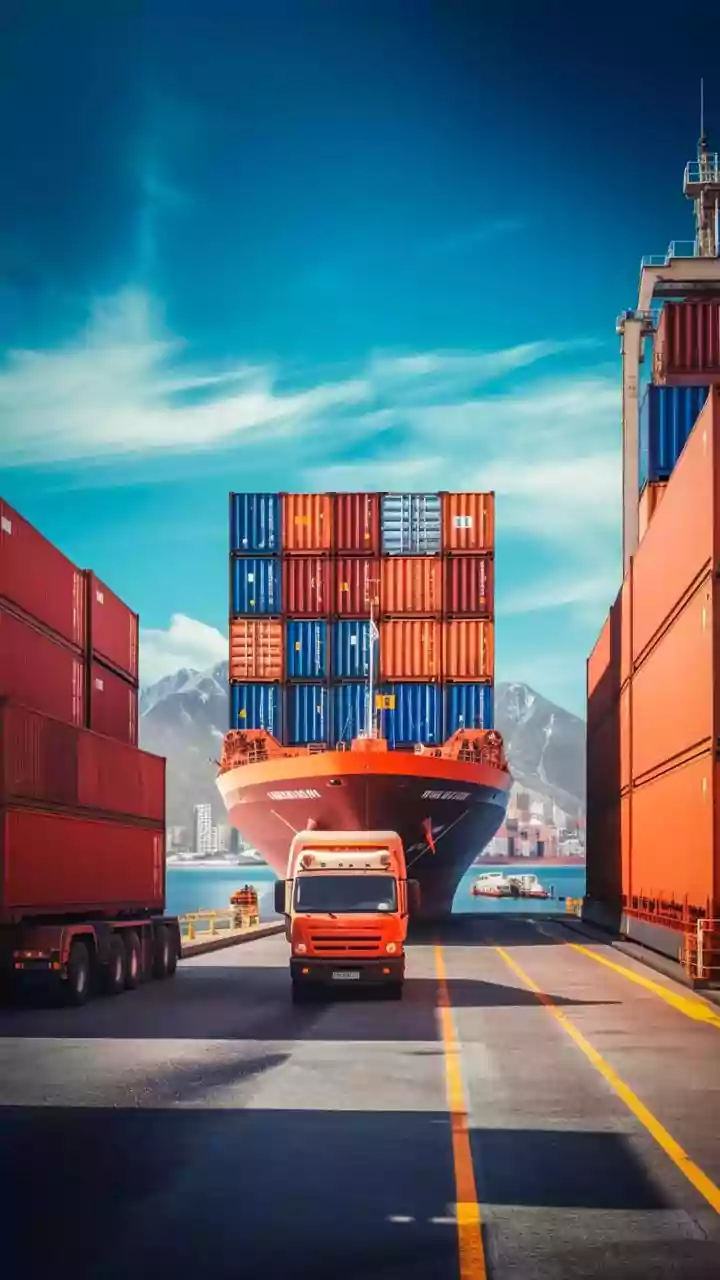
The story also expands beyond domestic borders. As the world's largest rice exporter, India's policies have massive global consequences. An export ban might stabilize prices at home but can trigger an affordability crisis abroad, creating diplomatic friction with nations that depend on those supplies. Recent analysis from the World Bank and other organizations highlights how geopolitical events, like conflict in the Middle East, can disrupt shipping and increase costs for fertilizer and fuel, which in turn pressures food prices globally. These international pressures can then circle back to affect domestic markets. Therefore, a smarter reading of the situation involves not just local prices but also global supply chains, international relations, and the ripple effects of conflicts and policy decisions made thousands of miles away.
What to Watch Instead
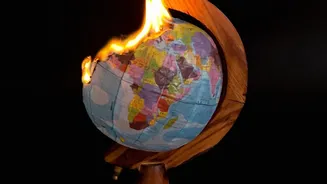
Instead of focusing solely on the daily price of rice, a more accurate reading requires watching a different set of indicators. The level of government grain reserves is a crucial buffer. The effectiveness of public distribution systems determines whether that buffer can reach those in need. The relationship between rural wage growth and food inflation tells you whether producers are keeping pace. And most importantly, the existing political climate matters. Food price anger is most likely to explode into significant conflict when it taps into pre-existing frustrations with governance, corruption, or lack of opportunity. Social unrest is rarely about just one thing. A price spike might be the match, but the combustible material is almost always a deeper set of societal grievances.