



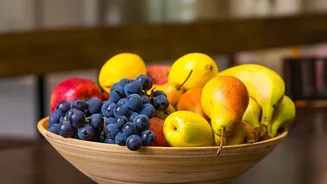
The Invisible Culprit: Ethylene Gas
The phenomenon of one fruit influencing another isn't a kitchen myth; it's science. At the heart of this process is a colourless, odourless plant hormone called ethylene gas. Many fruits naturally produce and release this gas as they mature. Think of it as a signal.
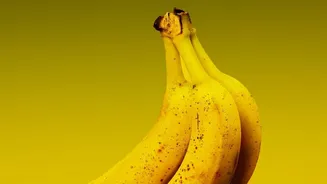
When a fruit releases ethylene, it's telling itself and its neighbours that it's time to ripen. This is why you might notice that fruits in a bunch tend to ripen together. This process involves the fruit getting softer, its colour changing, and starches converting into sugar, making it sweeter and more delicious.
Meet the Ethylene Producers
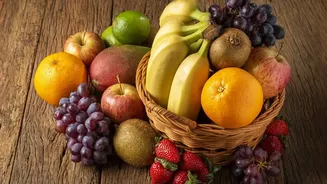
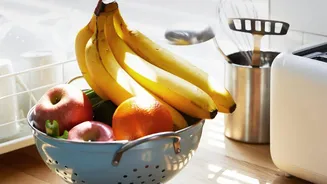
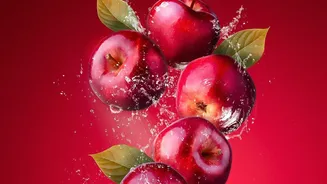
Not all fruits are created equal when it comes to ethylene. Some are prolific producers, while others produce very little. Apples are one of the most well-known high-ethylene producers. As an apple ripens, it releases a steady stream of this gas into its surroundings. Other powerful producers include avocados, peaches, pears, cantaloupes, and even tomatoes. Even bananas themselves produce ethylene, which is why one ripening banana in a bunch can trigger the rest to follow suit quickly. This is a natural part of their life cycle, helping to ensure seeds are ready for dispersal when the fruit is at its peak.
The Sensitive Bunch
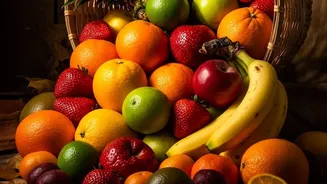
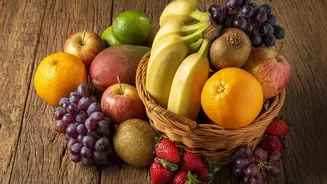
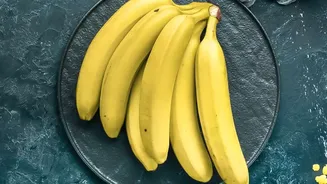
Just as some fruits are big producers, others are highly sensitive to ethylene. Bananas are famously sensitive, which is why storing them next to an apple has such a dramatic effect. The ethylene gas from the apple acts as a powerful external signal, telling the banana to accelerate its own ripening process dramatically. But bananas aren't alone. Other ethylene-sensitive produce includes kiwis, melons, broccoli, leafy greens, and cucumbers. Storing these sensitive items next to a high-ethylene producer like an apple can cause them to yellow, soften, and spoil much faster than they would on their own.
Harnessing the Power of Ethylene
You can use this knowledge to your advantage. Need to ripen an avocado for your evening meal? Place it in a paper bag with an apple or a ripe banana. The bag will trap the ethylene gas, creating a concentrated ripening chamber and speeding up the process significantly. This trick works for peaches, plums, and pears that are a bit too firm. A paper bag is better than plastic because it allows for some air circulation and prevents moisture from building up, which can lead to mould.
Slowing Things Down
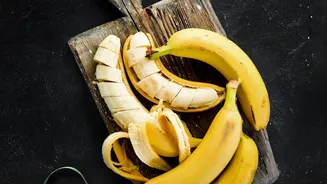
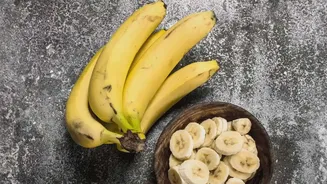
Conversely, if you want your produce to last longer, the key is separation. Store your high-ethylene producing fruits like apples away from ethylene-sensitive ones like bananas and leafy greens. Keeping apples in the crisper drawer of your refrigerator can help contain the gas and also extends their own shelf life. For bananas, you can try separating them from the bunch and wrapping the stems in a bit of plastic wrap. While debated, the theory is that this can slow the release of ethylene from the stem, giving you an extra day or two before they become overripe. Once bananas are perfectly ripe, you can move them to the fridge. The skin will turn dark, but the fruit inside will remain fresh and edible for a few more days.