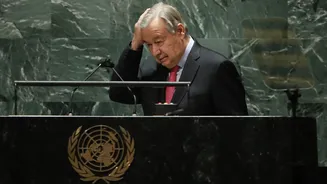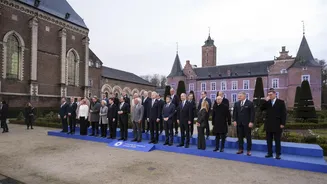








The COP31 climate summit in Antalya, Türkiye, has concluded after running a record-breaking two days into overtime. While some progress was made, the talks ultimately failed to secure a consensus agreement on the most critical issues.
The Core Conflict: Fossil Fuels
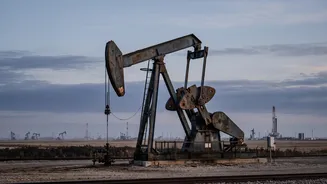
The primary reason
for the summit's failure to produce an overarching agreement, known as the 'Antalya Pact', was a deep and irreconcilable division over the language concerning fossil fuels. An early draft of the agreement called for an accelerated transition away from fossil fuels, which scientists agree is necessary to meet climate goals. However, this language was removed from later drafts following strong opposition from a group of oil and gas-producing nations, reportedly including Saudi Arabia and Russia. This led to a standoff. A coalition of over 90 countries, including the European Union, the UK, and many climate-vulnerable island and developing nations, refused to endorse a final text that did not explicitly address the phasing out of fossil fuels, the main driver of climate change. They argued that accepting a deal without this acknowledgement would be a step backward from previous commitments and a 'greenwashing' of the central problem.
The Unresolved Matter of Money
The second major stumbling block was climate finance. Developing nations came to Antalya demanding clear commitments from wealthy countries on funding to help them adapt to climate impacts and transition to clean energy. A key demand was to put a concrete number on the pledge made at a previous summit to triple adaptation finance, with many pushing for a target of $120 billion annually by 2035. However, developed nations resisted making measurable commitments. Talks over the Loss and Damage Fund, established to help vulnerable countries cope with irreversible climate disasters, also stalled. Developing countries pointed out the deep inadequacy of the fund, which has received requests totalling around $2.8 billion but has only been able to allocate a fraction of that amount. The failure to make progress on finance created a significant breakdown in trust, with many poorer nations feeling their urgent needs were being ignored by the countries historically most responsible for emissions.
What Was Actually Achieved?
Despite the high-profile failure to agree on a final pact, the summit was not a total collapse. Several smaller, more technical agreements were adopted. There was progress on creating a framework for a 'just transition', meant to help workers and communities move away from fossil fuel-based economies. There was also a notable focus on electrification. Around 90 countries endorsed a voluntary goal to increase electricity's share of global final energy use to 35% by 2035, a push championed by the Turkish and Australian co-presidencies. Furthermore, a number of voluntary partnerships on issues like cutting methane emissions and protecting forests were announced outside the main negotiating rooms. These individual agreements and coalitions show that momentum for climate action continues, even when the formal UN process is deadlocked.
Pressure Mounts for COP32
The failure to resolve the big questions in Antalya means they are now pushed onto the agenda for the next summit, COP32, which will be held in Addis Ababa, Ethiopia. This raises the stakes considerably. The lack of consensus has been called a victory for multilateralism by some, who argue that 'no deal is better than a bad deal'. They believe the rejection of a weak text sent a strong signal that ignoring the science on fossil fuels is no longer acceptable to a majority of the world's nations. However, the impasse also highlights the fragility of the UN's consensus-based process, where a small number of states can block progress for all. As climate impacts intensify globally, the pressure on Ethiopia to broker a breakthrough on the very issues that broke the Antalya talks will be immense.