




Redefining the Red Planet
The search for life beyond Earth has long been guided by a simple mantra: follow the water. For years, this meant looking for planets in the 'Goldilocks Zone' — a region around a star where it's not too hot and not too cold for liquid water to exist on the surface.
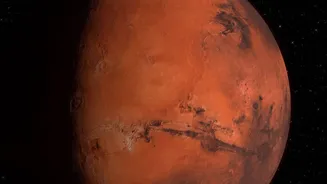
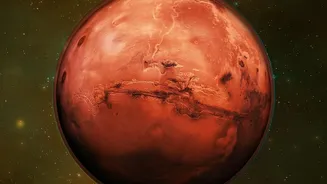
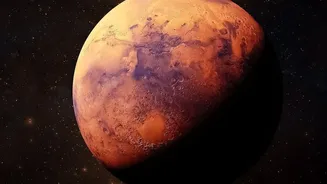
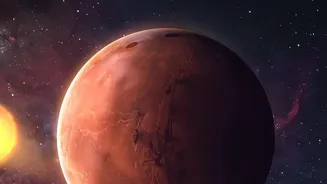
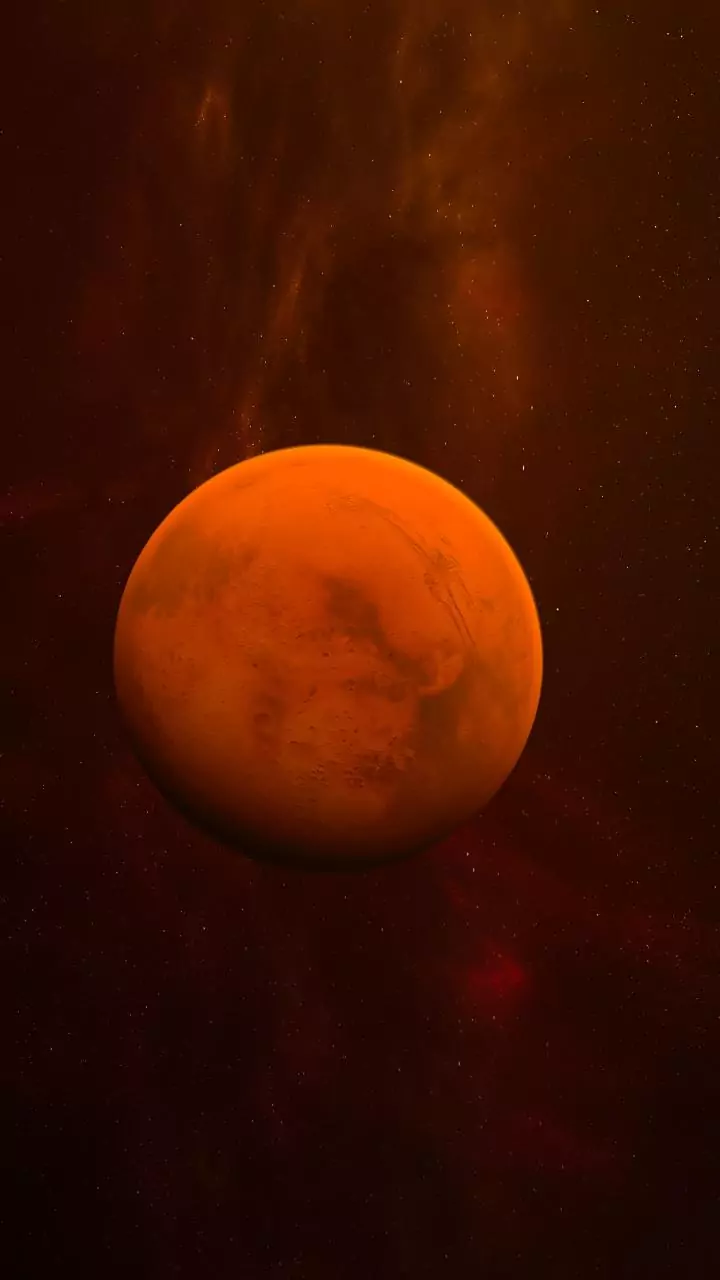
A groundbreaking new study, however, suggests we’ve been looking with blinders on. The research, based on seismic data and thermal modeling, proposes that Mars, despite its frigid surface, could have sustained liquid water deep underground. This water would not be from ancient rivers, but from subsurface ice sheets melted by the planet's own internal heat, a process known as geothermal heating. This finding fundamentally challenges our assumptions, suggesting that habitability isn't just a surface-level phenomenon.
Beyond the Goldilocks Zone
The classic model of a habitable planet involves a world much like our own: a rocky surface, a significant atmosphere, and stable liquid water. Mars, today, fits none of these criteria. Its thin atmosphere and freezing temperatures mean any liquid water on the surface would quickly boil away or freeze. But the new study shifts the focus from the surface to the subsurface. It proposes that billions of years ago, when the Sun was fainter, radioactive elements within Mars's core could have generated enough heat to create vast, long-lived underground reservoirs of liquid water. These environments, shielded from the harsh radiation bombarding the Martian surface, could have provided a stable refuge for potential life to emerge and evolve. This suggests the true habitable zone of a planet may extend deep beneath its crust.
The Subsurface Secret
So, how would this work? The process is called basal melting. Imagine a thick ice sheet, several kilometers deep. While the surface remains frozen solid, the planet's internal geothermal heat, radiating upwards from the core, could warm the bottom layer of the ice above its melting point. The immense pressure from the overlying ice would also help keep the water in a liquid state. Furthermore, the presence of salts, which are known to exist in Martian soil, would lower the freezing point of this water, creating a briny liquid that could persist even at temperatures below zero degrees Celsius. On Earth, similar subglacial lakes exist in Antarctica, hosting entire ecosystems of microbes that thrive in the cold and dark, completely isolated from the surface world. The new study suggests Mars could have hosted similar, or even more extensive, subsurface aquatic environments.
Wider Cosmic Implications
The implications of this study are enormous and extend far beyond Mars. If a planet considered 'dead' could harbor potentially habitable niches, then our galaxy might be far richer with life-sustaining real estate than previously thought. There are countless rocky worlds outside the traditional Goldilocks Zone that have been dismissed as too cold and sterile. This research opens the door to reconsidering them. Planets that lack plate tectonics or a thick atmosphere might still generate enough internal heat to support subsurface biospheres. The search for extraterrestrial life, therefore, is no longer just a hunt for 'Earth 2.0'. It's now a search for any world with the right internal geological conditions, dramatically increasing the number of potential targets for astrobiologists.
A New Roadmap for Exploration
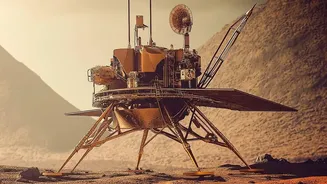
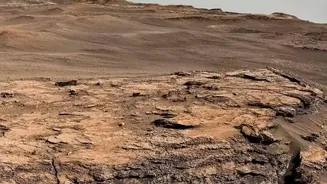
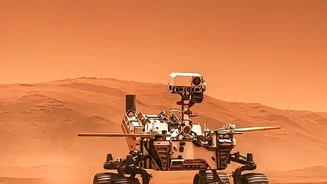
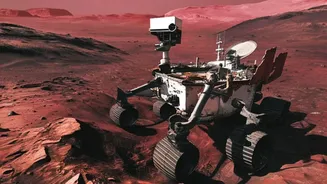
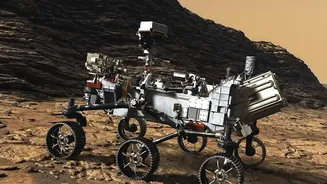
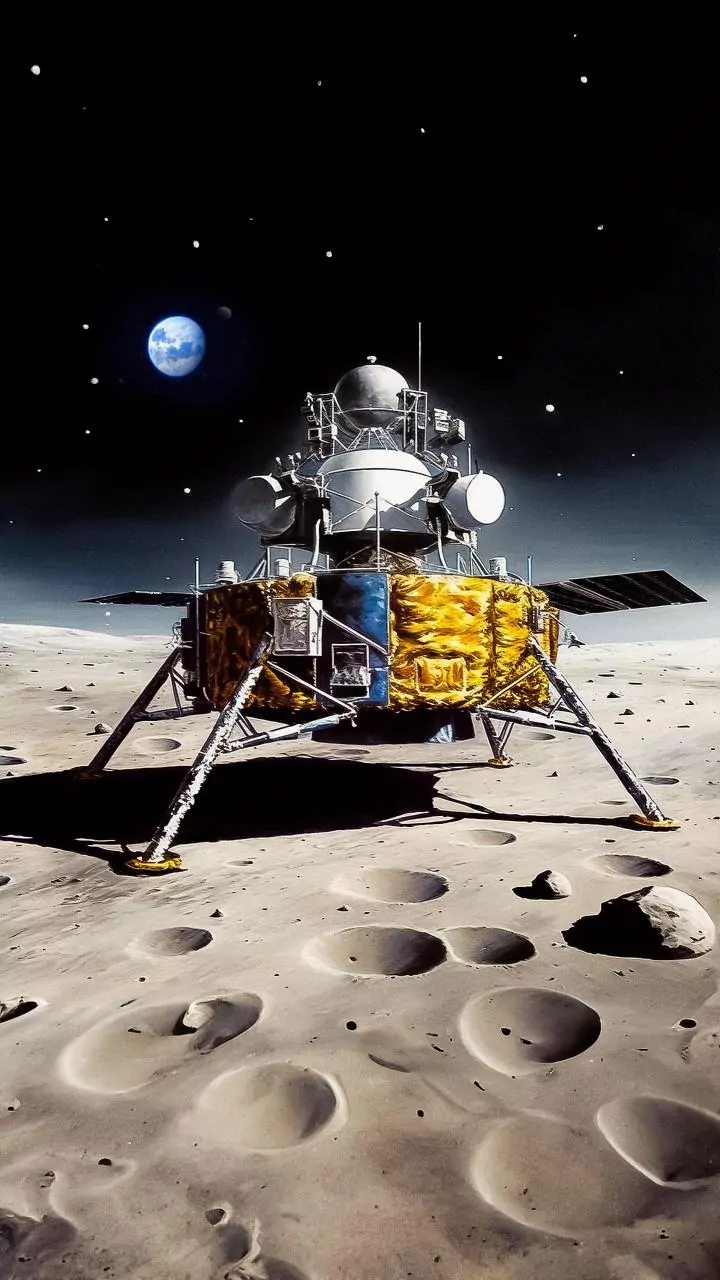
This paradigm shift also provides a new roadmap for future Mars exploration. While rovers like Curiosity and Perseverance have done incredible work analyzing the surface for signs of past water, this study argues that to find evidence of life, we may need to dig deep. Future missions could be equipped with drills capable of penetrating kilometers beneath the Martian crust to sample these potential subglacial reservoirs. NASA's InSight lander, which studied Mars's internal heat flow, has already provided data supporting the possibility of a geothermally active past. The hunt for life on Mars is transitioning from a surface-level archaeological dig to a deep geological survey, searching for oases hidden far from the sun.