






Why Roots Can’t Breathe in Wet Soil
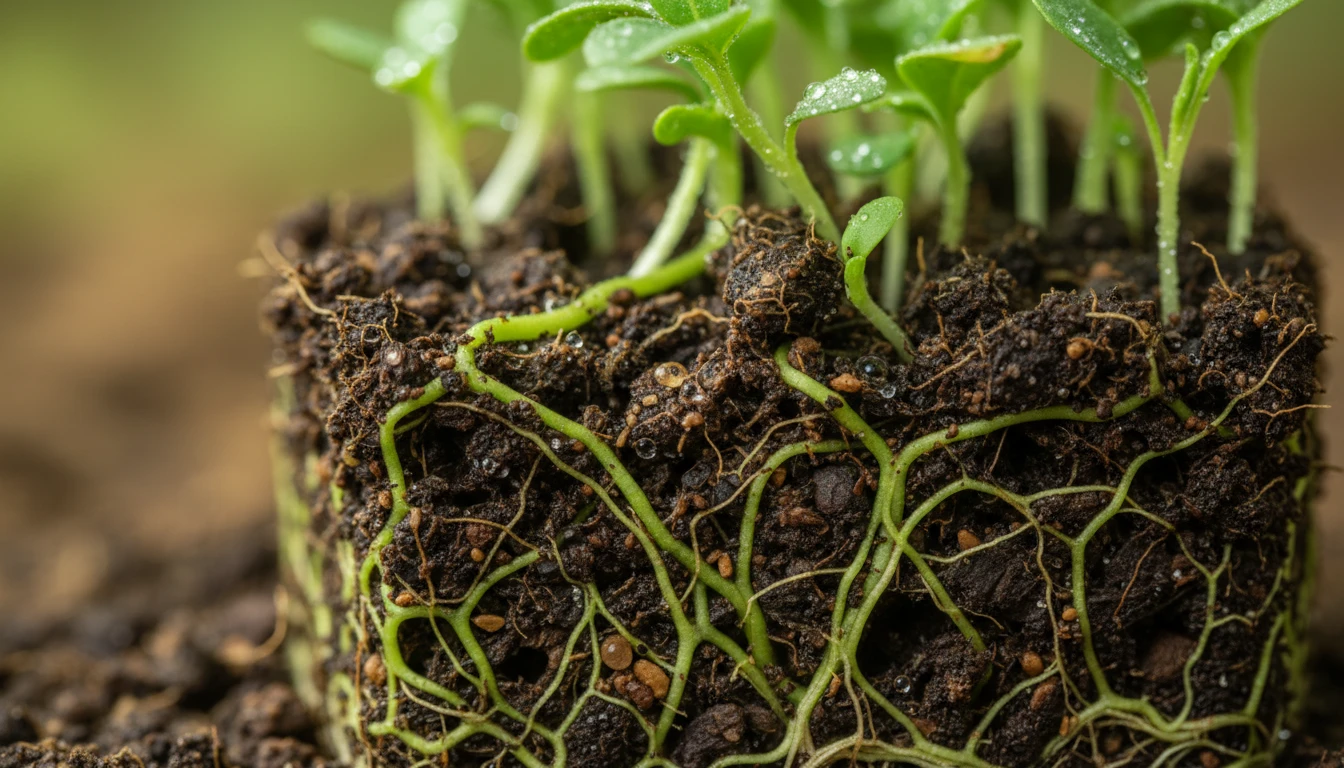
We often focus on watering plants, but it's easy to forget that roots need to breathe. Just like us, plants undergo respiration to convert food—sugars produced in the leaves—into energy for growth. This vital process requires oxygen. In healthy soil,
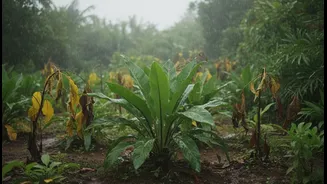
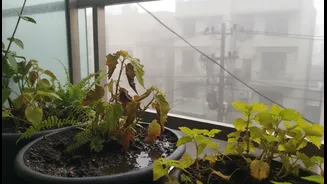
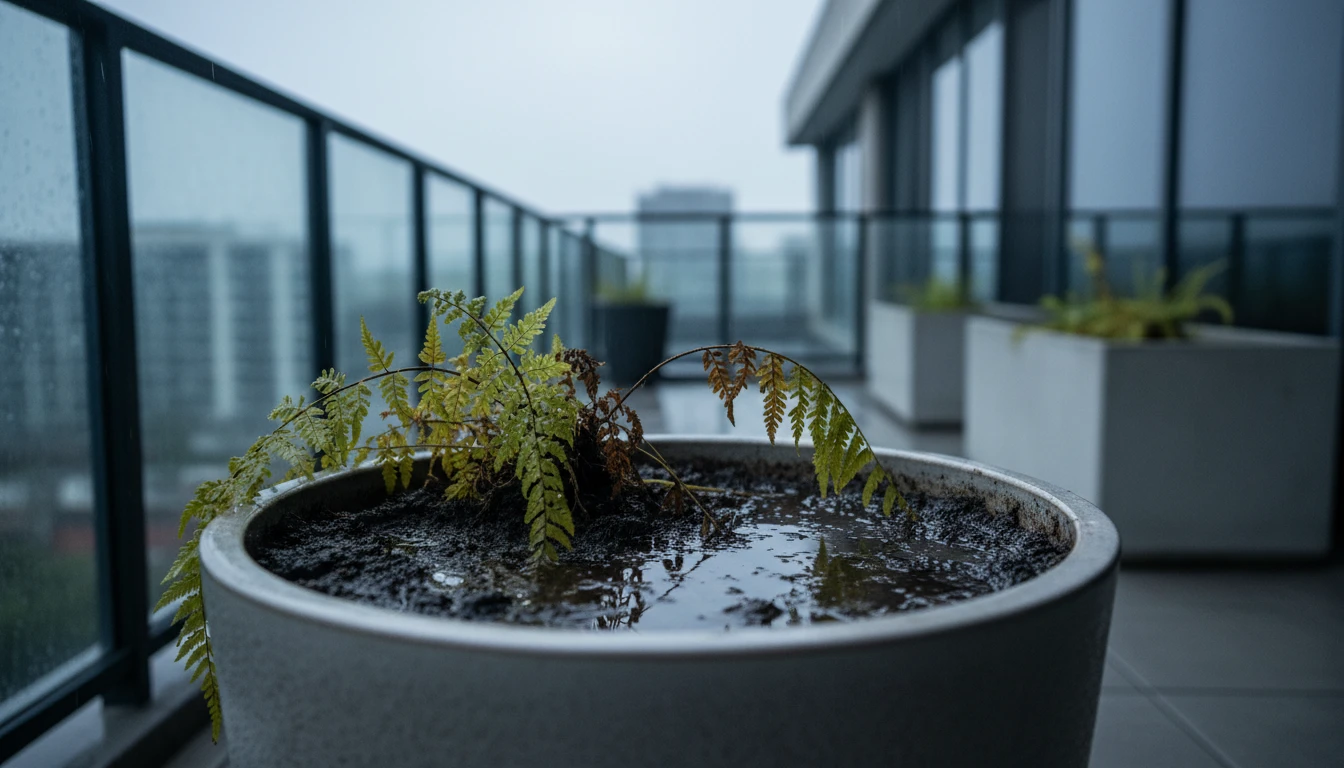
tiny air pockets between soil particles supply this oxygen to the roots. During the monsoon, however, continuous rain can saturate the soil in pots, filling these air pockets with water. This waterlogging effectively drowns the roots, depriving them of the oxygen they need to function and produce energy. Without oxygen, root cells can't absorb water or nutrients efficiently, and the plant begins to decline.
Recognising the Danger Signs
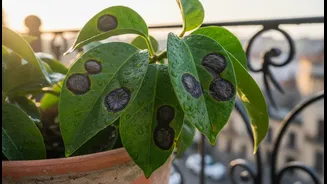
An overwatered plant can often look like one that is thirsty, which can be confusing. The most common sign is yellowing leaves, especially the lower ones, that feel soft and limp rather than dry and crispy. Another paradoxical symptom is wilting, even when the soil is visibly wet. This happens because the damaged, oxygen-starved roots can no longer absorb water to send to the leaves. Other red flags include brown spots on leaves, a mushy stem base, or a sour, rotten smell coming from the soil. The presence of tiny black flies, known as fungus gnats, is also a classic sign of overly damp soil, as they thrive in such conditions.
The Foundation: A Well-Draining Potting Mix
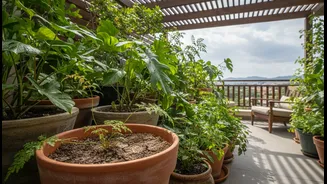
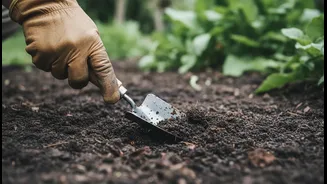
Preventing soggy soil starts with the right foundation. Using regular garden soil in pots is a common mistake, as it tends to become heavy and compacted, holding too much water. The ideal potting mix for balcony containers, especially during the monsoon, is light and airy. A reliable homemade recipe for most plants is a balanced blend of garden soil, compost or vermicompost, and a material that improves drainage, like coarse sand or perlite. A popular ratio is 40% garden soil, 30% compost, and 30% cocopeat or sand. Cocopeat helps retain some moisture while keeping the mix light, and sand or perlite creates air channels, allowing excess water to drain away freely and preventing root suffocation.
Practical Monsoon Care Strategies
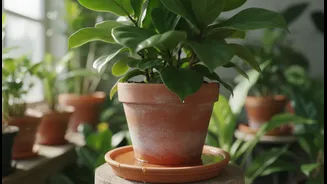
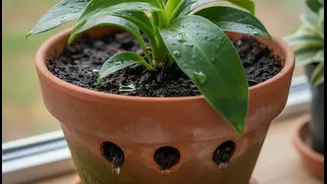
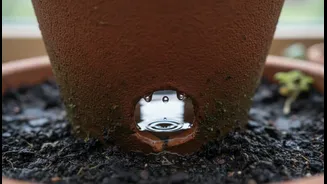
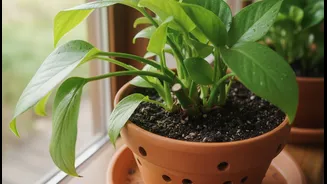
During the rainy season, adjusting your care routine is crucial. First, stop watering on a fixed schedule. Always check the soil first by inserting a finger a few inches deep; if it feels damp, don't water. Second, ensure every pot has clear, unobstructed drainage holes. It's a good idea to elevate your pots on bricks or plant stands, which prevents them from sitting in a puddle of water and allows air to circulate underneath. Remove the saucers or trays from under pots during heavy rains to prevent water from collecting. For delicate plants like succulents or some flowering varieties, consider moving them to a covered area where they are shielded from direct, heavy downpours.
Managing Pests and Diseases
The high humidity of the monsoon creates a perfect breeding ground for fungal diseases and pests. Powdery mildew and fungal spots on leaves are common. To combat this, ensure there is good air circulation between your plants by not crowding them together. Regularly prune any dead or yellowing leaves and decaying flowers to improve airflow and prevent the spread of disease. A preventive spray of neem oil solution every 10 to 14 days can be highly effective against both common pests and fungal issues that thrive in the damp conditions.