
A Glimpse Into a Star's Future
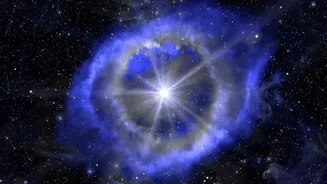
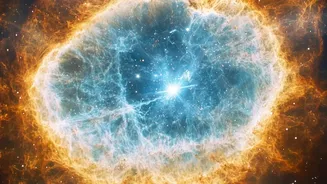
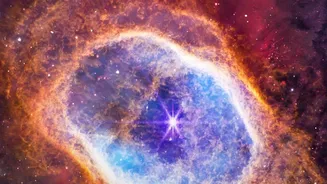
Known to astronomers as NGC 2392, the Lion Nebula is what's called a planetary nebula. This doesn't have to do with planets, but rather the fate of stars similar in mass to our own Sun. When these stars run out of nuclear fuel, they become unstable and
shed their outer layers of gas and dust into space. What remains is an incredibly hot and dense stellar core called a white dwarf, which illuminates the expanding cloud of material it previously cast off. This process creates the beautiful, glowing structures that Webb has now captured in incredible detail. For astronomers, the Lion Nebula is a snapshot of the cosmic circle of life, and it even offers a preview of what will happen to our own Sun billions of years from now.
The Dying Star at the Center
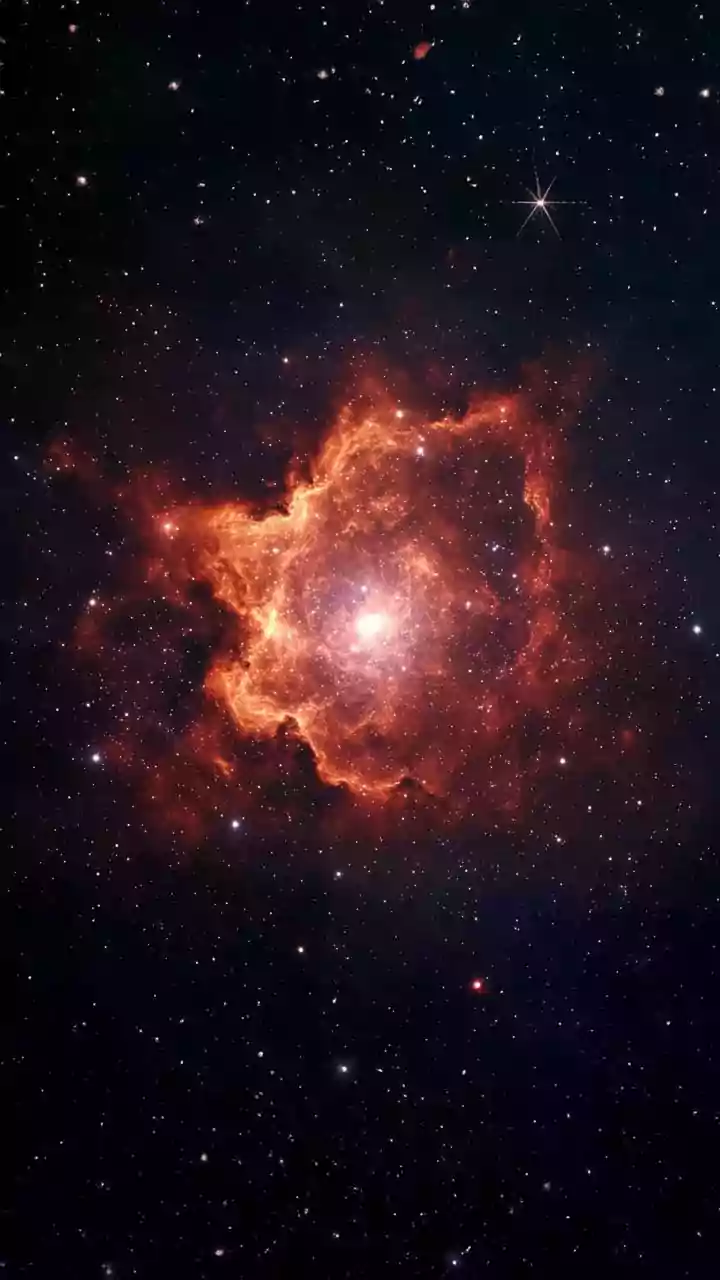
At the heart of the Lion Nebula is the culprit behind its magnificent structure: a dying star that now exists as a white dwarf. Though it looks like a simple button nose in the center of the lion's 'face', this stellar remnant is fiercely energetic. It pours intense radiation into the surrounding gas, heating it and causing it to glow. This outflow of energy is actively sculpting the nebula, creating a bubble of expanding, ionized gas that forms the lion's facial features. The process is a slow but powerful one, as the star's final act continues to shape the gas and dust it expelled thousands of years ago.
What Webb Sees Differently
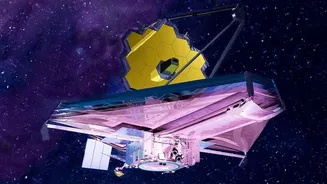
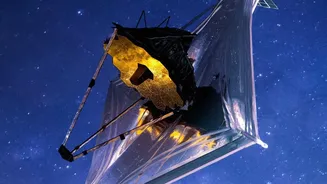
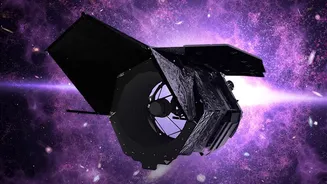
While the Hubble Space Telescope gave us our first detailed look at the Lion Nebula in 2000, the James Webb Space Telescope's infrared vision pierces through the cosmic dust to reveal what was previously hidden. Webb's NIRCam (Near-Infrared Camera) and MIRI (Mid-Infrared Instrument) highlight features that are harder to see in visible light. The new portrait brings out the intricate filaments of the lion's 'mane' with stunning clarity. These are not just hazy structures; they are dense clumps of dust that have so far survived the intense radiation from the central white dwarf. In a way, these clumps act as shields, protecting the material behind them from being blown away.
A Story Written in Dust and Gas
The fresh context provided by Webb is all about the interaction between the dying star and its surroundings. The image shows how the expanding bubble of gas is destroying some dust in its path while other, denser clumps manage to survive. This helps scientists study how planetary nebulae get their complex shapes, with rings and shells that are common but not fully understood. By capturing the nebula in this moment, Webb allows astronomers to analyze the physical conditions and refine their models of stellar evolution. Essentially, Webb is reading a story written in dust and gas, telling us about the final, dramatic chapters of a star's life and how it enriches the universe by releasing elements like carbon and oxygen into space for future generations of stars and planets.