






Look for Vibrant Colour
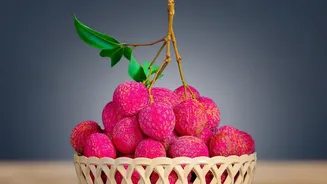
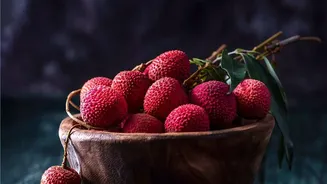
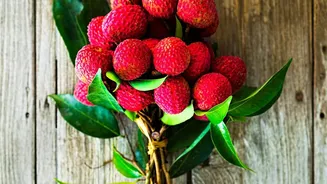
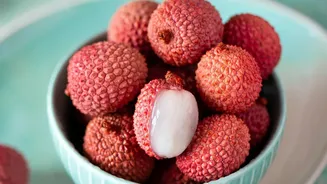
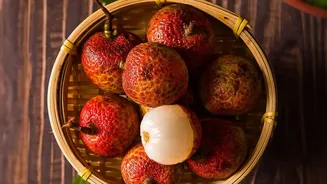
Your eyes are the first tool in spotting a great lychee. Look for a vibrant, rich colour. For most common varieties, this means a bright red or deep pink skin. Some varieties might have a yellowish or orange tint, and that's perfectly fine. The key is brightness.
A dull, dark, or brown skin often signals that the fruit is old and has started to decompose. Avoid lychees with large brown patches or any signs of black mould, especially near the stem, as these are clear indicators of spoilage. A little browning can happen during refrigeration, but a fresh one at the market should look radiant and inviting.
The All-Important Touch Test
This is where the headline's advice comes into play. Pick up a lychee; it should feel surprisingly heavy for its small size. This weight is a promise of the dense, juicy flesh inside. Now, gently press on the shell. A perfectly ripe lychee should have a little give, feeling firm but slightly springy under your thumb. If it feels rock-hard, it's likely unripe and won't be as sweet or flavourful. On the other hand, if it feels mushy, soft, or wet, the fruit is overripe and has probably started to ferment or rot. Avoid any that are leaking juice or have cracks in their bumpy shell.
A Sweet, Floral Scent
Don't be shy—bring the fruit close and take a sniff. A ripe, fresh lychee will have a delicate, sweet, and floral fragrance. It’s a clean aroma that hints at the delicious taste to come. If you detect a sour, acidic, or fermented smell, similar to vinegar, put it back immediately. That's a sign that the fruit has started to spoil. A complete lack of scent might mean the lychee isn't fully ripe, as the aroma develops along with the sugars. Trust your nose; it's an excellent guide to freshness.
A Quick Guide to Indian Varieties
India is the world's second-largest producer of lychees, with the season typically running from May to late June. The fruit from Bihar's Muzaffarpur region is especially famous. Some popular varieties you might encounter include the 'Shahi', known for its large size and rich, rosy aroma. The 'China' variety is also a commercial favourite, known for being tolerant to hot weather. You may also see 'Dehradun', 'Gulabi', or 'Calcutta' (Kalkattia) lychees, which ripen a bit later in June and are prized for their sweetness. Knowing the variety can help you understand subtle differences in shape and colour.
Storing Your Lychees Correctly
Once you've brought home your perfect haul, proper storage is key to preserving their flavour. Lychees don't continue to ripen after being picked. If you plan to eat them within a day or two, they can be kept at room temperature. For longer storage, place them in a plastic bag or a sealed container in the refrigerator, where they can last for up to a week, or sometimes two. It's a good idea to place a paper towel in the bag to absorb excess moisture. Don't be alarmed if the skin turns brown in the cold, dry air of the fridge; the flesh inside should still be sweet and delicious.