







A Star in the Garden
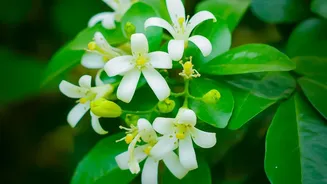
The primary appeal of African Jasmine (Jasminum multipartitum) is its stunning ornamental value. This evergreen scrambler can be trained as a climber, reaching up to 3 meters, or pruned into a dense, bushy shrub. Its deep, glossy green leaves provide
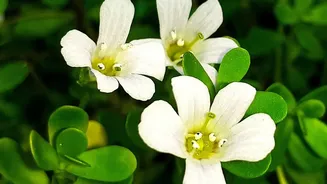
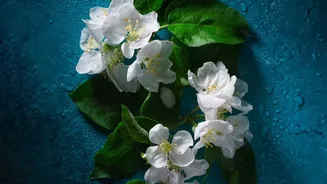
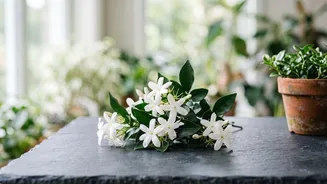
a perfect backdrop for the main event: masses of beautiful, star-shaped white flowers. The flower buds often show a delicate pink or reddish tint before unfurling. While the flowers release a subtle, sweet perfume during the day, their fragrance intensifies dramatically in the evening and at night, filling your garden or home with an intoxicating scent. This makes it a fantastic choice for planting near patios, windows, or entryways where its aroma can be fully appreciated.
More Than Just a Pretty Flower
Beyond its beauty, African Jasmine holds cultural and practical significance. Traditionally, it has been used to create fragrant herbal teas, scent bathwater, and as a component in potpourri. In some Southern African cultures, it's even considered a love charm. While not as extensively documented as other jasmine species like Jasminum sambac (Mogra), the aroma is associated with relaxation and stress relief. The flowers are edible and can be used as a delicate garnish for salads, desserts, and drinks, provided they are grown without pesticides. Furthermore, the plant plays a role in its native ecosystem, attracting pollinators like moths and bees, and its berries are eaten by birds.
Ideal Growing Conditions
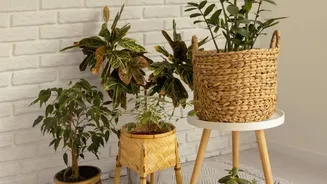
To thrive, African Jasmine needs the right balance of light, water, and soil. It prefers bright, indirect sunlight, with at least four to six hours of light daily. An east-facing window or a spot with gentle morning sun is ideal, as harsh afternoon sun can scorch the leaves. It grows well in rich, well-draining soil. A mix of garden soil, compost, and sand works well to ensure moisture retention without waterlogging the roots. When planting in pots, which is a great option for balconies and patios, always choose a container with ample drainage holes to prevent root rot.
Care and Maintenance in India
Caring for African Jasmine in the varied Indian climate is straightforward. The key is consistent moisture; water the plant thoroughly when the top inch or two of soil feels dry. In hot summers, this might be every few days, while you should reduce watering during the monsoon and winter months. Overwatering is a common mistake that can lead to yellowing leaves and root rot. To encourage lush growth and abundant blooms, feed the plant with a balanced fertiliser during the growing season (spring and summer). Pruning is also beneficial. After the main flowering season, trim back any overgrowth to maintain a neat shape and encourage a fuller, denser plant. This will also stimulate more flowers in the next season.
A Rewarding Addition to Your Home
Whether you're an experienced gardener or a beginner, the African Jasmine is a rewarding plant. Its fast-growing nature means you won't wait long to see results. It can be used in various ways in the garden: as a hedge, a screen, a groundcover, or trained over an archway. Its fragrant sprigs are also lovely in flower arrangements, as the buds will continue to open indoors, perfuming the entire room. Given its adaptability to both sun and semi-shade, its relative drought tolerance once established, and its stunning floral display, it is a versatile and valuable plant for any Indian home or garden.