








The Scars of Unchecked Adventure
For years, the allure of Ladakh has been synonymous with freedom—the freedom to ride or drive through vast, open landscapes under an endless sky. This, however, has come at a steep environmental cost. A growing number of tourists, in search of the perfect
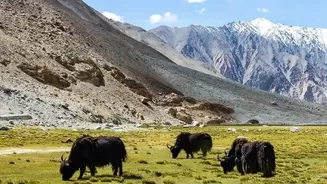
photo or an adrenaline rush, have been venturing off designated roads. This practice, known as illegal off-roading, involves driving cars and motorcycles across fragile wetlands, alpine pastures, and even into the pristine waters of iconic lakes like Pangong Tso. The high-altitude desert ecosystem of Ladakh is incredibly delicate; damage done to its thin topsoil and sparse vegetation can take decades, if not centuries, to heal. Recent incidents have highlighted the severity of the problem, with vehicles getting stuck in streams, chasing endangered wildlife like the Tibetan Gazelle, and leaving permanent tyre tracks on sensitive landscapes in protected areas like the Changthang Cold Desert Wildlife Sanctuary.
A Crackdown on Environmental Damage
In response to the escalating damage, the Ladakh administration has shifted from simple advisories to strict enforcement. Acting on the directions of the Lieutenant Governor, authorities have begun prosecuting and imposing heavy penalties on those caught violating the rules. In a series of crackdowns, several tourists have been fined significant amounts, with penalties reaching up to ₹50,000 per vehicle under the Wildlife (Protection) Act, 1972. The vehicles, often registered in other states like Himachal Pradesh, Punjab, and Uttar Pradesh, have been impounded and only released after the fines were paid. These violations were detected through a combination of routine patrols by wildlife officials and surveillance of social media, where videos of the illegal stunts were often posted by the tourists themselves. This firm stance signals a major policy shift: the administration is making it clear that environmental protection is no longer secondary to tourism.
Introducing a Formal Safari System
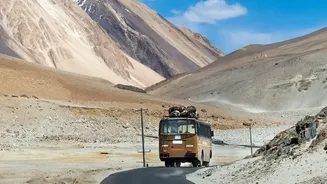
While penalties address the symptoms, the administration's long-term solution is more systemic. The new plan involves channeling tourist vehicles onto a network of clearly defined routes, effectively creating a 'safari system.' The idea is not to restrict access but to manage it responsibly. By mandating that all tourist vehicles stay on these designated tracks, the administration aims to prevent the random, chaotic off-roading that has been so destructive. This approach draws inspiration from national parks and wildlife reserves where visitor movement is controlled to minimize ecological disturbance. All tourists are already required to obtain a permit, which involves paying an environment fee, to access protected areas like Pangong Tso, Tso Moriri, and the Nubra Valley. The new safari plan will integrate with this existing permit structure, ensuring that visitors agree to abide by the designated routes as a condition of their travel.
Preserving Ladakh for a Sustainable Future
The implementation of a safari-style plan is a crucial balancing act. Tourism is a vital part of Ladakh's economy, and the administration has reiterated that all visitors are welcome. However, the recent enforcement actions and the move towards a structured route system underscore a fundamental truth: the very beauty that draws tourists to Ladakh is under threat from irresponsible behaviour. By protecting the fragile landscapes, the government is also safeguarding the future of the region's tourism industry. The new rules are not just about punishment; they are about fostering a culture of responsible travel. The administration has deployed a Ladakh Environment Protection Force, comprising ex-servicemen, to monitor sensitive areas and enforce the regulations on the ground. This initiative, combined with stricter permit conditions and clear demarcation of routes, aims to ensure that Ladakh's unparalleled natural heritage can be enjoyed by future generations without being destroyed by the present one.