

The Myth of Natural SPF
The core of the DIY sunscreen myth lies in the idea that certain plant-based oils and butters have a natural Sun Protection Factor (SPF). You may see charts online assigning SPF values to ingredients like shea butter (3-6) or jojoba oil (around 4). While
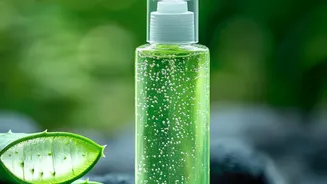
these ingredients are excellent moisturisers and have antioxidant properties, their ability to block UV radiation is minimal and, more importantly, completely unreliable. Aloe vera, for instance, is known for soothing sunburns, but it only blocks about 20% of UV rays and should not be used as a primary defence. These low numbers do not provide adequate protection, and they are not stable, meaning they can break down quickly in the sun, leaving your skin exposed.
The Reality of Sunscreen Formulation
Creating an effective sunscreen is a complex scientific process, not a simple kitchen mix. Commercial sunscreens are regulated as over-the-counter drugs in many countries. They must undergo rigorous, standardized testing on human volunteers to earn an SPF rating. This number tells you how much longer it would take for your skin to burn compared to wearing no protection at all. A key challenge in formulation is ensuring the active ingredients—typically mineral filters like zinc oxide and titanium dioxide or chemical filters—are evenly dispersed throughout the product. Without specialized lab equipment, DIY mixtures often contain clumps of active ingredients, creating an uneven film on the skin with unprotected gaps. This means one patch of skin might be covered while the area right next to it is completely vulnerable to UV damage.
Why Active Ingredients Aren't DIY-Friendly
Even if you buy cosmetic-grade zinc oxide, the most common ingredient in DIY recipes, you cannot guarantee its safety or efficacy at home. The effectiveness of a mineral sunscreen depends on the particle size of the zinc oxide and how well it is suspended in the base formula to form a uniform barrier. Professional formulators work with specific grades and use high-shear mixers to achieve this. Just stirring powder into melted shea butter won't work. Furthermore, without preservatives, homemade concoctions of oil and water-based ingredients like aloe vera can quickly grow mould and bacteria, posing another risk to your skin.
The Serious Risks of Getting It Wrong
Relying on an ineffective homemade sunscreen is equivalent to going out in the sun with no protection at all. The immediate consequence is sunburn, which is a painful sign of significant DNA damage to your skin cells. Over time, this cumulative damage drastically increases your risk for all types of skin cancer, including deadly melanoma. Beyond the cancer risk, unprotected sun exposure is the leading cause of premature skin aging. This includes the formation of wrinkles, fine lines, dark spots (hyperpigmentation), and a loss of skin elasticity. The perceived benefit of avoiding chemicals in commercial sunscreens is vastly outweighed by the proven danger of UV radiation.
Safer 'Natural' Sunscreen Choices
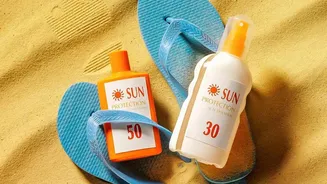
For those concerned about synthetic chemicals, there are plenty of safe and effective options on the market. Look for mineral-based sunscreens, sometimes called physical sunscreens. These products use zinc oxide and titanium dioxide as their active ingredients, which are generally recognized as safe and effective by regulatory bodies like the FDA. These minerals work by sitting on top of the skin and physically blocking or scattering UV rays. When shopping, look for labels that say “broad-spectrum” (meaning it protects against both UVA and UVB rays) and have an SPF of 30 or higher. This ensures you are getting regulated, tested, and reliable protection without resorting to a risky DIY experiment.