









The Dawn of Self-Dressing Clothes
A recent collaboration between researchers at KAIST in South Korea and Stanford University in the US has unveiled a technology that could revolutionize how we interact with our clothing. They have created garments with embedded soft robotics that can
automatically dress a person in about 10 seconds, without the need for hands or assistance from others. The project was reportedly inspired by a simple, relatable problem: a researcher cycling in the rain wished his raincoat could put itself on. The system uses soft, flexible "vines" powered by air pressure that are integrated into the clothing. When activated, these vines, inspired by climbing ivy, glide the fabric up and around the wearer's body, even if the person is moving. It's a significant step towards truly assistive clothing, with immediate potential for helping the elderly, people with disabilities, or professionals in sterile or emergency environments who need to suit up quickly.
How Fabric Becomes Robotic
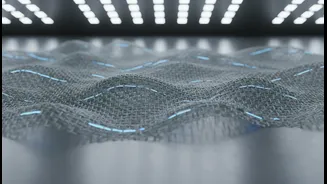
The term "soft robotics" refers to building robots from compliant, flexible materials instead of rigid parts. This makes them ideal for interacting closely and safely with the human body. The KAIST-Stanford team used air-powered channels that 'grow' and unfurl to guide the clothing. But this is just one approach. Other researchers, like those at the Korea Institute of Machinery and Materials (KIMM), are developing what they call "fabric muscle." This technology weaves ultra-thin wires made of shape-memory alloys (SMAs) directly into textiles. These special metals can "remember" a shape and return to it when a stimulus, like a small amount of heat from a low-voltage current, is applied. This allows the fabric to actively contract, stiffen, or change its form on command, turning a simple garment into a dynamic, responsive system.
The Wardrobe of the Future
The applications for this technology extend far beyond just getting dressed. Imagine a work jacket for a factory or logistics worker embedded with fabric muscle that assists with lifting, reducing muscle strain by over 40 percent, a feat already demonstrated in prototypes. For rehabilitation, a lightweight shoulder-assist garment weighing less than a kilogram has been shown in clinical trials to improve the range of motion for patients with muscle weakness by more than 50 percent. These are not bulky, noisy exoskeletons but quiet, comfortable clothes that can be worn discreetly. The possibilities are endless: athletic wear that provides dynamic compression to prevent injury, office shirts that subtly correct your posture throughout the day, or even fashion that can change its shape and style at the touch of a button. It represents a fundamental shift from clothing as a passive covering to an active partner in our daily lives.
From Laboratory to Your Closet
While you may not find a self-dressing jacket at your local store next week, the path to commercialization is becoming clearer. A major hurdle for robotic textiles has been moving from one-off prototypes to scalable production. However, breakthroughs in automating the weaving process for these complex, high-tech fibres are paving the way for mass manufacturing. The KIMM team, for example, developed an automated system for weaving their SMA-based fabric muscle, ensuring consistent quality and opening the door for large-scale production. As these manufacturing challenges are solved and the cost of materials comes down, the concept of a smart, robotic wardrobe will move from a futuristic dream to an everyday reality. This isn't just about creating novel gadgets; it's about improving quality of life, enhancing human ability, and completely rethinking the role of the clothes we wear every single day.