
The Zero-Waste Wonder
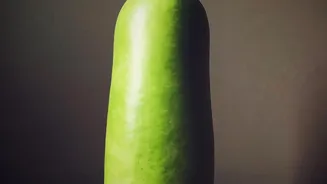
Before we get into technique, let's appreciate the star of the show: the humble lauki peel. In the quest for a more sustainable kitchen, using every part of the vegetable is a rewarding goal. Bottle gourd peels, often discarded, are packed with nutrients
and fibre. Transforming them into flavourful kebabs is not just resourceful, it's a delicious way to minimise food waste and add a new, creative snack to your repertoire. The challenge, however, is that these peels have high water content and lack the natural starch needed to bind them together, which often leads to crumbly, disappointing results.
Preparation is Everything
The secret to a successful kebab begins long before you start mixing ingredients. The initial preparation of the bottle gourd peels is the most critical step. First, ensure the peels are washed thoroughly. Then, they need to be tenderised. You can do this by boiling them in water for about 10-15 minutes until they are soft enough to be easily mashed or ground. After boiling, it's absolutely crucial to drain them completely. The most common mistake is leaving too much water in the peels. Squeeze out every last drop of moisture using your hands, a muslin cloth, or by pressing them firmly in a sieve. This single step will dramatically improve your chances of creating a mixture that holds its shape.
Choosing Your Champion Binder
Once your peels are prepped, the next step is to introduce a binding agent. This ingredient is what gives the kebab its structure. Fortunately, you have several excellent options to choose from, each offering a slightly different texture and flavour.Roasted gram flour (besan) is a classic choice in Indian cooking for a reason. Toasting the besan in a dry pan for a few minutes before adding it to the mixture not only enhances its nutty flavour but also improves its binding properties. Boiled and mashed potatoes are another fantastic binder, providing starch and a soft, yielding texture to the final kebab. They help absorb any residual moisture from the peels. For a crispier texture, breadcrumbs or powdered oats work wonders. Soaked and coarsely ground chana dal (split chickpeas) can also be used, lending both protein and a wonderful, slightly grainy texture to the kebabs.
Mastering the Mixture
Creating the perfect kebab dough is a balancing act. Start with your squeezed, mashed or ground lauki peels in a large bowl. Add your chosen binder—whether it's besan, potato, or oats—and mix well. Now, it's time for flavour. Finely chopped onions, ginger, garlic, green chillies, and fresh coriander are essential for that classic kebab taste. For spices, a combination of turmeric, red chilli powder, cumin powder, coriander powder, and garam masala works beautifully. A pinch of amchur (dry mango powder) or chaat masala will add a delightful tangy note. Mix everything together thoroughly. The final mixture should feel like a firm dough, not a wet batter. If it feels too sticky or wet, add a little more of your dry binder until you reach a consistency that can be easily shaped. Some recipes suggest adding the salt at the very end to prevent the mixture from releasing more water.
Shaping and Frying for Success
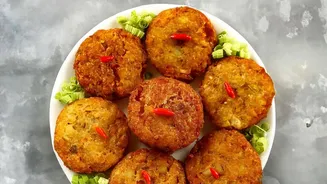
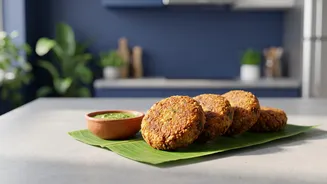
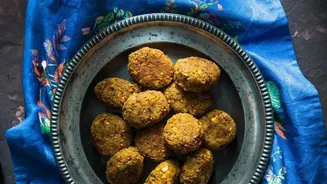
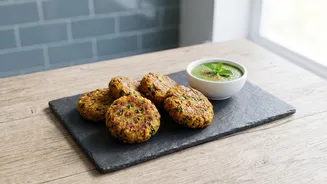
With your mixture ready, it's time to cook. For easier handling, you can chill the mixture in the refrigerator for about 15-30 minutes. This helps firm it up, making the kebabs less likely to break. Lightly grease your palms with a little oil and take small portions of the mixture, shaping them into flat, round tikkis or oval kebabs. Don't make them too thick, as they may not cook through evenly. Shallow frying is the recommended method for these delicate kebabs. Heat a few tablespoons of oil in a non-stick pan over a medium-low flame. A very hot pan can brown the outside too quickly while leaving the inside raw and prone to falling apart. Gently place the kebabs in the pan, ensuring not to overcrowd it, and cook them for a few minutes on each side until they are golden brown and crisp. Patience is key here; let them form a good crust before you attempt to flip them. Serve them hot with a side of mint chutney for the perfect finish.