

Ondeh-Ondeh: The Sweet Surprise
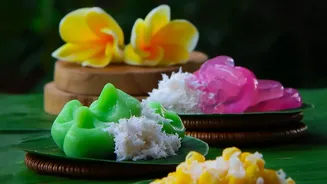
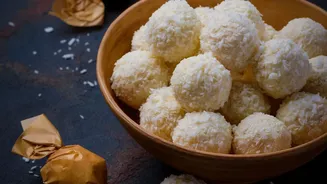
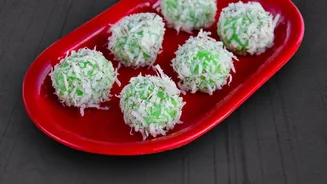
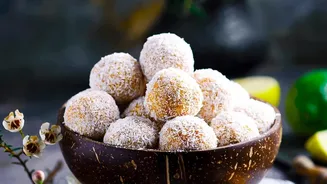
Imagine a soft, chewy little sphere that bursts in your mouth, releasing a flood of sweet, liquid palm sugar. That’s the magic of ondeh-ondeh. These delightful bite-sized balls are made from glutinous rice flour infused with the beautifully fragrant juice
of pandan leaves, which gives them their vibrant green hue. After being boiled until they float to the surface. The final touch is a generous roll in freshly grated coconut, adding a lovely, slightly savory texture that perfectly balances the intense sweetness of the molten sugar core. Often called 'buah Melaka', they are a staple at tea time and festive occasions.
Kuih Dadar: The Fragrant Green Crepe
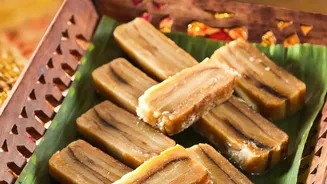
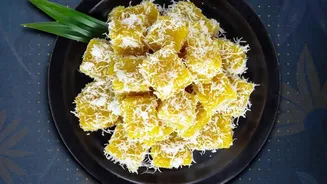
Kuih Dadar, also known as kuih ketayap, is another iconic Malaysian treat that showcases the classic pairing of coconut and pandan. It consists of a thin, soft crepe, colored and flavored with aromatic pandan juice. This delicate green pancake is then filled with 'inti', a moist and sweet filling made from freshly grated coconut cooked down with gula melaka until it becomes a rich, caramelized concoction. The crepe is carefully folded like a small parcel, encasing the delicious coconut filling. The result is a wonderfully textured snack where the soft, fragrant crepe gives way to a sweet, slightly crunchy coconut center. It's a popular teatime snack found everywhere from bustling night markets to local cafes.
Nasi Lemak: The Savory Icon
While many associate coconut with desserts, its most famous role in Malaysia is arguably in the national dish, Nasi Lemak. The name itself translates to 'rich' or 'creamy' rice, a direct reference to the cooking process. The rice is steamed with fresh coconut milk and knotted pandan leaves, infusing each grain with a subtle sweetness and an irresistible fragrance. This creamy rice forms the foundation of the meal, a perfect, comforting base to mellow the fiery kick of the accompanying sambal, a spicy chili paste. Served with crispy fried anchovies (ikan bilis), roasted peanuts, cucumber, and an egg, Nasi Lemak is a testament to the coconut's savory versatility.
Cendol: The Icy Dessert Bowl
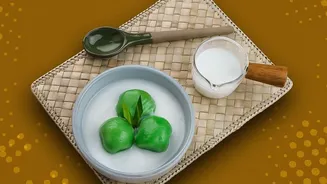
On a hot, humid Malaysian day, few things are more refreshing than a bowl of cendol. This popular iced dessert is a delightful mix of textures and temperatures. The star components are the short, worm-like jellies made from rice or mung bean flour and colored green with pandan juice. These chewy jellies are served in a bowl over a mountain of shaved ice, then generously doused with creamy coconut milk and a thick, dark syrup made from gula melaka. Often, other toppings like sweetened red adzuki beans or even a scoop of durian are added for extra complexity. The combination of the cool ice, creamy coconut milk, and caramel-like palm sugar makes for a truly satisfying treat.
Kerisik: The Secret Flavor Weapon
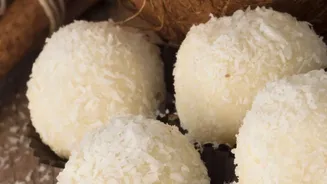
Not a snack on its own but a crucial ingredient, kerisik is the secret behind the deep, nutty flavor of many famous Malaysian dishes. Often called coconut butter, it's made by toasting grated coconut over low heat until it turns a deep golden brown, then pounding or grinding it into an oily paste. This process releases the coconut's natural oils and creates an intensely aromatic, smoky, and rich condiment. Kerisik is an essential thickener and flavor enhancer in dishes like Rendang, where it adds an unmistakable depth and a slightly gritty texture that is highly prized. It demonstrates how the humble coconut can be transformed into a powerful flavor agent, essential to the heart of Malay cuisine.