

Understanding the Shift in Your Skin
The feeling that your skin is becoming drier and more delicate over time is a shared experience. This change is rooted in natural biological processes. As we age, our sebaceous glands produce less sebum, the natural oil that keeps skin moisturised and protected.
This reduction means moisture can escape more easily. At the same time, the production of collagen, which provides skin's structure, decreases by about 1% each year after the age of 25. The skin's barrier, a protective layer made of lipids like ceramides, also weakens. With lower levels of natural oils and a less robust barrier, skin becomes thinner, more prone to dryness, and more sensitive to irritation. These factors combined mean that a skincare routine that once felt perfect can suddenly seem inadequate or even irritating.
The Case for a Gentler Cleanse
Cleansing is the foundation of any skincare routine, but for mature skin, the wrong technique can do more harm than good. Harsh, foaming cleansers, especially those containing sulfates, can strip the skin of its already-depleted natural oils. This can leave the skin feeling tight, dry, and irritated, further compromising the skin barrier. The goal of cleansing should be to remove impurities, makeup, and excess oil without disturbing the skin’s delicate balance. For ageing skin, this means switching to a gentler, more hydrating formula. Look for cleansers described as “mild,” “hydrating,” or “gentle.” Cream, milk, or oil-based cleansers are often excellent choices as they cleanse effectively while leaving the skin feeling soft and comfortable. When checking ingredients, seek out pH-balanced and fragrance-free formulas to minimise the risk of irritation.
How to Cleanse, Not Strip
The product you use is only half the battle; how you use it matters just as much. Over-cleansing can be a significant issue, so washing your face once or twice a day is usually sufficient. Always use lukewarm water, as hot water can strip the skin’s lipids and cause further dryness. Apply your chosen cleanser with your fingertips using gentle, circular motions. Avoid vigorous scrubbing or using rough washcloths, which can cause micro-tears in thinning skin. After rinsing thoroughly, pat your skin dry with a soft towel instead of rubbing. This gentle approach helps maintain the integrity of your skin barrier and prepares it to effectively absorb the moisturising products that follow.
Why Your Moisturiser Needs an Upgrade
Just as cleansing needs to become gentler, moisturising often needs to become more robust. A lightweight lotion that was once enough may no longer provide the sustained hydration that mature skin needs. As the skin barrier weakens, its ability to hold onto moisture diminishes, a process known as transepidermal water loss (TEWL). To counteract this, a more powerful moisturiser is essential for reinforcing the barrier and locking in hydration. The key is to look for products rich in ingredients that not only add moisture but also help the skin repair and retain it. This strategic approach to moisturising can make a significant difference in how your skin looks and feels, helping it appear plumper and smoother.
Decoding the Moisturiser Aisle
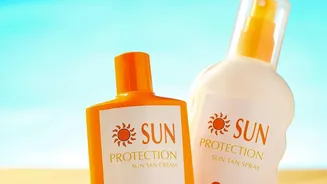
When choosing a moisturiser, focus on hero ingredients known for their ability to support mature skin. Ceramides are a top priority; they are lipids that are a natural component of your skin barrier, and replenishing them helps lock in moisture and protect from irritants. Hyaluronic acid is another star ingredient, acting like a magnet for moisture by drawing water into the skin, which helps to create a plump, hydrated appearance. Used together, hyaluronic acid provides the hydration, and ceramides help keep it there. Other beneficial ingredients include glycerin, a humectant that also draws in water, and soothing components like niacinamide, which can help calm irritation and support ceramide function. For daytime, it's crucial to finish your routine with a broad-spectrum sunscreen with an SPF of 30 or higher to protect your skin from sun damage, which is a primary driver of visible ageing.