




What is E20 Fuel?
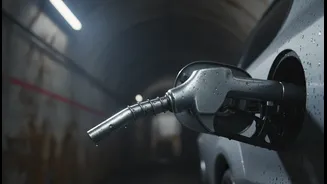
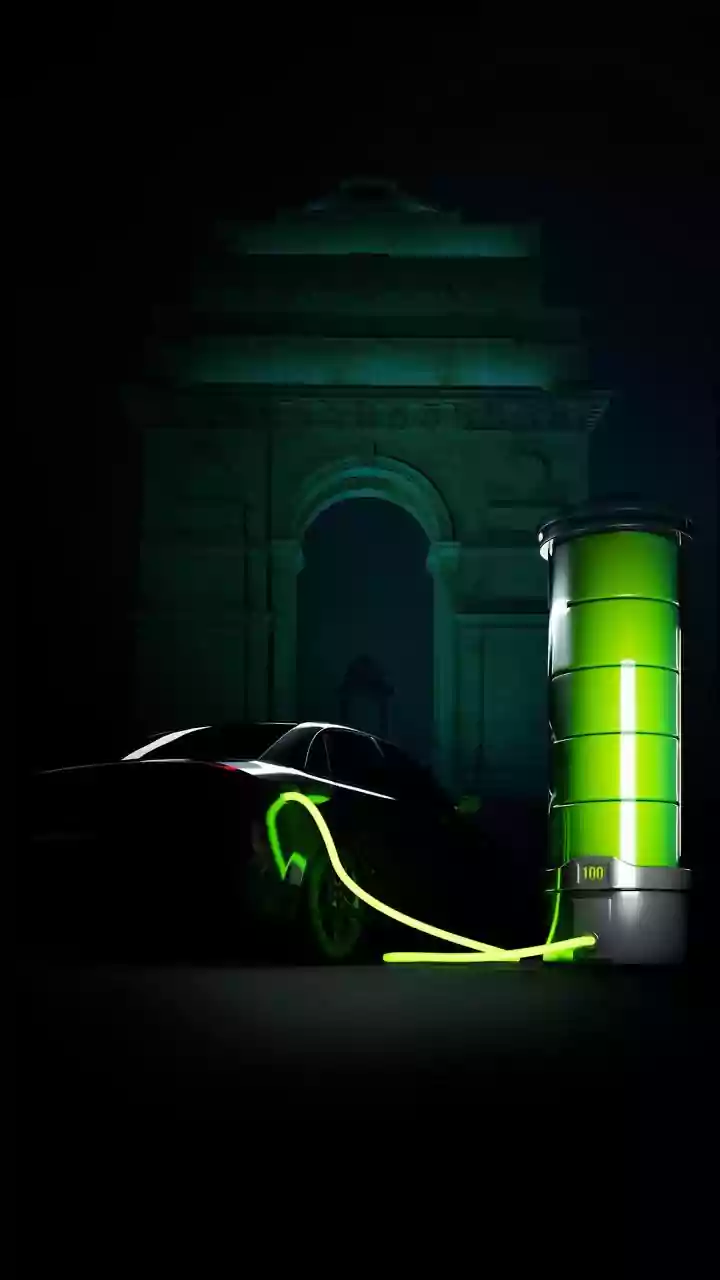
E20 fuel is a blend of 80% petrol and 20% ethanol. India has been rolling out this fuel nationwide as part of its Ethanol Blended Petrol (EBP) Programme. The goals are to reduce the country's reliance on imported crude oil, lower carbon emissions, and support
the agricultural sector by producing ethanol from sources like sugarcane and maize. While the fuel functions similarly to regular petrol, its chemical properties are slightly different, which becomes important during periods of high humidity. Most petrol vehicles manufactured since April 2023 are designed to be E20 compatible, but older models might face challenges.
The Ethanol and Water Connection
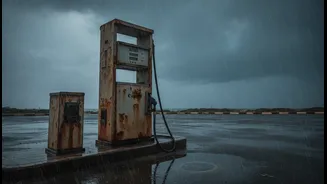
The core of the issue lies in a property of ethanol called hygroscopy. This means ethanol naturally attracts and absorbs water molecules from the surrounding air. While all fuel can be contaminated by water, ethanol's ability to pull moisture from the atmosphere increases this risk, especially in the humid conditions typical of the Indian monsoon. This moisture can enter a vehicle's fuel tank through condensation, especially when the tank is not full, or from the underground storage tanks at petrol pumps, which are also exposed to the elements.
Potential Risks: Phase Separation and Corrosion
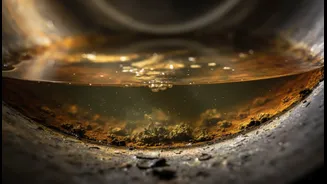
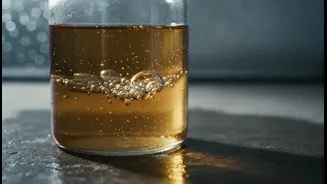
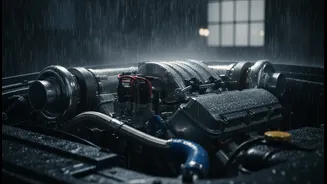
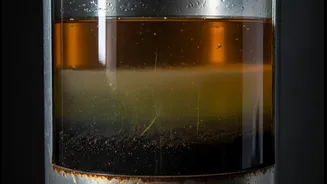
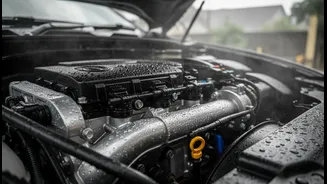
When the water content in E20 fuel surpasses a certain threshold (around 0.5% by volume), a process called phase separation can occur. The ethanol-water mixture becomes heavier than the petrol and settles at the bottom of the fuel tank. Since a car's fuel pump draws from the bottom, it can inadvertently pull this water-rich, incombustible mixture into the engine. This can lead to several problems, including difficulty starting, engine stalling, and misfires. Over time, this moisture can also cause corrosion in metal components like the fuel tank, fuel lines, and injectors, particularly in older vehicles not designed with ethanol-resistant materials.
Is Your Vehicle at Risk?
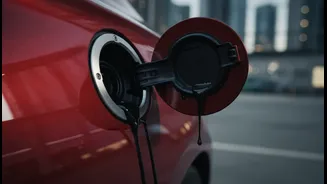
Compatibility is key. Vehicles manufactured after April 2023 are generally mandated to be E20 compliant. This means their fuel systems, including hoses, seals, and injectors, are made from materials like Viton or PTFE that resist ethanol's corrosive effects. Owners of older vehicles (pre-2023) should be more cautious. While many cars made since 2008 are compatible with E10 (10% ethanol), the jump to E20 can accelerate the degradation of parts not designed for it. Always check your owner's manual or the sticker inside your fuel cap for compatibility information.
Warning Signs of Water Contamination
Your car will likely give you signals if there's too much water in the fuel. Be alert for sudden changes in performance, especially after refueling. Common symptoms include engine hesitation or sputtering during acceleration, rough idling, a noticeable loss of power, and sudden stalling. In some cases, the check engine light may illuminate. If you experience these issues, particularly during the monsoon season, water contamination in your E20 fuel is a strong possibility.
Monsoon Maintenance Tips for Drivers
Being proactive can prevent most problems. During the monsoon, try to keep your fuel tank more than half full. This reduces the amount of empty space where humid air can cause condensation. Fill up at reputable, high-turnover petrol stations where fuel is less likely to sit in storage tanks for long periods. If you plan on storing your car for an extended time, consider using a fuel stabilizer that is compatible with ethanol blends. Regular servicing is also crucial; ensure your fuel filter is clean and your fuel lines are inspected for any signs of wear. If you suspect significant water contamination, do not continue driving. It's best to have a mechanic drain the tank and inspect the fuel system.