




A Landmark Achievement
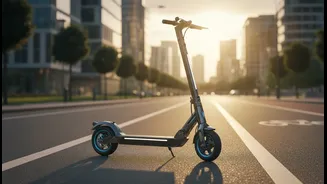
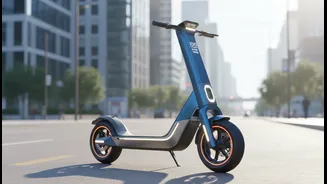
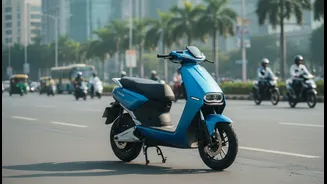
The numbers are in, and they paint a clear picture of an industry hitting its stride. As of early July 2026, retail sales of electric two-wheelers in India have officially crossed the one million mark for the year. Data from the government's Vahan portal
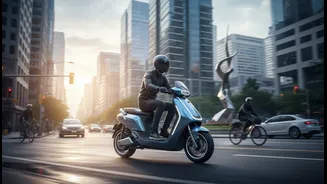
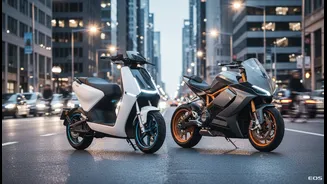
shows that 1,005,279 electric scooters, motorcycles, and mopeds were sold between January 1 and July 6, 2026. This represents a massive 54% year-on-year growth compared to the same period in 2025. To put it in perspective, the industry is now selling an average of 5,375 electric two-wheelers every single day. The momentum has been particularly strong in the second quarter of the year, which saw a 68% jump in sales compared to 2025, spurred on by factors like rising fuel prices. This milestone isn't just a number; it's a powerful indicator that electric mobility, long seen as a niche market, is now firmly in the mainstream.
The Driving Forces Behind the Boom
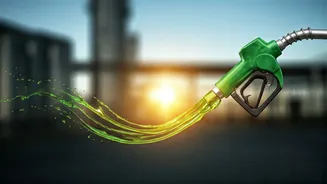
Several key factors have aligned to create this sales surge. Government incentives have played a crucial role. Policies under the FAME (Faster Adoption and Manufacturing of Electric Vehicles) scheme, though evolving, have helped make electric vehicles more affordable for the average consumer by offering subsidies. Simultaneously, a sharp increase in petrol prices during May made the economic case for switching to electric undeniable for many. The total cost of ownership for an EV, with lower running and maintenance costs, has become a compelling argument against traditional petrol-powered scooters. Furthermore, the market is no longer a landscape of just a few startups. Legacy two-wheeler giants and new-age EV companies alike are offering a wide array of products, giving consumers more choice than ever before. The top ten manufacturers now account for over 93% of all sales, indicating a maturing market where established brands are building consumer trust.
Meet the Market Leaders
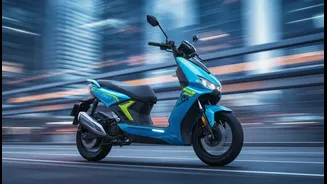
The race to the top of the sales chart is a fierce one, led by a mix of legacy automakers and dedicated EV startups. TVS Motor Company is currently leading the pack, with its iQube range accounting for about 26% of the market share in the year to date. Hot on its heels is Bajaj Auto, whose Chetak electric scooter has leveraged its iconic brand name to capture a 22% share. Following them are key players like Ather Energy, a Bengaluru-based startup known for its performance-oriented scooters, and Hero MotoCorp's Vida brand, which has shown remarkable year-on-year growth. While some early leaders like Ola Electric have seen their market share fluctuate, the competition among the top five brands—TVS, Bajaj, Ather, Vida, and Ola—is driving innovation, better performance, and more competitive pricing across the board.
Challenges on the Road Ahead
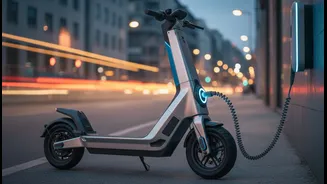
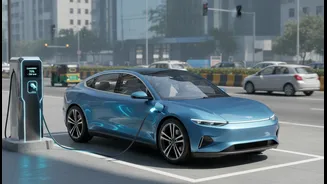
Despite the celebratory sales figures, the path forward is not without its obstacles. The biggest hurdle remains infrastructure. While expanding, the network of public charging stations is still insufficient, especially in semi-urban and rural areas, leading to 'range anxiety' among potential buyers. Another significant concern is the reliance on imports for critical battery components like lithium, cobalt, and nickel, which exposes India to supply chain vulnerabilities and geopolitical risks. Developing domestic capacity for battery manufacturing and recycling is essential for long-term, sustainable growth. Finally, while running costs are low, the high upfront purchase price of some electric models can still be a barrier for a large segment of the price-sensitive Indian market.