






The Foundation: Grains and Lentils
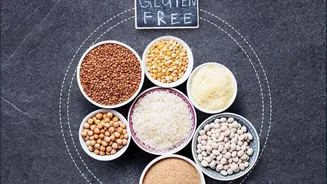
The backbone of any Indian kitchen is its supply of grains and dals. These form the base of countless meals, providing comfort, nutrition, and substance. Having at least two or three types of lentils on hand is a great start. Toor dal (split pigeon peas)
for your everyday sambar or dal tadka, masoor dal (red lentils) for a quick-cooking dal, and chana dal (split chickpeas) for stews and dry preparations are excellent choices. When it comes to grains, Basmati rice is essential for everything from plain steamed rice to elaborate biryanis. Whole wheat flour, or atta, is another non-negotiable for making fresh rotis, chapatis, and parathas. Storing these staples means you are always just minutes away from the foundation of a satisfying meal.
The Soul of the Kitchen: Spices and Aromatics
Spices are what give Indian food its incredible depth and character. While the list can seem endless, a core set of spices will enable you to cook a wide variety of dishes. The absolute essentials in your masala dabba should include turmeric (haldi), red chilli powder, coriander powder, and cumin seeds (jeera). Mustard seeds are vital for tadkas, especially in South and East Indian cooking. Garam masala, a fragrant blend of finishing spices, adds a final flourish of warmth and complexity to curries and sabzis. It’s also wise to keep whole spices like cinnamon, cloves, and cardamom for rice dishes and rich gravies. These aromatics are the building blocks of flavour, transforming simple ingredients into something truly special.
The Workhorses: Long-Lasting Produce and Pastes
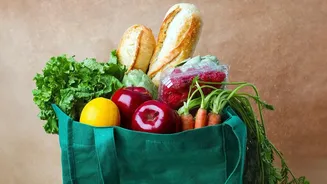
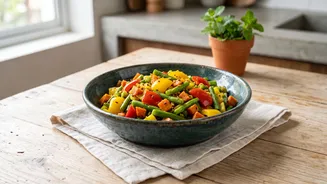
Fresh ingredients are key, but you don’t need a daily trip to the market if you stock up on produce with a longer shelf life. Onions, potatoes, and tomatoes are the holy trinity of Indian cooking, forming the base of most curries and vegetable dishes. Garlic and ginger are equally crucial. To save time, having ginger-garlic paste on hand is a massive convenience for busy weeknights. Lemons or lemon juice can brighten up a dal or sabzi instantly. Beyond the absolute basics, vegetables like carrots, bell peppers, and sweet potatoes can last for a week or more in the fridge, offering versatility for quick stir-fries and side dishes.
The Accelerators: Canned and Jarred Goods
There is no shame in leaning on convenient items to speed up the cooking process. Canned goods can be a lifesaver on particularly hectic days. Tinned tomatoes or tomato puree can create a curry base in minutes, saving you the time of chopping and cooking down fresh tomatoes. Canned chickpeas or kidney beans (rajma) mean you can whip up chana masala or rajma chawal without the overnight soaking and pressure cooking. Another great item to have is coconut milk, which can be used to create creamy, flavourful curries from the South of India with minimal effort. These items act as accelerators, helping you get a delicious, home-cooked meal on the table fast.
Putting It All Together
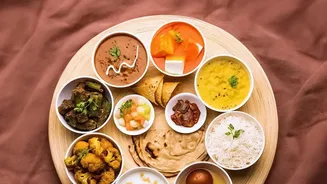
With these components in place, a balanced meal is always within reach. A simple dinner could be masoor dal with steamed rice and a quick cucumber raita. If you have a bit more time, sauté some onions, ginger-garlic paste, and tomatoes, add your spices, and throw in canned chickpeas for a quick chana masala to be eaten with rotis. A well-stocked pantry reduces stress and decision fatigue. It saves you time and money by cutting down on last-minute grocery runs and expensive takeaways. It empowers you to be more creative and confident in the kitchen, knowing you have the essentials to bring almost any simple recipe to life.