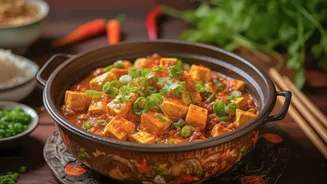


The Hero Ingredient: What is Gochujang?
Before we start cooking, let's talk about the star of the show. Gochujang is a cornerstone of Korean cuisine, a fermented chili paste with a history stretching back centuries. It’s made from red chili pepper powder (gochugaru), glutinous rice, fermented soybeans
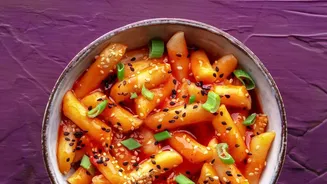
(meju), and salt. This combination is left to ferment, a process that creates its signature flavour: a complex blend of spicy heat, subtle sweetness, and deep, savory umami. Unlike a straightforward hot sauce, gochujang's flavour has incredible depth. It’s not just about heat; it's about a rich, earthy, and slightly funky profile that adds an instant flavor bomb to any dish it touches. Think of it as a concentrated paste of pure flavour, ready to be unleashed.
Get the Tofu Right: Crispy is Key
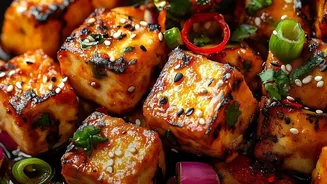
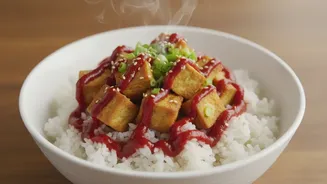
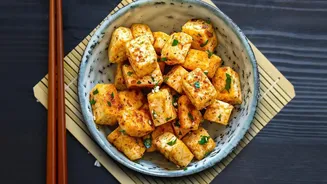
The perfect partner for a bold sauce is tofu with a delightfully crispy exterior. To achieve this, you must first press your tofu. This step is non-negotiable for crispiness. Wrap a block of firm or extra-firm tofu in a clean towel and place something heavy on top for at least 15 minutes to squeeze out excess water. Once pressed, cube the tofu and toss it in a bowl with a light coating of cornstarch. The cornstarch is the secret to creating that golden, crunchy coating that will hold up to the sauce. You can then pan-fry the cubes in a bit of oil until golden on all sides, bake them in a hot oven, or use an air fryer for an even crispier, hands-off approach. Don't overcrowd the pan or basket, as this will cause the tofu to steam instead of fry.
Building the Perfect Gochujang Glaze
Gochujang is powerful, so it's rarely used alone. Instead, it serves as a base for a balanced sauce or glaze. To make a versatile glaze for your tofu, whisk together gochujang with a few other pantry staples. A common combination includes soy sauce (for saltiness and umami), rice vinegar (for a touch of acidity), sesame oil (for nutty aroma), and minced garlic. Because gochujang has a fermented sweetness, you'll also want to add a liquid sweetener like maple syrup, agave, or honey to balance the heat and create a beautiful, sticky glaze. Start with a small amount of gochujang and taste as you go; you can always add more heat. Whisk everything until smooth, and your glaze is ready.
Assembling Your Masterpiece Bowl
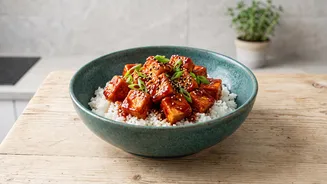
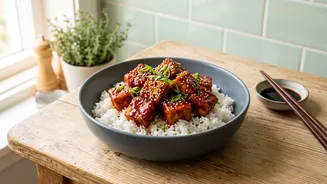
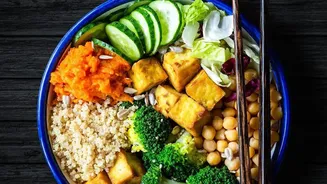
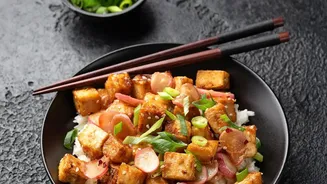
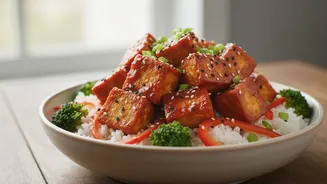
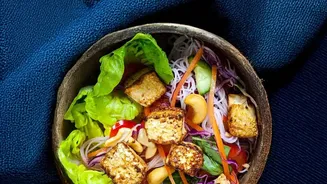
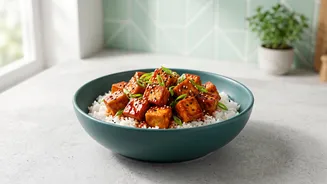
With your components ready, assembly is the fun part. Start with a foundation of fluffy steamed rice—jasmine or short-grain sushi rice work beautifully. Once your tofu is crisped to perfection, toss it in the gochujang glaze until every piece is coated and glossy. Arrange the saucy tofu over the rice. Now, add your supporting cast of vegetables for colour, texture, and freshness. Great options include steamed broccoli, shredded carrots, sliced cucumber, creamy avocado, and edamame beans. For an extra layer of flavour and a nod to gochujang's fermented roots, add a scoop of kimchi. Finally, garnish with a sprinkle of toasted sesame seeds and some finely sliced spring onions for a final flourish.
Make It Your Own: Customisation Tips
The beauty of a tofu rice bowl is its versatility. Think of this formula as a blueprint for your own creations. If you're sensitive to spice, start with just a teaspoon of gochujang in your glaze and increase it to your liking. For a less sweet sauce, you can reduce or omit the added sugar. Feel free to swap out the vegetables based on what’s in your fridge; sautéed spinach, bell peppers, or pickled radishes are also excellent additions. While tofu is a classic pairing, the gochujang glaze is equally delicious on chickpeas, chicken, or even drizzled over roasted eggplant. Don’t be afraid to experiment and find the combination that makes your taste buds sing.