

The Secret is Not in the Oil
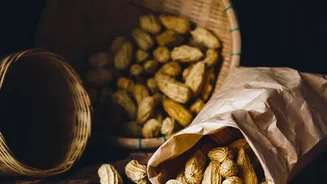
The belief that fat is the only path to crispiness is a common kitchen myth. While oil is great for frying, it isn't necessary for roasting nuts. The real secret to a perfectly crunchy peanut lies in removing moisture while developing flavour. The method
is simple: a salt-water brine followed by a slow roast in the oven. This technique, often called dry roasting, seasons the nut from the inside out and allows it to crisp up beautifully without a single drop of added cooking oil. The result is a snack with a cleaner, more intense peanut flavour.
The Science of the Crunch
How does it work? It's a combination of basic chemistry and physics. Soaking raw peanuts in a salt-water solution (a brine) does more than just add saltiness. Through osmosis, the salted water is absorbed by the peanuts. When you then roast them, the heat causes this internal moisture to evaporate. As the water escapes, the nut's internal structure becomes drier, firmer, and more rigid. This process is what creates the signature snap. Simultaneously, the dry heat triggers the Maillard reaction, a chemical process between amino acids and sugars that creates hundreds of new flavour and aroma compounds, giving the peanuts their toasted, nutty, and deeply savoury character.
Your Simple Toolkit and Ingredients
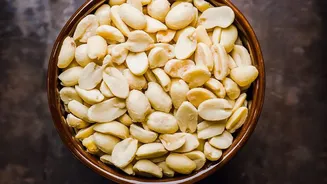
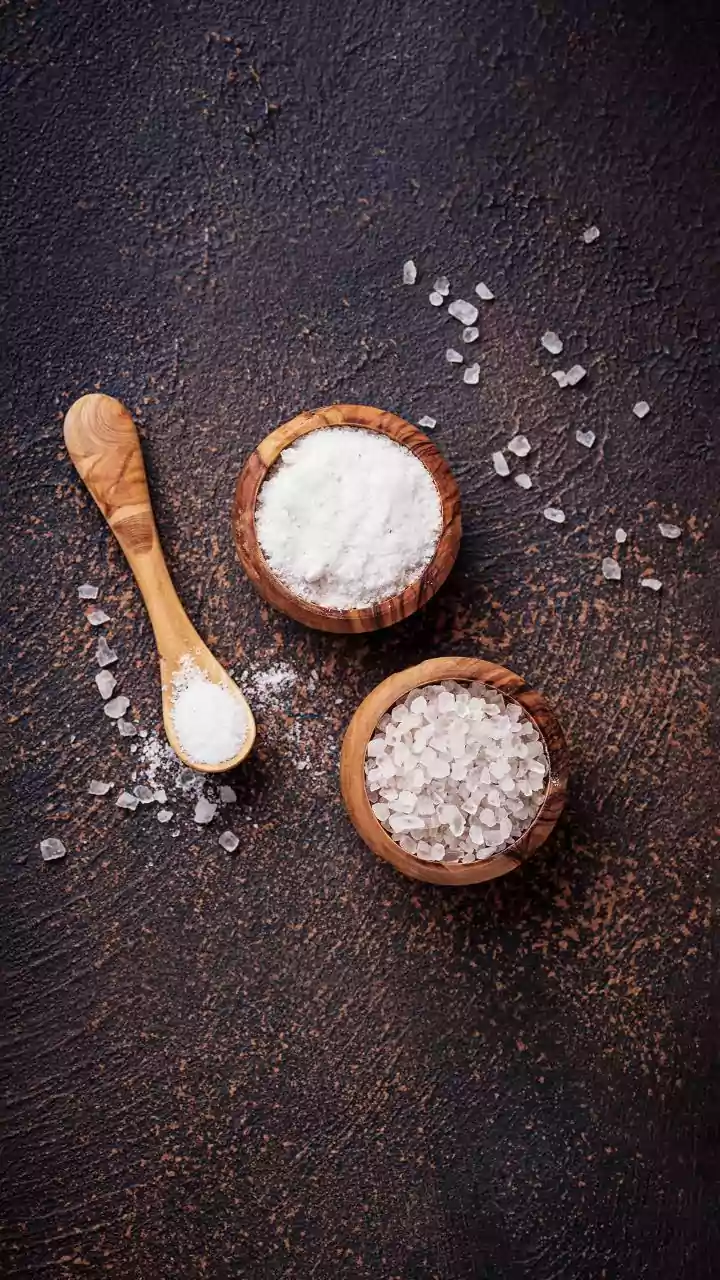
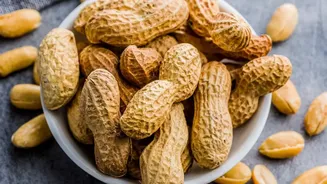
One of the best parts of this technique is its simplicity. You don't need any special equipment. All you need are three basic items: raw peanuts (shelled is easiest), salt, and water. For equipment, you will need a bowl for soaking, a baking sheet, and an oven. It’s best to use raw, unsalted peanuts, as this gives you complete control over the final seasoning. You can find them in the bulk section of many grocery stores or at specialty markets.
Step-by-Step to Perfect Peanuts
Ready to get roasting? Follow these simple steps for a flawless batch every time. 1. Create the Brine: In a bowl, dissolve a generous amount of salt in warm water. A good ratio to start with is about two to three tablespoons of salt per cup of water. Stir until the salt is fully dissolved. 2. Soak the Peanuts: Submerge your raw, shelled peanuts in the brine. Let them soak for at least 30 minutes, though an hour is even better for a more thorough seasoning. Some recipes even suggest soaking overnight. 3. Drain and Dry: Strain the peanuts well. It's important to get them relatively dry on the surface, so pat them thoroughly with a paper towel. 4. Roast Low and Slow: Spread the peanuts in a single, even layer on a baking sheet. Do not overcrowd the pan, as this will cause them to steam rather than roast. Bake in a preheated oven at a moderate temperature, around 150-175°C (300-350°F). 5. Stir and Watch: Roast for 20 to 35 minutes, stirring every 10 minutes or so to ensure they cook evenly. They are done when they are golden brown and fragrant. Be careful, as they can go from perfectly roasted to burnt very quickly. 6. Cool Completely: This is a crucial step. The peanuts will not be fully crisp when you pull them from the oven; they might even be slightly chewy. They will continue to cook from residual heat and will become perfectly crunchy as they cool completely.
Customise Your Crunch
Once you've mastered the basic technique, feel free to experiment. You can add a world of flavour to your peanuts by infusing the brine. Consider adding chilli flakes, smoked paprika, garlic powder, or your favourite spice blend to the salt water before soaking the peanuts. This allows the flavours to penetrate the nut along with the salt, creating a complex and layered taste profile that you can tailor to your exact preference. For a different texture, you can also try this method with skin-on peanuts, which adds a slightly more rustic feel and flavour.