







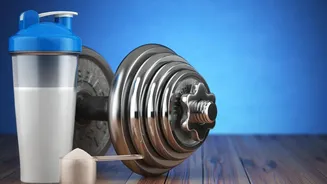
Myth: Protein Powder is Essential for Muscle Growth
This is one of the most persistent myths in fitness. While protein is absolutely crucial for repairing and building muscle tissue after exercise, the source is less important than the total amount consumed. Protein powders are a highly convenient way
to get a quick dose of protein, especially post-workout when you might not feel like eating a full meal. However, they are not strictly necessary. You can achieve the same, if not better, results by getting enough protein from whole food sources like chicken, fish, eggs, dairy, lentils, and beans. The key is consistency in both resistance training and meeting your daily protein targets, which for active individuals is typically around 1.4-2.0 grams of protein per kilogram of body weight.
Fact: A Balanced Diet Often Provides Enough Protein
For the average person, even those who are moderately active, a well-balanced diet can easily provide the recommended daily allowance of protein (about 0.8 grams per kg of body weight). Before reaching for a supplement, it's worth evaluating your current diet. Sources like Greek yogurt, cottage cheese, eggs, lean meats, and legumes are packed with protein and other essential nutrients that powders lack. For instance, a single serving of Greek yogurt can have up to 17 grams of protein. Spreading your protein intake across several meals helps your body use it more efficiently. Supplements become useful when your lifestyle makes it difficult to eat enough protein-rich meals, such as for elite athletes with very high needs or busy professionals on the go.
Myth: All Protein Powders Are Created Equal
The supplement aisle can be confusing, but it's important to know that powders vary significantly. The most common type is whey, a milk-based protein that is quickly absorbed, making it popular for post-workout recovery. Casein, another milk protein, digests slowly, making it a good option before bed to fuel muscle repair overnight. For those with dairy allergies, lactose intolerance, or following a plant-based diet, there are numerous alternatives like soy, pea, rice, and hemp protein. These can be just as effective but may have different amino acid profiles, so blending them is sometimes recommended. It's also critical to choose products from reputable brands, as the supplement industry is not always strictly regulated, and some products may contain unwanted additives or contaminants.
Fact: Whole Foods Offer More Complete Nutrition
A scoop of protein powder is not nutritionally equivalent to a chicken breast or a bowl of lentils. While the powder provides isolated protein, whole foods offer a complex 'matrix' of nutrients, including vitamins, minerals, fibre, and healthy fats that work together. This complete nutritional package is better for overall health and promotes greater feelings of fullness, which can help with weight management. Protein shakes can be useful as a snack or part of a meal, but relying on them as meal replacements regularly can lead to nutritional gaps if not carefully managed. The consensus among dietitians is clear: prioritise a food-first approach.
Myth: You Can't Get Enough Protein on a Vegetarian Diet
This is a long-standing misconception. A well-planned vegetarian or vegan diet can easily meet and even exceed daily protein requirements. Abundant plant-based sources include lentils, chickpeas, beans, tofu, tempeh, seitan, nuts, and seeds. While most plant proteins are not 'complete' on their own (meaning they lack one or more essential amino acids), this is easily solved by eating a variety of sources throughout the day. For example, combining grains like rice with beans creates a complete protein profile. Vegetarians who eat eggs and dairy have an even easier time, as both are excellent, high-quality protein sources.
Myth: More Protein is Always Better
Your body can only use a certain amount of protein at once for muscle building—research suggests around 20-40 grams per meal is optimal. Consuming excessive amounts, especially from supplements, doesn't lead to bigger muscles. Instead, the excess protein is either used for energy or stored as fat. While generally safe for healthy individuals, extremely high protein intake over a long period can put a strain on the kidneys, especially for those with pre-existing kidney conditions. Common side effects from overdoing protein powder can also include digestive issues like bloating and gas. It's more effective to focus on meeting your calculated daily need and spreading it across your meals.