





A Sudden Halt on the Pad
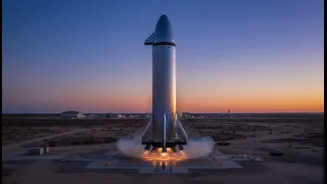
On Thursday, July 16, 2026, SpaceX was set for the thirteenth test flight of its Starship vehicle from its Starbase facility in Texas. The world watched as the countdown ticked towards zero. Just as the rocket's 33 powerful Raptor engines were scheduled
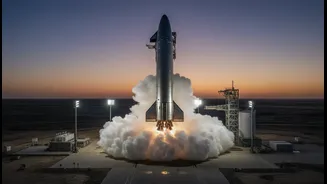
to roar to life, the sequence was abruptly stopped. Billowing clouds of smoke and vapor surrounded the 407-foot tall rocket, but it remained firmly on the ground. The culprit was an automatic launch abort, a computer-controlled command that overrides a launch when its sensors detect a problem. The onboard systems had detected that not all engines had ignited correctly. Specifically, telemetry data showed that four of the engines did not fire, prompting the system to immediately shut down the other 29 and call off the launch.
What is an Automatic Abort?
An automatic abort is essentially a rocket's self-preservation instinct. Modern launch vehicles are equipped with thousands of sensors that monitor everything from engine pressure to fuel temperature and computer system health. During the final, critical seconds of a countdown, these systems are on high alert. If any single parameter deviates from the expected norm, the onboard computer can instantly halt the entire process. This is not considered a failure but rather a successful demonstration of the vehicle's safety systems working exactly as designed. In this case, the system detected that too few engines were firing to ensure a successful launch, preventing what could have been a catastrophic failure after liftoff. While disappointing for viewers, these aborts are a fairly standard part of spaceflight, prioritizing the safety of the vehicle and the success of a future attempt over a risky launch.
The Crucial 'Propellant Offload' Process
Immediately following the abort, SpaceX announced it was beginning propellant offload. This term refers to the procedure of safely draining the rocket of its fuel and oxidizer—in this case, cryogenic liquid methane and liquid oxygen. These propellants are incredibly powerful but also highly volatile and kept at extremely low temperatures. Before engineers can safely approach the rocket to inspect and address the issue that caused the abort, the massive tanks must be emptied. This is a meticulous and time-consuming process designed to return the vehicle to a safe state. The announcement of the offload procedure signaled that the launch attempt for the day was officially scrubbed, and the focus had shifted from launching to diagnosing the problem.
What Happens Next for Starship?
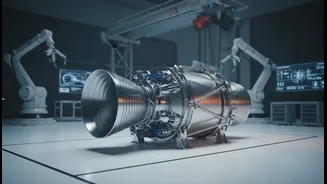
SpaceX founder Elon Musk quickly provided an update, confirming the reason for the abort. "Some of the engines didn't start, triggering an automatic launch abort," he posted on the social media platform X. He also outlined the next steps, stating that two of the Raptor engines will be removed and replaced to ensure confidence for the next flight. This indicates that the issue was not a minor glitch but required physical work on the vehicle's hardware. Musk projected that the next launch attempt would most likely occur early the following week, highlighting the company's rapid, iterative approach to testing. Engineers will now pour over the data from the abort to understand why the engines failed to ignite properly before re-stacking the rocket and preparing for another countdown. The flight was intended to carry 20 of SpaceX's next-generation Starlink satellites as a test payload.