








An Uncompromising Artistic Vision
Christopher Nolan is a steadfast champion of analog filmmaking in a digital world. For him, film is not just a stylistic choice; it's the pinnacle of visual storytelling. He shot 'The Odyssey' entirely using IMAX 15-perf 70mm film cameras, the highest-resolution
format ever devised. The goal is total immersion. This format captures a massive 1.43:1 aspect ratio, which fills a true IMAX screen from floor to ceiling, eliminating the letterbox bars audiences are used to. The result is an image with breathtaking clarity, detail, and scale—with a resolution equivalent to 18K—that digital projection cannot yet match. Nolan’s demand is not just a preference; it’s a belief that audiences should see the film exactly as it was created, with the tangible, consistent quality that a physical film print provides.
The Challenge of a 270-Kilogram Film Reel
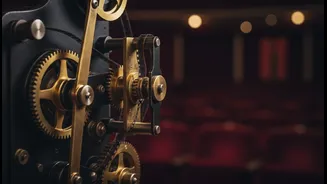
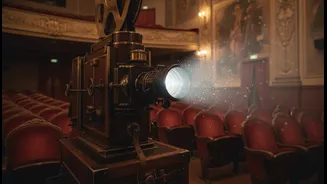
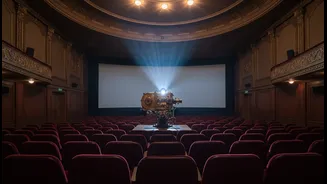
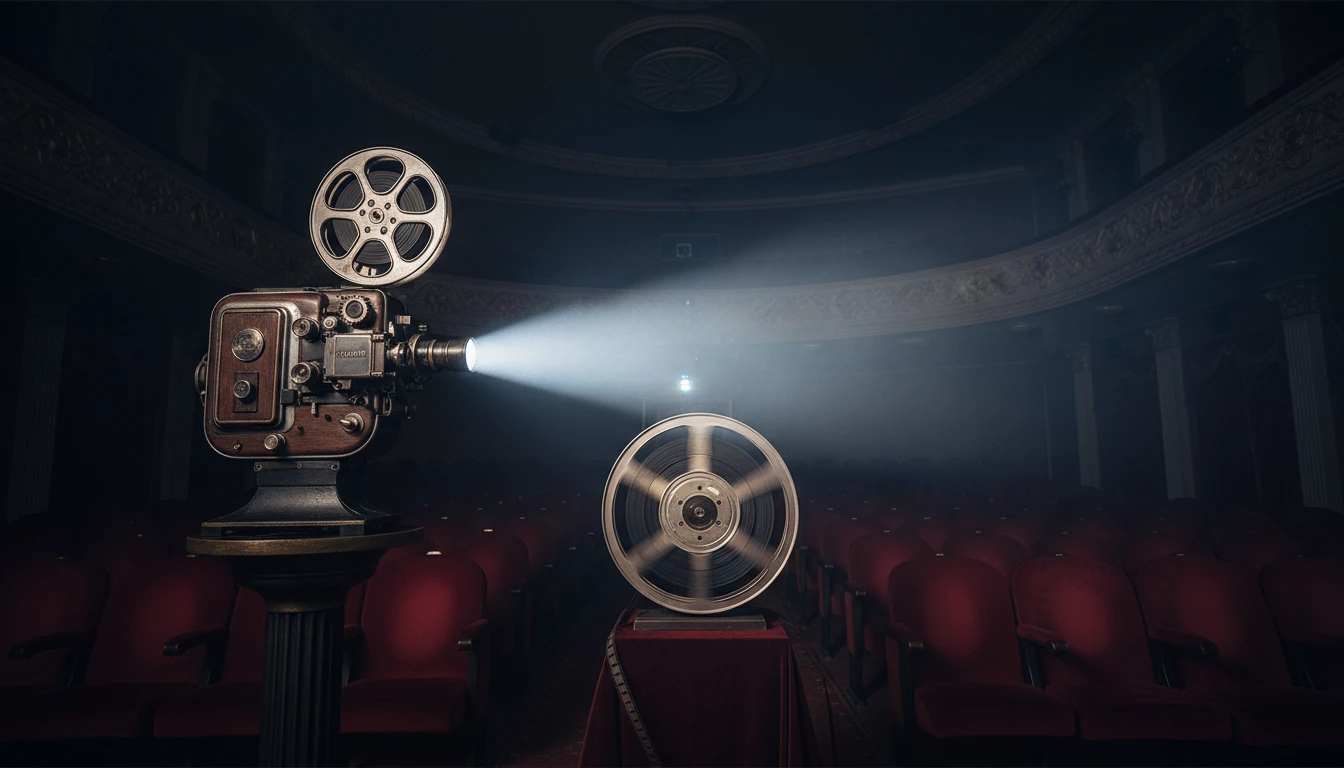
Presenting a film in IMAX 70mm is a monumental logistical and technical challenge. The physical film print for 'The Odyssey' is over 17 kilometres long and weighs more than 270 kilograms. Handling this behemoth requires a highly skilled, and increasingly rare, type of projectionist. Theaters need specialized, reinforced booths and massive platter systems to even manage the reel. Then there's the projector itself. The massive 15/70 projectors run the film horizontally to accommodate the huge frame size, a completely different mechanical process than standard vertical projection. It’s a nearly lost craft, requiring hands-on expertise to assemble, thread, and maintain during every single showing.
Why the Technology Is So Scarce
The primary reason for the scarcity is simple: new IMAX 15/70mm film projectors have not been manufactured in over 50 years. When the cinema industry overwhelmingly shifted to cheaper, more flexible digital projection in the 2000s and 2010s, the infrastructure for analog film was largely dismantled. According to IMAX CEO Richard Gelfond, the company now retrofits and rebuilds the few remaining projectors it can find, a painstaking process given that spare parts are no longer in production and original blueprints have been lost. For 'The Odyssey', IMAX spent over a year hunting down decommissioned projectors to bring the global total of functioning units from 30 to 41. It's a fragile ecosystem kept alive by a handful of dedicated directors and technicians.
The Economic Reality of Cinema
For the vast majority of cinema owners, maintaining a 70mm film projector for a few special releases a year is simply not economically viable. A full digital IMAX with Laser system, the next best alternative, can cost more than a million dollars to install per auditorium. The old film systems require not just the machine but also the expensive, specialized labor to run it. While Nolan's films create enormous demand—with fans traveling internationally and paying hundreds for tickets—most theaters are built for the efficiency of digital distribution, where a movie file can be sent anywhere with a click. The business model of the modern multiplex is based on volume and flexibility, a direct contrast to the bespoke, high-maintenance world of large-format film.