







What's In The Air We Breathe?
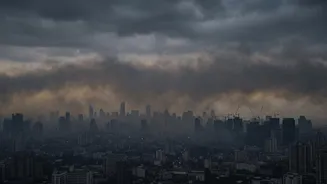
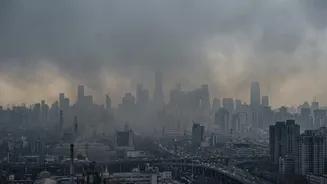
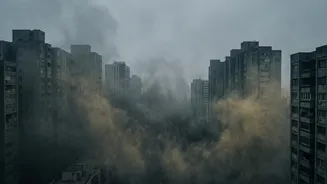
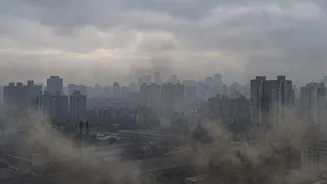
Delhi’s smog is a complex and toxic cocktail of pollutants. The most dangerous among them is PM2.5 — fine particulate matter so small it is less than the width of a human hair. These particles come from vehicle exhaust, industrial emissions, construction
dust, and seasonal crop burning. But the air also contains other harmful agents like nitrogen dioxide (NO₂), sulphur dioxide (SO₂), and ground-level ozone. The International Agency for Research on Cancer (IARC), a part of the World Health Organization, has classified outdoor air pollution and its key component, particulate matter, as a Group 1 carcinogen. This is the most serious category, placing it alongside asbestos and tobacco smoke as a proven cause of cancer.
From The Air To Our Cells
When you inhale polluted air, your body's natural defences, like the hairs in your nose, are easily bypassed by PM2.5 particles. They travel deep into the lungs, settling in the smallest airways and air sacs. Because of their microscopic size, these pollutants can even pass from the lungs directly into the bloodstream, carrying toxic compounds to every organ in the body. This process triggers a state of chronic inflammation in the lungs. Think of it as a constant, low-level irritation that your body is always trying to fight. Over months and years, this sustained inflammatory response can start to damage the very DNA of your lung cells.
The Direct Link to Lung Cancer
The connection between this chronic inflammation and cancer is now well-established by medical science. Continuous damage to cellular DNA can lead to mutations. While your body has mechanisms to repair this damage, relentless exposure to pollutants can overwhelm these systems. Eventually, a cell may develop a mutation that allows it to grow and divide uncontrollably, which is the starting point of cancer. Doctors are observing a significant rise in a specific type of lung cancer called adenocarcinoma, which is more commonly found in non-smokers and has been strongly linked to air pollution.
What Doctors Are Seeing on the Ground
Across clinics in Delhi-NCR, pulmonologists and oncologists report a disturbing trend: a sharp increase in lung cancer cases among people who have never smoked. Where once the disease was almost exclusively linked to a history of tobacco use, doctors now see it in younger patients, including women in their 40s. Some estimates suggest that the proportion of non-smokers among lung cancer patients has surged dramatically in the last two decades. This real-world evidence from hospitals provides a human face to the scientific data, confirming that long-term residence in a city with hazardous air quality is an independent risk factor for developing the disease.
Is It Only About the Lungs?
While the lungs are the primary site of damage, the ill effects of air pollution are systemic. Because pollutants like PM2.5 enter the bloodstream, they contribute to a wide range of other health problems. Medical experts have linked long-term exposure to an increased risk of heart attacks, strokes, dementia, and other cardiovascular and respiratory diseases like COPD. This highlights that Delhi's smog is not just a respiratory issue but a public health emergency that affects the entire body.