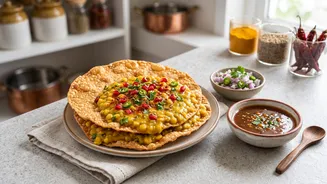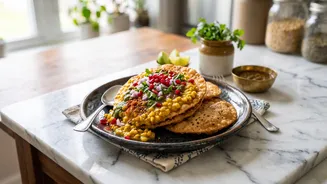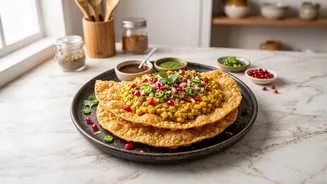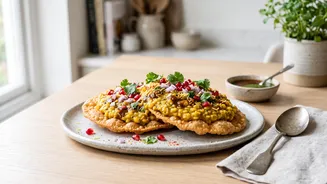



A beloved classic, Dal Pakwan is the quintessential Sindhi breakfast, celebrated for its delightful contrast of textures and flavours. This guide walks you through creating this iconic dish, from the hearty dal to the perfectly crisp pakwan.
A Dish Steeped in Tradition
Dal Pakwan
is more than just a meal; it's a culinary emblem of the Sindhi community. Originating from the arid region of Sindh, now in Pakistan, the dish was born from practicality. Pakwan, a deep-fried, crisp flatbread, had a long shelf life, making it ideal for traders and for coping with a climate where fresh food wasn't always available. Paired with a simple, nutritious chana dal (split Bengal gram), it created a wholesome meal. After the partition in 1947, Sindhi families carried this culinary heritage with them, and Dal Pakwan became a symbol of community and togetherness, often enjoyed during festivals, weddings, and leisurely Sunday breakfasts.
Preparing the Flavourful Dal
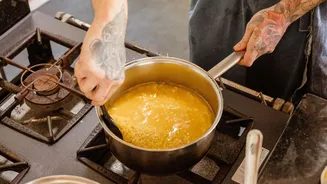
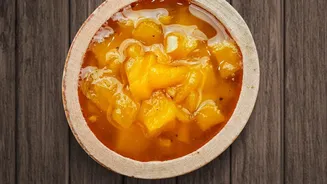
The heart of the dish is a simple yet flavourful chana dal. The goal is to cook the lentils until they are soft and tender, but not mushy, with each grain holding its shape. To begin, soak one cup of chana dal for at least an hour or two. Then, pressure cook the soaked dal with water, turmeric powder, and salt for about 3 to 5 whistles on a medium flame. While some variations include onions and tomatoes, many traditional recipes skip them for a purer lentil flavour. Once cooked, prepare a 'tadka' or tempering by heating ghee or oil and crackling cumin seeds. For added flavour, you can add asafoetida (hing), slit green chillies, and curry leaves. Pour this aromatic tempering over the cooked dal, mix well, and let it simmer for a few minutes to allow the flavours to meld. Some recipes also suggest adding a touch of dry mango powder (amchur) for a subtle tang.
Crafting the Perfectly Crispy Pakwan
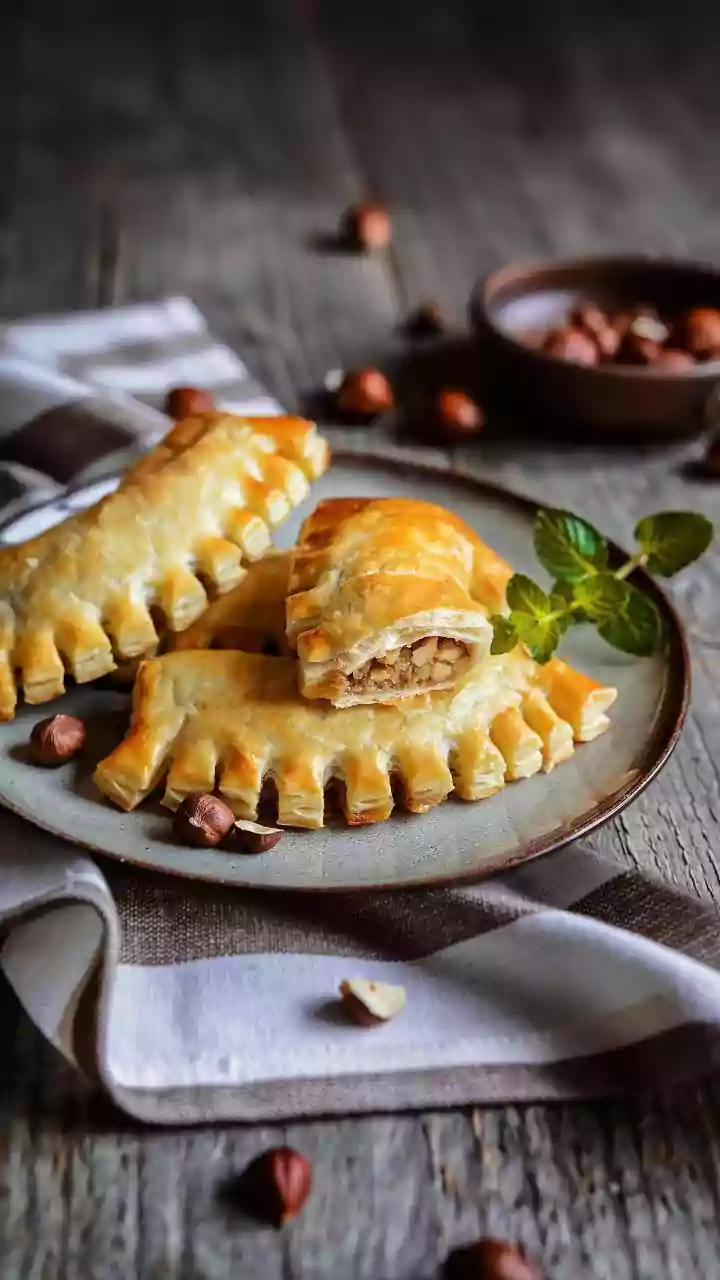
The pakwan must be perfectly crisp, providing a satisfying crunch against the soft dal. The dough is typically made from all-purpose flour (maida), though some recipes use a mix of maida and whole wheat flour. To make the dough, combine flour with salt, cumin seeds (jeera) or carom seeds (ajwain), and a few tablespoons of hot oil or ghee. The hot fat, known as 'moyen', is crucial for achieving a flaky, crisp texture. Knead into a firm, tight dough—not too soft, as that will result in a chewy texture. Let the dough rest for about 20-30 minutes. Afterwards, roll out small portions into thin discs. The most critical step is to prick the surface of each disc thoroughly with a fork. This prevents the pakwan from puffing up like a puri while frying, ensuring it becomes flat and crunchy. Deep-fry on a low to medium flame until golden brown and crisp on both sides. Once done, drain them on paper towels.
The Art of Traditional Serving
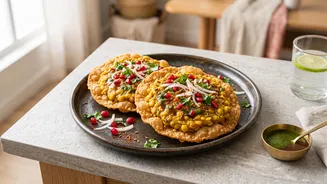
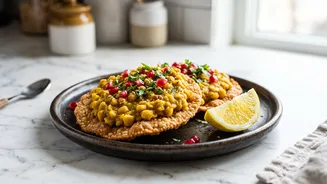
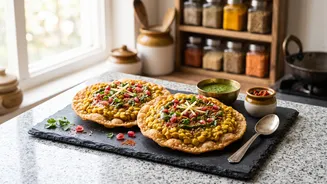
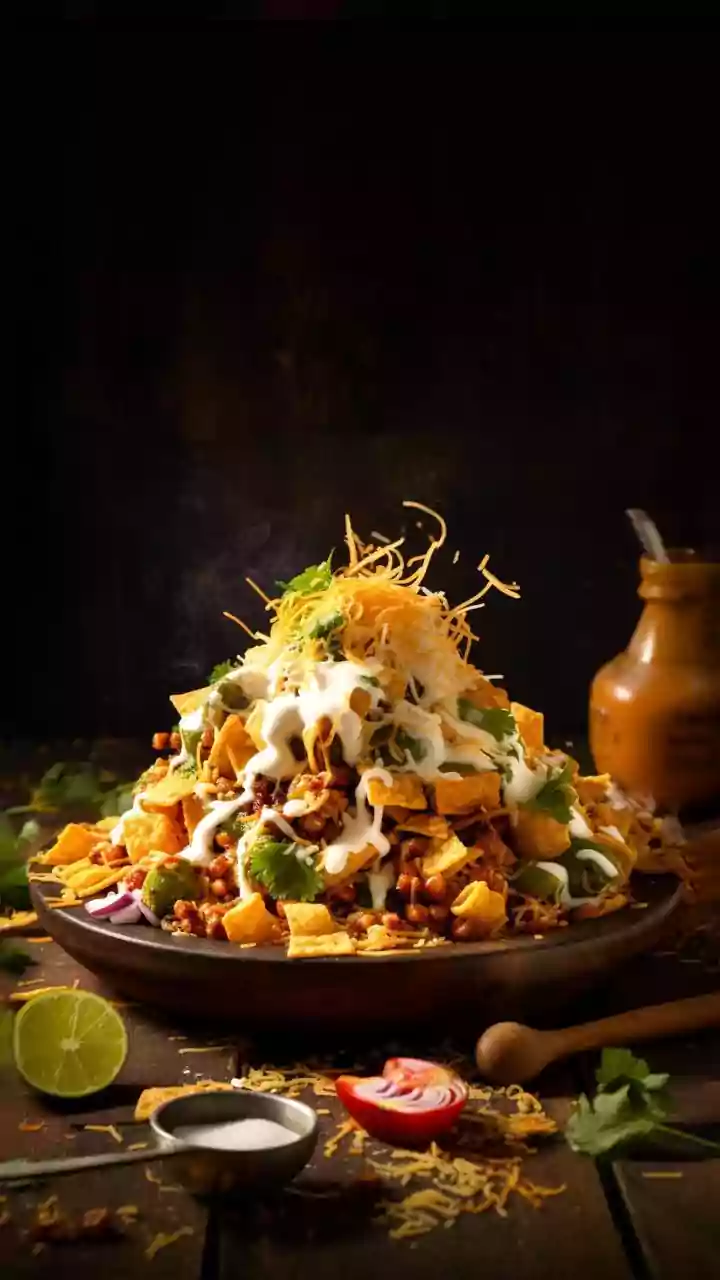
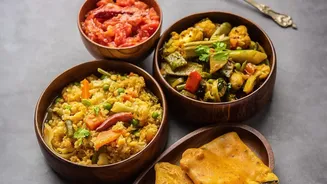
Serving Dal Pakwan is an experience in itself, involving a delightful assembly of accompaniments that elevate the dish. The classic presentation involves two key chutneys: a sweet and tangy tamarind chutney (mithi chutney) and a spicy coriander-mint chutney (green chutney). Finely chopped raw onions are also an essential topping, adding a sharp, fresh crunch. There are two popular ways to serve it. You can either place a pakwan on a plate, lightly crush it, ladle the hot dal over it, and then generously drizzle both chutneys and sprinkle with chopped onions. Alternatively, you can serve the dal in a bowl, topped with the chutneys and onions, with the crisp pakwans on the side to be used for scooping, similar to chips and dip. For an extra layer of texture and flavour, some also garnish with sev (crispy chickpea flour noodles).