




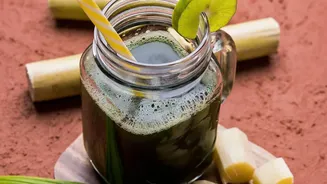
More Than Just Sweetness
For most of us, sugarcane exists as an abstract concept—a plant that gives us the ubiquitous white sugar in our pantry. But the journey from a tall, fibrous grass to a refined, uniform crystal strips away much of the plant's original character. Using
the sugarcane stalk directly in cooking is a way of reconnecting with the source, tapping into a flavour profile that is far more nuanced than simple sweetness. The stalk itself, a tropical grass that can grow up to five metres high, is filled with a sap that is not just sugary, but also watery, grassy, and aromatic. This raw juice contains notes of molasses, vanilla, and even hay, all of which are lost during the intense refining process that produces table sugar. By using the stalk, you are not just sweetening a dish; you are adding a layer of complex, botanical flavour.
The Flavour Difference
The taste of freshly pressed sugarcane juice is a revelation compared to a solution of white sugar and water. While refined sugar delivers a clean, one-dimensional sweetness, raw cane juice has a rounder, more lasting sweet profile with earthy and vegetal undertones. This complexity makes it a dynamic ingredient. In India, it's a key component of refreshing drinks, often mixed with ginger and lime to balance its richness. In Vietnamese cuisine, it serves as an edible skewer for savoury shrimp paste, where its juices infuse the meat with a subtle sweetness as it grills. This technique highlights the fundamental principle: using the stalk is less about adding overwhelming sugariness and more about building a foundation of flavour that complements both sweet and savoury ingredients.
How to Use the Stalk
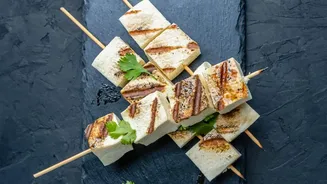
Incorporating sugarcane into your cooking is surprisingly versatile. The most popular methods involve either extracting the juice or using the fibrous stalk itself. For juice, you can peel and chop the cane, then blend it with a little water and strain the liquid. This fresh juice is perfect for beverages like lemonade or as a base for cocktails and mocktails. Another ingenious technique is using lengths of peeled stalk as skewers for grilling. As ingredients like chicken, shrimp, or vegetables cook, the heat draws out the cane’s sweet juice, which bastes the food from the inside out. Pieces of the stalk can also be simmered in broths, sauces, or even rice pilaf to infuse the entire dish with a subtle, aromatic sweetness. For a simple treat, chilled, peeled sticks can be chewed to extract the juice, a common practice in many parts of the world.
Recipes to Get You Started
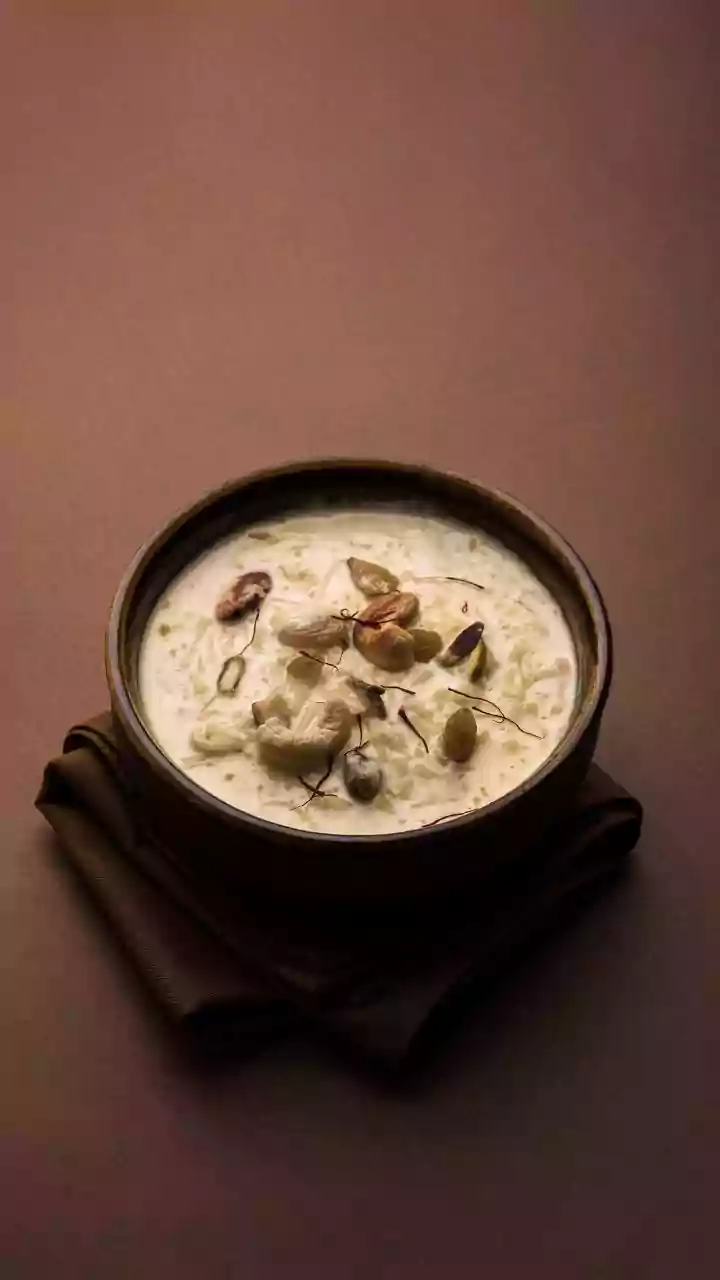
Ready to experiment? For a simple and refreshing drink, blend fresh sugarcane juice with lime, ginger, and mint leaves. In desserts, the juice can replace sugar entirely. Try making a sugarcane kheer, where rice is slow-cooked in cane juice until thick and creamy, absorbing all the natural sweetness and flavour. For a savoury application, create a marinade for grilled meats using sugarcane juice, soy sauce, garlic, and spices. The most iconic dish is perhaps the Vietnamese Chao Tom, where a seasoned shrimp paste is moulded around a sugarcane stick and then fried or grilled. The stick serves as both a cooking implement and a flavour-infusing core. You can even use thin strips of peeled cane in a vegetable stir-fry for a surprising crunch and burst of sweetness.
Finding and Preparing Cane
Fresh sugarcane can be found at many Indian, Southeast Asian, or Latino grocery stores. Look for stalks that feel heavy for their size, a sign that they are full of juice. The outer skin should be firm and free of cracks or discolouration. Preparing the cane requires a bit of effort but is straightforward. You will need a sturdy, sharp knife or cleaver. First, cut the long stalk into more manageable lengths, avoiding the hard, woody joints. Then, stand a piece on its end on a cutting board and carefully slice downwards to remove the tough outer peel, much like you would peel a pineapple. Once peeled, the pale, fibrous interior can be cut into sticks for skewers, chopped for juicing, or cut into bite-sized pieces for chewing.