

The Roasting Route: For Depth and Caramelisation
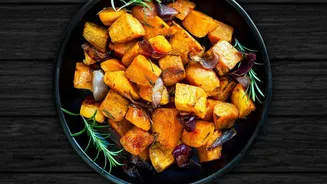
Roasting is a method that uses the dry, high heat of an oven to cook food. When you roast sweet potatoes, something magical happens. The high temperature, typically around 200-220°C, causes the natural sugars in the vegetable to caramelise. This process
creates a deep, rich, and intensely sweet flavour that is hard to achieve with other methods. The result is a wonderfully tender and fluffy interior with a slightly crisp, browned exterior. Roasting is also a largely hands-off process. Once you’ve chopped your sweet potatoes, tossed them with oil and spices like garam masala or turmeric, and spread them on a baking sheet, the oven does all the work. This makes it an excellent choice for when you are preparing other parts of a meal and don't want to be tied to the stove. It's perfect for making a large batch for meal prep, to be used in salads and bowls throughout the week.
The Pan-Cooking Path: For Speed and Control
Pan-cooking, which includes methods like sautéing or pan-frying, offers a different set of advantages, primarily speed and control. If you're short on time, dicing sweet potatoes into small cubes and cooking them in a skillet is significantly faster than waiting for the oven to preheat and roast them. This method typically takes around 15-25 minutes on the stovetop. Cooking in a pan gives you direct control over the texture. By stirring frequently, you can achieve an even browning and decide just how soft or crispy you want the pieces to be. For best results, it's important not to overcrowd the pan, as this can cause the potatoes to steam and become soggy rather than fry. A well-seasoned cast-iron skillet can enhance the browning and texture even further.
Texture and Flavour Showdown
The final texture and flavour are where the two methods really diverge. Roasting yields a duality of textures: a creamy, almost custardy inside with a delightfully chewy and caramelised outside. The flavour becomes concentrated and sweeter. Pan-cooking, on the other hand, results in a firmer texture overall. The pieces tend to be more distinct and can be cooked to a specific level of crispiness, similar to a classic potato hash. The flavour is less intensely sweet than roasted, allowing the savoury spices you add—like cumin seeds, chillies, and curry leaves—to shine through more prominently.
Which Method for Which Indian Dish?
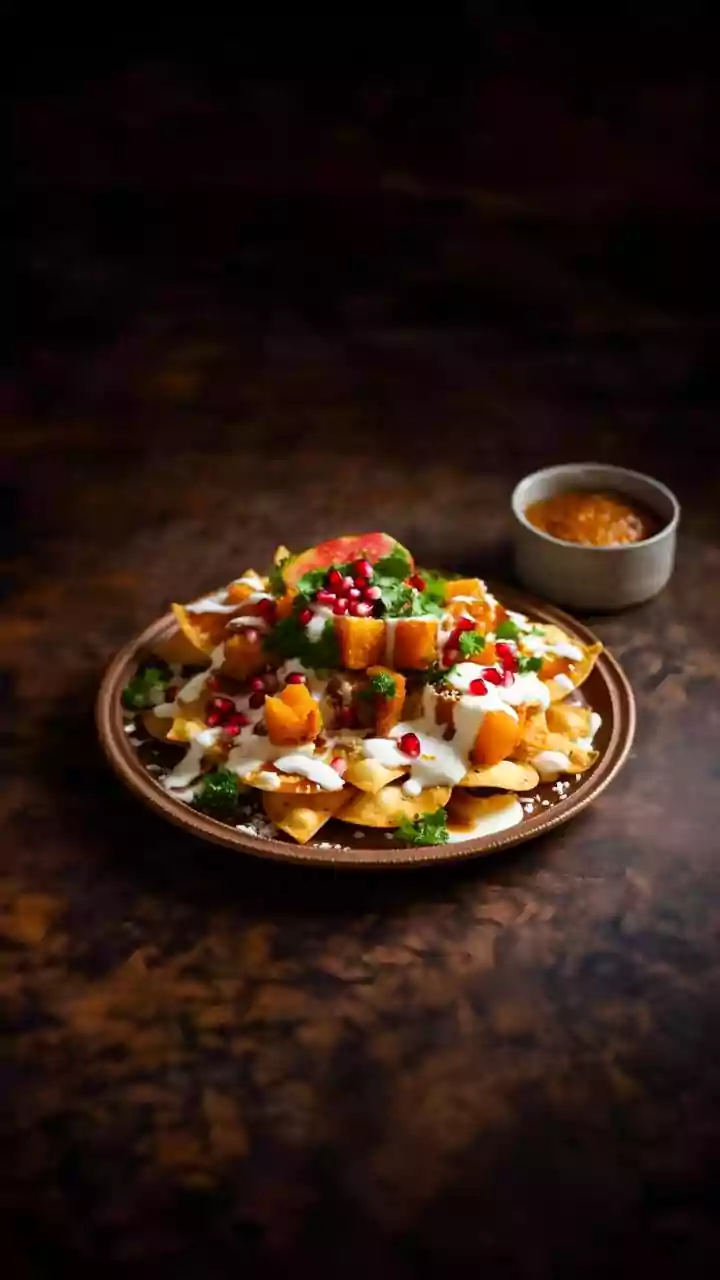
Your choice of cooking method should ultimately be guided by the dish you're making. Choose roasting for: - Sweet Potato Chaat: Roasted cubes provide the perfect soft and sweet base to contrast with the tangy chutneys and crunchy sev. - Hearty Side Dishes: Roasted sweet potatoes, simply seasoned with salt and spices, are a fantastic accompaniment to dal and rice or roasted chicken. - Salads and Bowls: Adding roasted sweet potato cubes to quinoa or chickpea salads adds substance and a sweet depth of flavour. Opt for pan-cooking for: - Quick Sabzis: A simple sweet potato fry, sautéed with onions, ginger, and Indian spices, is a quick and delicious weeknight sabzi that pairs beautifully with rotis. - Tikkis and Cutlets: For recipes like sweet potato tikkis, pan-frying the patties is essential to get that signature crispy golden-brown crust. - Breakfast Hash: A Maharashtrian-inspired hash with pan-fried grated sweet potato, cumin, and peanuts is a flavour-packed way to start the day.