




First, Ensure Your Compost Is 'Finished'
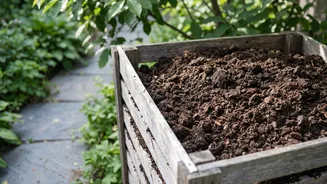
Before you add a single scoop to your pots, you must confirm your compost is fully mature. Finished compost is dark, crumbly, and has a rich, earthy smell like a forest floor. You should not be able to recognize the original food scraps or leaves. If
it smells sour, like ammonia, or like rotten eggs, it's not ready. Using unfinished compost is a critical mistake in containers. As it continues to decompose, it robs nitrogen from the soil that your plants need, can contain compounds that are toxic to roots, and its ongoing decomposition can generate heat, essentially 'cooking' your plant in its own pot. In the small, closed system of a container, these effects are magnified and can quickly prove fatal to your plants.
Why Too Much Compost Is a Problem
Compost is an amendment, not a standalone potting medium. While some experienced gardeners growing heavy-feeding vegetables might use very high ratios, using pure compost is risky. The primary issues are poor structure and nutrient overload. Straight compost tends to be dense and can compact in a pot, leading to poor drainage and waterlogged roots—the leading cause of death for container plants. It can even become hydrophobic if it dries out completely, repelling water instead of absorbing it. Furthermore, compost is rich in nutrients. In excessive amounts, these nutrients, especially nitrogen and salts, can overwhelm a plant, leading to a condition called 'nutrient burn'. This damages the roots and prevents them from absorbing water, causing the plant to show signs of dehydration even in moist soil.
The Golden Ratios for Container Mixes
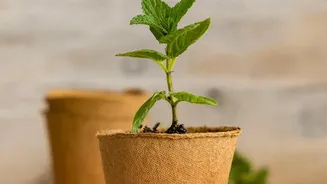
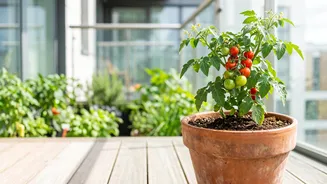
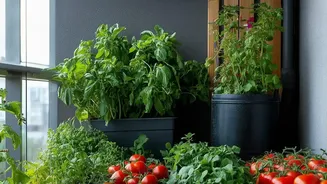
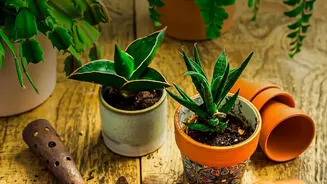
The ideal amount of compost depends on what you're planting. A good rule of thumb is to have compost make up between 10% and 30% of your total potting mix volume. Going above 30-40% dramatically increases the risk of drainage problems. For a general, all-purpose potting mix for flowers and most houseplants like Pothos or Monstera, aim for a ratio of 1 part compost to 3 or 4 parts of a base potting mix. This translates to about 20-25% compost. So, you might combine four scoops of potting soil with one scoop of compost. For heavy-feeding plants like tomatoes or peppers in large containers, you can increase this to a 1:2 ratio, or about 33% compost. Seed-starting mixes require the least amount of compost, as seedlings are very sensitive to high nutrient levels. A mix for seedlings might only be 10-20% compost, or even less.
Creating Your Mix and Spotting Trouble
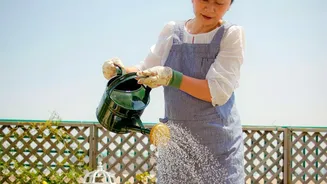
When making your potting mix, combine your compost, potting soil, and any other amendments like perlite or sand in a separate tub or wheelbarrow before filling your pot. This ensures the compost is evenly distributed. Once potted, keep an eye out for signs of trouble. The earliest warning sign of nutrient burn is the browning or yellowing of just the very tips of the leaves. As the problem worsens, the leaf edges may turn yellow and crispy, and leaves might curl downwards. Another sign can be unusually dark, glossy green leaves, which indicates an excess of nitrogen. If you see these signs after using a high ratio of compost, the best remedy is to flush the soil. Water the pot thoroughly, letting a large volume of water run out of the drainage holes to wash away excess salts and nutrients.
Top-Dressing: A Safer Way to Add Nutrients
If you're nervous about mixing compost into your soil or want to feed established plants, top-dressing is an excellent and much safer alternative. This method involves simply spreading a thin layer, about half an inch to an inch, of finished compost over the top of the soil in the pot. When you water the plant, nutrients from the compost will slowly leach down into the root zone. This provides a gentle, slow-release feeding that avoids the risks of compaction and nutrient burn associated with overly rich potting mixes. You can reapply a thin layer every few months during the growing season to keep your plants fed and happy.