





Understanding the Language of Patterns
Before you start shopping, it helps to know what you're looking for. Heritage textiles are rich with meaning and history. In an Indian context, iconic patterns like Paisley (or 'buta'), a symbol of prosperity, offer timeless elegance. Hand-block prints
from Gujarat and Rajasthan, such as Ajrakh with its deep indigos or Bagh with its dramatic red and black motifs, bring earthy authenticity. Other beloved traditions include Ikat, with its distinctive blurred geometric designs, and Kantha, a style of embroidery from Bengal that often uses recycled cloth to create unique, stitched stories. Recognizing these styles will help you curate a collection that speaks to you.
Sourcing Your Treasures
Finding the perfect vintage textile is a treasure hunt. For authentic, one-of-a-kind pieces, flea markets and estate sales can be goldmines. Online marketplaces like Etsy and eBay also host a vast world of vintage fabrics, from European linens to Indian embroideries, connecting you with sellers globally. Many specialized online stores now offer curated collections of antique textiles, whether it's French ticking or Indian grain sacks. If you love the look but prefer something new, many brands offer high-quality reproductions of archive prints and heritage-inspired designs, giving you the vintage aesthetic with modern durability.
Start Small, Think Big
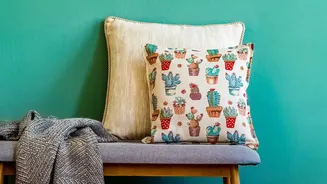
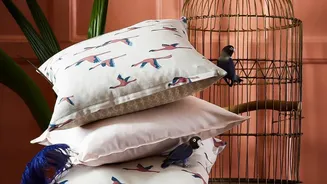
The key to incorporating vintage patterns without overwhelming your space is to start with small, impactful accents. Think of textiles as art. Throw pillows are a classic entry point; a pair of Banarasi brocade or Kalamkari print cushions can instantly elevate a neutral sofa. A vibrant, block-printed table runner can bring life to a dining area, while a lightweight Kantha quilt draped over an armchair adds a touch of cozy craftsmanship. You could even frame a particularly beautiful piece of fabric as a unique piece of wall art. These small touches make a big statement and allow you to experiment with confidence.
The Art of the Mix
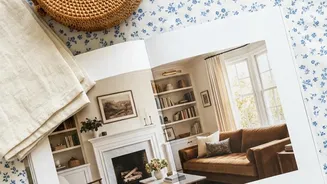
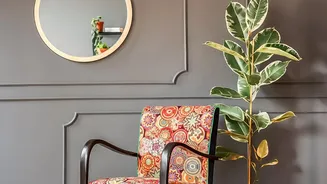
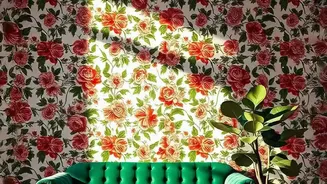
Mixing patterns is what gives a room its sophisticated, layered look. The trick is to create harmony, not chaos. A simple rule is to stick to a cohesive color palette; choose two or three main colors and ensure they appear in each pattern you use. Another key is to vary the scale of the prints. Pair a large-scale floral, your 'hero' print, with a medium-scale geometric and a small-scale stripe. This creates visual interest without the patterns competing. Finally, balance busy prints with solid colors. Use neutral furniture or walls as a calm backdrop, giving your patterned textiles space to shine and tell their story.
Caring for Your Textiles
Vintage and handcrafted textiles require a bit more care than mass-produced fabrics, but their longevity is a testament to their quality. For most cotton and linen block prints, a gentle, cold-water hand wash is best to preserve the natural dyes. Silks, brocades, and heavily embroidered pieces, especially authentic antiques, should be professionally dry-cleaned. Always check for colorfastness on a small, inconspicuous area before washing. When storing, keep them out of direct sunlight to prevent fading. With the right care, these fabrics are not just decorative items but heirlooms that can be passed down through generations.