



The New Sunday Rule Explained
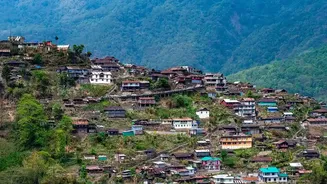
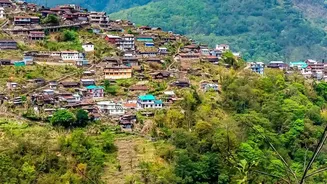
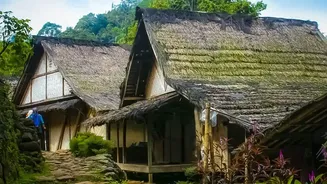
Since January 2026, the village of Mawlynnong is no longer open to day-trippers on Sundays. The decision, made by the traditional village council known as the Dorbar Shnong, means that tourists arriving for a one-day visit will be politely turned away
at the entrance. All tourist-facing services, including restaurants, local shops, souvenir stalls, and even public toilets, remain closed on this day. The rule, however, makes an important exception: travellers who are staying overnight in one of the village's homestays or guesthouses are permitted. This includes guests who check in on Saturday and stay through Sunday, as well as those who book accommodation and arrive on a Sunday for an overnight stay. For these visitors, hospitality is managed directly by their hosts.
Preserving Peace and Piety
The primary reason behind the Sunday closure is the community's desire to reclaim a day for faith, family, and rest. Mawlynnong is a predominantly Christian village, and Sunday is traditionally reserved for church services and community gatherings. For years, the rising tide of tourism began to disrupt this weekly rhythm. Villagers found their day of worship and relaxation increasingly consumed by the demands of managing large crowds, traffic, and commercial activities. The Dorbar Shnong stated that the move was necessary to allow residents to attend church services without interruption and to prevent a situation where visitors received subpar hospitality because most locals were unavailable. It's a deliberate choice to prioritise community well-being over continuous tourist revenue.
A Push for Sustainable Tourism
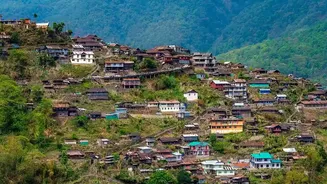
Beyond religious observance, the decision reflects a growing concern about the impacts of overtourism on the fragile village. With a population of just over 100 families, the community was struggling to cope with the sheer volume of visitors, which could reach up to 1,500 people on a busy weekend. This influx put a strain on local resources and challenged the very cleanliness and discipline that made Mawlynnong famous. By closing to day-trippers one day a week, the village is sending a powerful message about sustainable tourism. The goal is not to discourage visitors but to encourage a more respectful and mindful form of travel that honours the local way of life. This initiative is seen as a way to ensure the village's unique character endures for the long term.
How to Plan Your Mawlynnong Visit Now
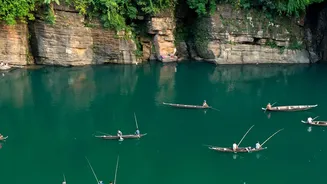
If you're planning a trip to this iconic village, a little extra planning is now required. Day trips are still perfectly fine from Monday to Saturday, which remain the ideal days for casual visitors. For those who wish to experience the village on a Sunday, the only option is to book an overnight stay in a local homestay. This should be done well in advance, as accommodation is limited. An overnight stay offers a deeper, more immersive experience, allowing you to witness the quiet rhythm of village life away from the daytime crowds. Many popular itineraries combine a trip to Mawlynnong with the nearby town of Dawki and the Living Root Bridges in Riwai, so be sure to schedule your visit to Mawlynnong on a weekday or plan for an overnight booking if a weekend trip is unavoidable.
The Local Impact
The Sunday closure has had a mixed but generally accepted impact on the local economy. For homestay owners, the rule is a boon, encouraging longer, more valuable bookings. It incentivises a shift from high-volume, low-impact day-tripping to lower-volume, higher-value overnight tourism. For businesses like small cafes and souvenir stalls that rely on a constant flow of visitors, losing the lucrative Sunday crowd has meant a financial adjustment. However, many residents and business owners support the decision, viewing it as a necessary step to prevent burnout and maintain the quality of life that defines their community. The consensus is that preserving the village's soul is more important than maximising every last rupee from tourism.