

The Ambitious Cadence
The Indian Space Research Organisation (ISRO) is moving towards a new era, transitioning from a celebrated research organisation to the anchor of a bustling space economy. A key part of this vision is a significant increase in launch frequency, with ambitions
pointing towards an eventual rate of one launch per month, or 12 or more per year. This represents a major leap from its past cadence, which has been building but has not yet reached this level of consistency. While ISRO has announced plans for seven missions before the end of the financial year in March 2026, the long-term goal of 50 launches in five years underscores the seriousness of this ambition. Achieving this high tempo is crucial for capturing a larger share of the global commercial launch market, deploying national assets faster, and supporting a burgeoning ecosystem of private space startups.
The Sriharikota Squeeze
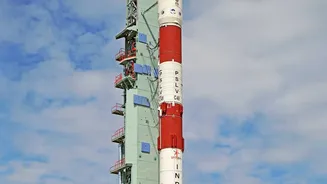
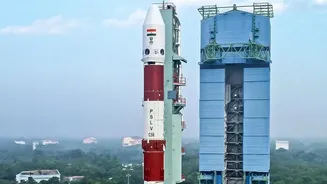
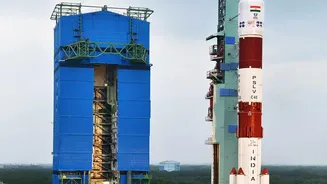
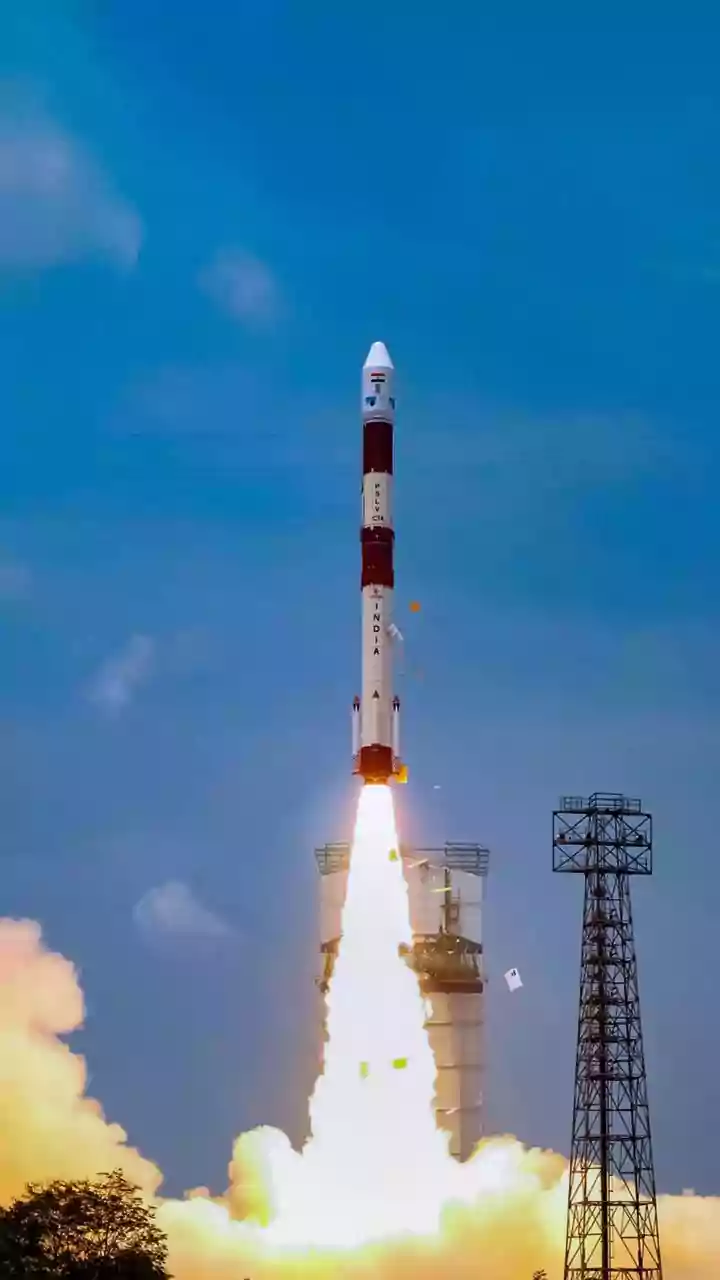
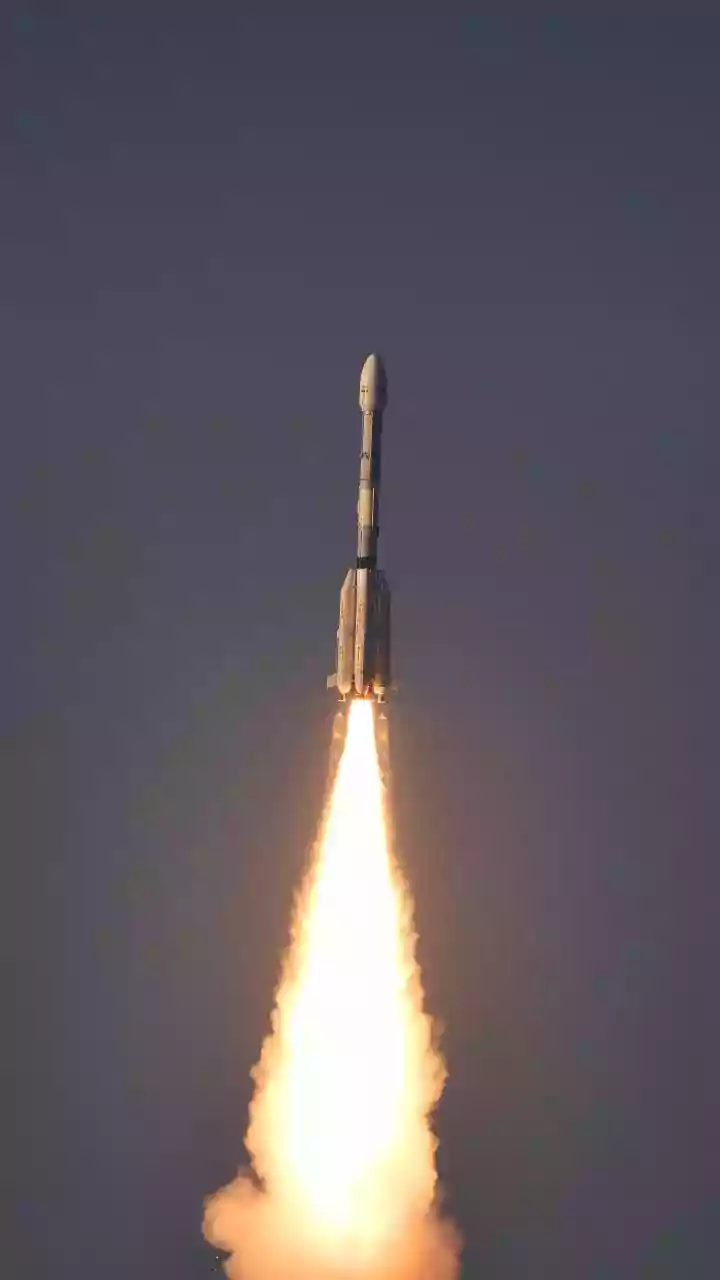
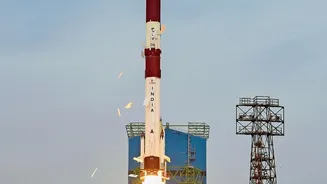
India's primary gateway to space, the Satish Dhawan Space Centre (SDSC) in Sriharikota, is the first and most critical bottleneck. Currently, the spaceport has two main operational launch pads, which handle the PSLV, GSLV, and LVM3 rockets. Each launch requires a significant turnaround time for pad refurbishment, vehicle integration, and testing. Pushing for a monthly cadence would strain these facilities to their absolute limit. Recognizing this, the government has approved the construction of a third launch pad at Sriharikota specifically designed for the next-generation launch vehicle (NGLV) and to serve as a backup, a project expected to take four years. This new infrastructure is vital for increasing launch capacity and ensuring redundancy, which is critical for both commercial commitments and strategic missions like the Gaganyaan human spaceflight programme.
A Strained Supply Chain
Beyond the launch pad, an even more complex challenge lies in the industrial supply chain. For decades, ISRO relied on a handful of public sector units and large private firms. Ramping up to a monthly launch requires a much wider, more agile, and responsive industrial base. The Indian space ecosystem is heavily dependent on imports for critical components like space-grade carbon fibre, radiation-hardened semiconductors, and key minerals. These dependencies create vulnerabilities to geopolitical disruptions and can cause significant project delays. A 2021 incident involving delays in importing high-performance solar cells, which impacted a satellite's readiness, highlights this very risk. To meet a high launch tempo, India must accelerate the indigenisation of these critical materials and components, a challenge that private industry is beginning to tackle with encouragement from government policy.
Building Capacity for the Future
India is not standing still in the face of these challenges. To alleviate the pressure on Sriharikota, a second spaceport is being constructed at Kulasekarapattinam in Tamil Nadu. Targeted for commissioning in the 2026-27 financial year, this site is optimised for launching Small Satellite Launch Vehicles (SSLVs) into polar orbits, as its location allows for a direct southward trajectory without burning extra fuel to manoeuvre around Sri Lanka. This will not only make small satellite launches more efficient and cost-effective but will also free up Sriharikota's pads for heavier missions. Furthermore, the government has established IN-SPACe (Indian National Space Promotion and Authorisation Centre) to act as a single-window agency facilitating private sector participation, enabling access to ISRO facilities, and driving technology transfer, thereby nurturing the very supply chain that the future of Indian spaceflight depends on.