




The Problem of Unchecked Thrills
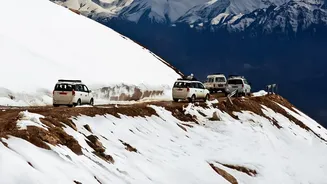
For years, the allure of Ladakh has been amplified by images of SUVs and motorcycles conquering its high-altitude deserts and splashing through pristine riverbeds. This unchecked off-roading, however, has come at a great cost. The high-altitude ecosystems
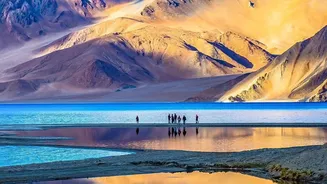
of Ladakh are exceptionally vulnerable; tire tracks can scar the landscape for decades, damaging fragile vegetation, compacting soil, and disrupting the habitats of rare wildlife. In recent months, authorities have been forced to take strict action, imposing hefty fines on tourists caught driving into sensitive areas like Pangong Lake or chasing endangered species like the Tibetan Gazelle. These incidents, often publicised on social media, highlighted a growing trend of irresponsible tourism that threatened the very essence of Ladakh's natural heritage. The consensus was clear: the 'Wild West' approach to tourism had to end.
A New Blueprint for Eco-Tourism
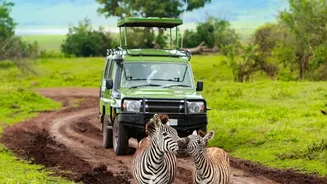
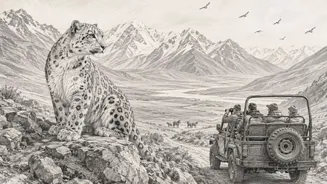
In a decisive move to counter this damage, Ladakh's administration, under Lieutenant Governor Vinai Kumar Saxena, has approved a new initiative: India's first high-altitude wildlife safari. The plan, formulated by the newly created Snow Leopard and High-Altitude Nature (SHAN) Conservation Society, is designed to replace reckless off-roading with regulated, guided experiences. The model is based on successful jeep safaris in national parks like Ranthambore and Kaziranga. Instead of allowing private vehicles to roam freely in protected zones, specially designed open-back safari vehicles will be operated by trained local drivers and guides. This structured approach aims to minimise wildlife disturbance, prevent habitat degradation, and enhance the visitor experience by providing expert-led tours.
Protecting Ladakh's Crown Jewels
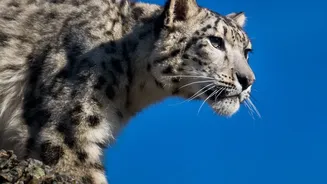
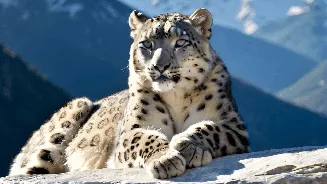
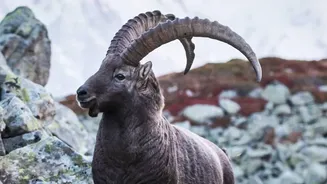
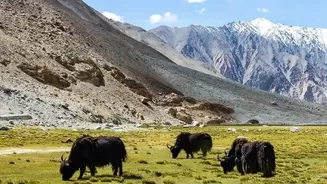
The safari plan places a strong emphasis on protecting the region's unique biodiversity. Ladakh is a critical global habitat, home to India's largest population of snow leopards, with an estimated 477 of the country's 718 individuals residing there. The region also supports over 38 mammal species and 340 bird species. The new safari routes are being specifically designed around key wildlife corridors in Hemis National Park, the Changthang and Karakoram wildlife sanctuaries, and other areas known for snow leopard and bird sightings like Nubra and Zanskar. By channelling tourist activity along designated paths, the administration hopes to safeguard the breeding grounds and movement patterns of these animals, ensuring their long-term survival.
What This Means for Tourists
For travellers, this marks a significant shift. The freedom to drive one's own vehicle anywhere off-road in protected areas is being replaced by a more formal, structured safari system. While this may seem restrictive to some, the goal is to provide a richer, more educational experience. Tourists will now have the opportunity to explore with knowledgeable local guides who can offer insights into the ecosystem and increase the chances of spotting elusive wildlife. The plan also involves training local youth as birdwatching experts and establishing birdwatching hides at key hotspots. This not only improves the tourist experience but also creates sustainable livelihood opportunities for local communities, making them direct partners in conservation.
Building a Sustainable Future
The wildlife safari is part of a larger vision for a sustainable Ladakh. The SHAN Conservation Society's mandate extends to a range of community-focused conservation efforts. These include installing hundreds of waste bins in villages, launching plastic-free tourism campaigns, and establishing wildlife-themed souvenir shops where local women artisans will be trained to sell their crafts. Furthermore, wildlife clubs will be set up in schools to educate the next generation, and annual photography fellowships will be offered to local youth. This holistic model aims to create a circular economy where tourism revenue directly supports conservation and empowers local residents, ensuring that Ladakh’s natural treasures are preserved for generations to come.