






The Festival Feast Economy
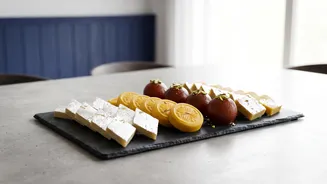
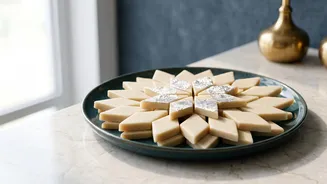
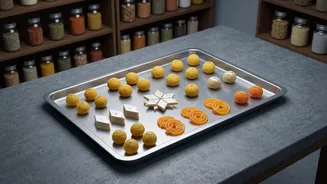
To understand the crackdown, you first have to understand the demand. Festivals like Diwali, Navratri, and Holi trigger a massive, country-wide surge in the consumption of sweets, known as 'mithai'. Many of these traditional delicacies are built on a foundation
of milk-based products: ghee (clarified butter), paneer (a firm, non-melting cheese), and khoya (milk solids). Families buy them in large quantities for personal consumption, and also as gifts. This sudden, exponential increase in demand places enormous pressure on the entire supply chain, from rural dairy farmers to urban sweet shops. Producing these ingredients is time- and resource-intensive; for instance, it takes several liters of milk to produce just one kilogram of khoya. During the festive rush, there’s simply not enough legitimate supply to go around.
An Opportunity for Adulteration
Where legitimate supply falls short, a shadowy market emerges to fill the gap. The huge demand and high prices for dairy products create a powerful economic incentive for unscrupulous producers to cut corners. This is the core reason for the annual rise in food adulteration. Instead of pure milk solids, producers will bulk up their products with cheap fillers. It’s a classic case of illicit economics: maximize profit by substituting expensive ingredients with inexpensive, and often dangerous, alternatives. This isn't a new problem; it's a deeply entrenched, recurring issue that authorities anticipate every year.
What's Really in the Food?
The list of common adulterants is long and alarming. Khoya and paneer are frequently bulked up with starch, flour, and mashed potatoes. Ghee, a staple of Indian cooking, is often mixed with cheaper vanaspati (hydrogenated vegetable oil) or palm oil. More dangerously, some producers use industrial substances. Recent seizures have found paneer containing detergent, and milk diluted with water and contaminated with urea to increase volume and mimic protein content. To improve the appearance of sweets, some use non-permitted industrial dyes or even a chemical called sodium hydrosulfite to give products a whiter look. The shiny silver foil, or 'varkh', used to decorate sweets is sometimes replaced with hazardous aluminum foil. These substances can cause anything from food poisoning to long-term organ damage.
The Annual Crackdown
In response to this predictable threat, food safety authorities, led by the Food Safety and Standards Authority of India (FSSAI), launch an annual pre-festival blitz. In the weeks leading up to major festivals, officials direct states to intensify inspections, conduct raids on production hubs, and collect samples from markets for testing. These drives are highly publicized, with news reports often showing officials destroying thousands of kilograms of seized goods. In September 2026 alone, authorities in Delhi destroyed over 4,100 kg of suspect khoya and paneer, while teams in other regions seized tens of thousands of kilograms more. The FSSAI also deploys mobile testing vans, called “Food Safety on Wheels,” to markets to conduct on-the-spot tests and raise consumer awareness. This annual cat-and-mouse game has become as much a part of the festival season as the celebrations themselves.