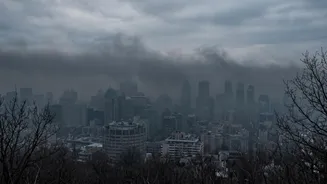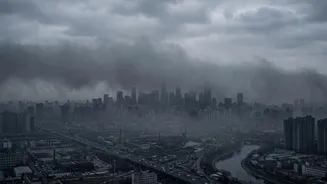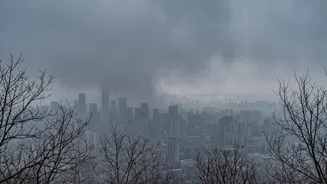







As November's haze settles over Delhi, that familiar scratchy throat and eye irritation return. It's a common misconception that only the vulnerable are at risk. In reality, even healthy adults are feeling the strain. Here's why.
What Exactly Are We Breathing?
Delhi's notorious November
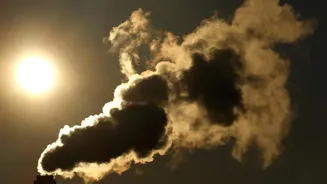
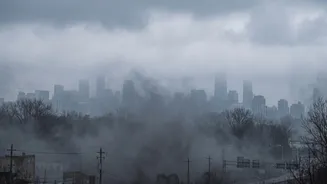
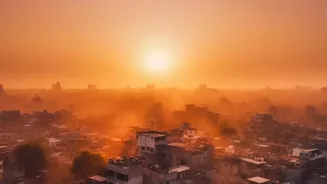
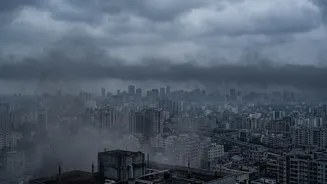
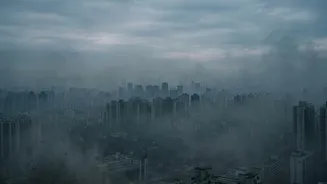
smog is a toxic cocktail of pollutants. The most dangerous among these are fine particulate matter known as PM2.5—particles so tiny they are less than 2.5 micrometres in diameter. As of early November 2026, Delhi's Air Quality Index (AQI) has consistently been in the 'Very Poor' category, with average readings over 300. This spike is driven by a combination of factors: smoke from post-harvest stubble burning in neighbouring states, vehicular and industrial emissions, and construction dust. Cooler temperatures and low wind speeds in winter trap these pollutants close to the ground, preventing them from dispersing and creating the dense, grey haze that blankets the city. This means residents are continuously inhaling a mix that includes PM2.5, PM10, nitrogen dioxide, sulphur dioxide, and carbon monoxide.
How Your Body's Defences Are Overwhelmed
Your respiratory system has natural defences. The nose and throat are designed to filter out larger particles. However, PM2.5 is a different beast. These fine particles are small enough to bypass these defences and penetrate deep into the lungs, settling in the alveoli (tiny air sacs) where oxygen enters the blood. Once there, the body's immune system identifies these foreign particles as a threat and launches an inflammatory response. This inflammation is the root cause of the immediate irritation you feel. It’s not a sign of a weak immune system; rather, it's a healthy immune system reacting aggressively to a toxic assault. When pollution levels are persistently high, this inflammatory response becomes chronic, putting constant stress on the respiratory system.
Why Even Healthy People Feel It
The reason even fit and healthy adults experience discomfort is because no amount of general wellness can make lungs immune to the physical invasion of microscopic pollutants. Doctors in Delhi have reported a surge in complaints from young and otherwise healthy individuals aged 20 to 50, who are experiencing symptoms typically associated with chronic respiratory patients. The irritation is a direct physiological reaction. The lining of your airways becomes inflamed, leading to a persistent, dry cough or a scratchy throat. Similarly, pollutants like sulphur dioxide and nitrogen dioxide directly irritate the mucous membranes of the eyes, disrupting the natural tear film that protects the surface, which causes that burning, watery, or gritty sensation.
Beyond a Cough and Itchy Eyes
The impact isn't limited to the throat and eyes. The inflammatory response triggered by PM2.5 is not just localised to the lungs. Because these particles can enter the bloodstream, they can cause systemic inflammation throughout the body. This can manifest in ways that might not seem obviously linked to air quality. Symptoms like unusual fatigue, recurring headaches, and even skin irritation or rashes can be signs that your body is working overtime to deal with the toxic load. For many, the first signs are a persistent cough that lasts for weeks, breathlessness during simple activities like climbing stairs, and a general feeling of reduced stamina.
Recognising the Warning Signs
During periods of high pollution, it's crucial to listen to your body. Common symptoms reported by otherwise healthy individuals include a persistent dry cough, a scratchy or sore throat, burning or watering eyes, wheezing or tightness in the chest, and shortness of breath. Headaches and fatigue are also common signs of the body struggling with poor air quality. These symptoms can appear within just a few hours of exposure to 'Very Poor' or 'Severe' air. While these are often shortterm effects, repeated and prolonged exposure can lead to longterm health consequences, including a weakened immune system and increased susceptibility to respiratory infections.