







An Epidemic of Cancellations
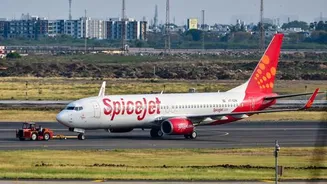
For travellers booked on SpiceJet, uncertainty has become part of the journey. In recent weeks, the airline has cancelled a significant portion of its daily flights, sometimes with little to no notice. On one day in mid-November 2026, over 70% of its scheduled
services at major airports like Delhi, Mumbai, and Bengaluru were grounded. This has left thousands of passengers in the lurch, struggling with last-minute scrambles for alternative tickets and frustrating refund processes. The government's AirSewa portal has been flooded with complaints, receiving over 7,600 grievances against the airline as of November 19, highlighting the scale of passenger distress. The on-time performance of the airline has plummeted, with one report in September noting a cancellation rate nearly 18 times the industry average.
The Root of the Problem: A Deepening Financial Crisis
The operational chaos stems directly from SpiceJet's severe financial strain. The airline is struggling to pay its bills, including dues to aircraft lessors, airport operators, fuel companies, and maintenance vendors. This cash crunch has led to a significant portion of its fleet being grounded. Several vendors have put the airline on a 'cash-and-carry' basis, meaning SpiceJet must pay for services upfront for each flight, a sign of deep financial distress. The situation has become so dire that reports indicate employee salaries have been delayed for months and the airline's operational fleet has shrunk to fewer than 10 aircraft, down from over 90 before the pandemic.
Regulators Take Notice
The widespread disruptions have not gone unnoticed. The Directorate General of Civil Aviation (DGCA) issued a show-cause notice to SpiceJet on November 17, demanding an explanation for its deteriorating performance. The regulator flagged numerous issues, including the large number of grounded aircraft without a credible plan for their return to service, failure to operate approved schedules, and persistent passenger inconvenience. The notice also mentioned unpaid penalties and concerns raised by overseas aviation authorities about disruptions linked to delayed payments. SpiceJet was given seven days to respond or face potential regulatory action.
A Familiar Turbulence and an Uncertain Future
This is not the first time SpiceJet has flown through financial turbulence. The airline has faced similar crises in the past, including in 2014, navigating legacy liabilities and funding delays. However, the current situation appears particularly grave, with its domestic market share dropping to just 0.6% in October 2026. In an effort to shore up its finances, SpiceJet's board has approved a proposal to raise up to ₹5,500 crore. Yet, questions remain about how quickly this funding can be secured and whether it will be enough to address the airline's deep-seated operational and financial problems. For now, the future of the airline and the travel plans of its customers hang in the balance, dependent on a much-needed infusion of capital and a clear path back to operational stability.