





A Riot of Colour at 10,600 Feet
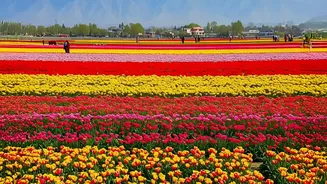
Imagine vast fields of red, pink, yellow, and orange flowers slicing through a landscape famed for its stark, brown-and-grey beauty. This is the scene at twin sites in Choglamsar and Stakna near Leh, where a government-led project has turned 40 acres
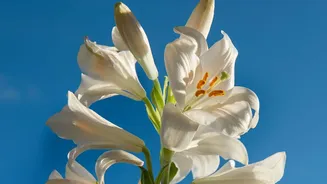
of arid land into the world's highest-altitude large-scale flower fields. Inaugurated in September 2026, the display features approximately 24 lakh (2.4 million) liliums and one lakh gladiolus plants, creating a breathtaking contrast with the towering, snow-dusted peaks that frame the horizon. The initiative has captured the imagination of locals and is quickly becoming a new point of pride and a potential tourist magnet.
From Barren Land to Blooming Business
This floral spectacle is more than just a pretty sight; it is a calculated and ambitious experiment in economic diversification. The project, implemented by the Ladakh administration with technical support from the CSIR-Institute of Himalayan Bioresource Technology, aims to establish commercial floriculture as a viable source of income for the region's farmers. The climate of Ladakh, often seen as a challenge, is actually a strength for lilium cultivation, as the bulbs thrive in cold conditions. Lieutenant Governor V. K. Saxena has championed the vision of transforming Ladakh into a high-altitude floriculture hub, creating sustainable livelihoods for local communities.
A Harvest of Hope for Local Communities
The economic implications are already taking shape. In late September 2026, the first commercial consignment of 15,000 'A-grade' lilium stems was flagged off from Leh airport, destined for markets in Delhi, Mumbai, and Chandigarh. These high-quality flowers, known for their long shelf life, can fetch premium prices, offering a lucrative alternative to traditional farming. The project is creating direct employment, particularly for local women who are engaged in harvesting and packaging, earning a daily wage of around ₹900. The entire operation, from cultivation to marketing by a local botanist, is geared towards empowering self-help groups and local cooperatives.
The Future is Floral
The rapid success of the pilot project—with the Choglamsar field developed and blooming in just two months—has spurred plans for expansion. The administration intends to replicate the model across other districts like Kargil, Drass, and Zanskar, with a goal of bringing at least 200 acres under high-value flower cultivation by the next year. This initiative not only adds a new attraction for tourists, who can visit the fields for a nominal fee, but also fundamentally reshapes Ladakh's agricultural and visual landscape. It stands as a powerful symbol of resilience, proving that vibrant beauty and new opportunities can blossom even in the most challenging of environments.